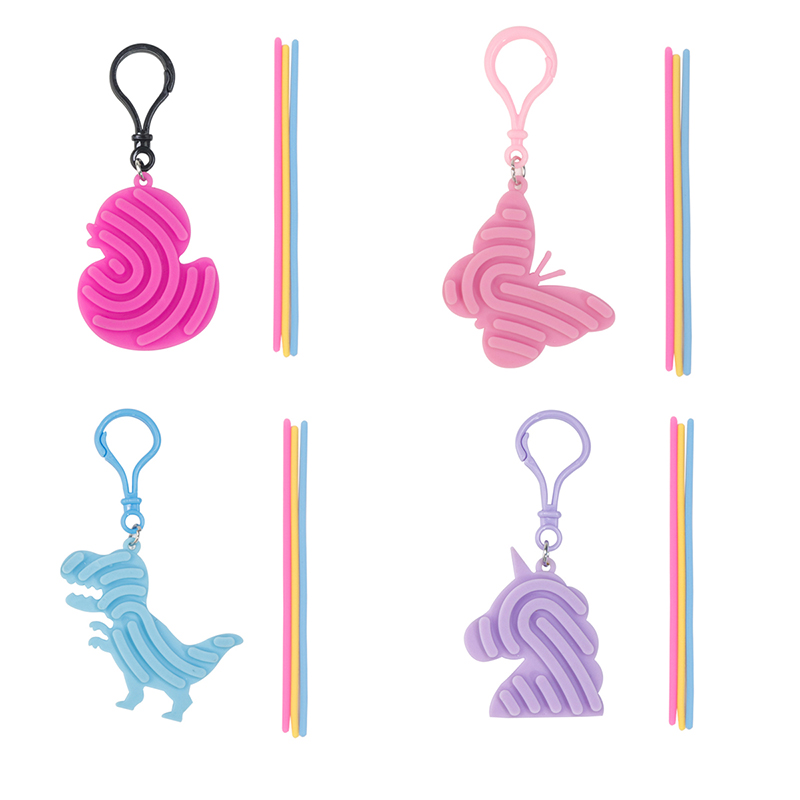
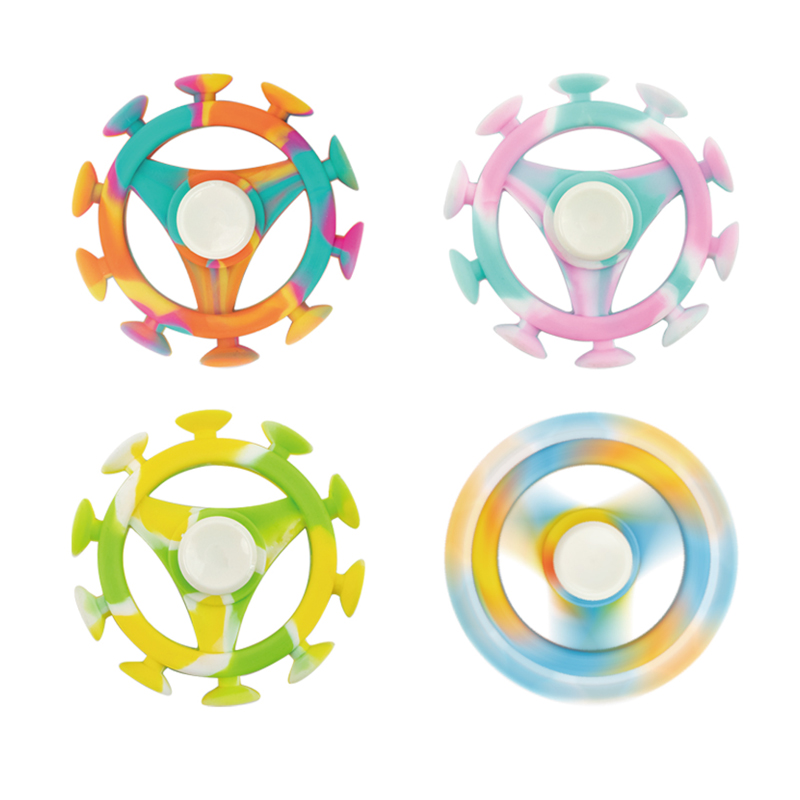
Spend a few hours inside a Silicone product Factory, and you start to appreciate just how much precision goes into materials that are designed, ironically, to be squeezed, stretched, and sat on.
The production process starts well before anything gets molded. Raw silicone arrives either as high-consistency rubber in solid block form or as liquid silicone rubber in sealed drums, and the choice between the two largely determines which molding process the factory runs. High-consistency rubber typically goes through compression or transfer molding — processes that use heat and mechanical pressure to push the compound into a steel mold cavity. Liquid silicone rubber, on the other hand, is injected under pressure through a closed system directly into temperature-controlled molds, which allows for tighter tolerances and faster cycle times. Factories that can handle both formats have a real operational advantage, since different customers have genuinely different requirements, and switching between processes isn't something you can improvise.
Tooling is where a lot of the cost and complexity lives. Molds for silicone parts are typically machined from hardened steel, and the engineering decisions made at the tooling stage — gate location, venting design, parting line placement — have a direct impact on part quality once production starts. A poorly vented mold traps air and produces surface defects. A badly placed gate creates weld lines that weaken the finished part. Getting the tooling right requires engineers who understand how silicone flows under specific temperature and pressure conditions, which is a more specialized skill set than general mold design.
Process control on the production floor separates factories that hit their quality targets consistently from those that spend too much time sorting defects. Silicone is sensitive to temperature fluctuations during curing, and even small deviations in oven settings or compound mixing ratios can shift the final product's hardness or dimensional stability. Factories that run well tend to have calibrated equipment, documented process parameters, and operators who know what out-of-spec output looks like before it reaches the inspection table. That last part — experienced human judgment — is something no amount of automation has fully replaced in silicone manufacturing.
Post-molding finishing adds another layer of labor intensity. Flash removal, the trimming of thin excess material that squeezes out between mold halves during pressing, is still largely a manual operation in facilities. For high-volume consumer products, this step alone can account for a significant share of total labor cost. Some factories have introduced automated deflashing systems for simpler geometries, but irregular shapes and soft durometer parts still require hands-on trimming. Secondary processes — silk screen printing, spray coating, assembly of multi-component parts — extend the production chain further and introduce additional checkpoints where variation needs to be controlled.
Custom development work has grown steadily as a share of total output for many silicone product factories. Brands that once sourced standard catalog items are now coming in with performance specifications and asking factories to help engineer the part around them. That shift has pushed factories to develop closer working relationships with customers earlier in the design process — prototype iterations, material selection discussions, tolerance reviews — rather than simply quoting against a finished drawing. The factories handling that kind of collaborative development work are operating more like manufacturing partners than contract suppliers, which changes the nature of the relationship considerably.

 EN
EN English
 日本語
日本語 Español