What IP Licensing Means in the Silicone Industry
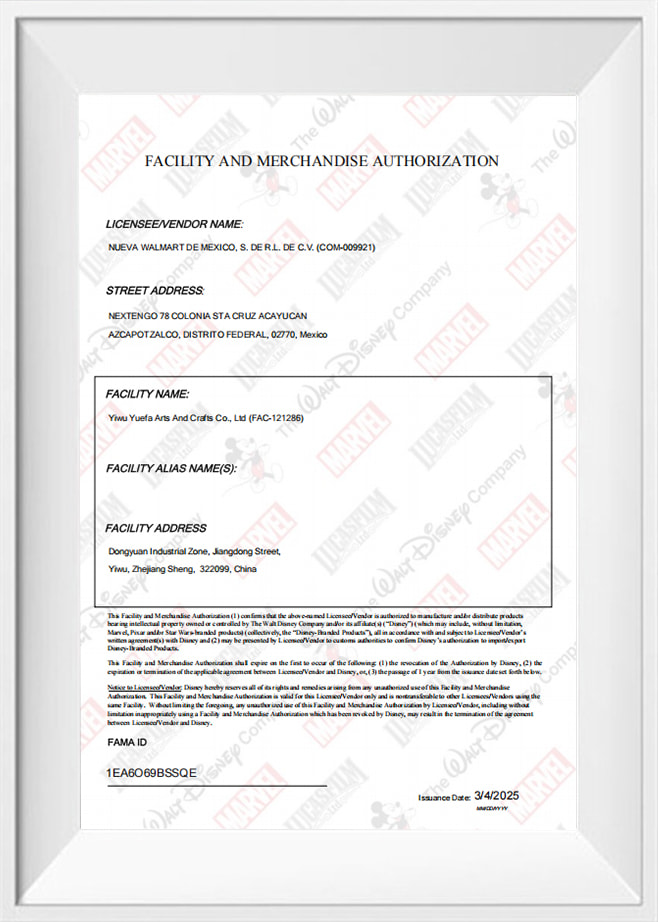
IP licensing is a structured commercial arrangement. The owner of an original creative asset (such as a character design, artwork style, motif, narrative theme, or symbolic element) grants permission to a manufacturer to incorporate that asset into specific product categories under clearly defined terms.
In consumer merchandise, this mechanism allows familiar visual or thematic content to appear in everyday usable objects rather than remaining limited to digital or printed formats.
Silicone stands out as a strong material choice for licensed goods due to the following properties:
- Superior flexibility across a wide temperature range
- Outstanding resistance to repeated mechanical stress and impact
- Safe, non-irritating contact with skin
- Ability to accept vibrant, stable pigmentation
- Capacity for both soft and firmer durometer grades within one production run
- Good resistance to moisture, oils, and everyday cleaning agents
Typical licensed silicone product categories include:
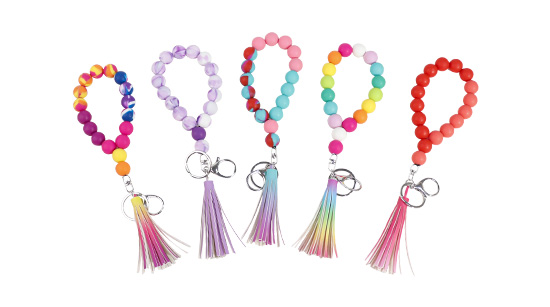
- Attachment points (key fobs, bag tags, zipper pulls)
- Device protection and grip accessories
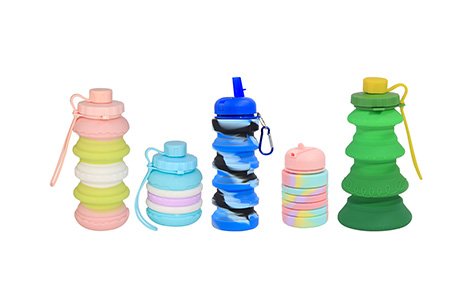
- Beverage container sleeves, lids, and handles
- Small decorative and display pieces
- Compact collectible figures and charms
This combination creates a focused manufacturing niche that requires careful coordination between creative reference material, material science, tooling accuracy, and consistent volume output.
Primary Factors Driving Market Preference
Licensed silicone items gain traction because they blend emotional appeal with practical benefits.
Compared with rigid or display-only merchandise, silicone versions offer clear advantages:
- Natural fit into daily carry and use
- Comfortable, non-slip hand-feel
- High tolerance for drops and rough handling
- Lightweight construction that does not feel cheap
- Easy cleaning and long appearance retention
These traits encourage repeat purchases and word-of-mouth recommendation.
Factories adapt their workflow to meet these expectations through:
- Regular dialogue with rights holders and design studios
- Detailed conversion of flat artwork into moldable 3D forms
- Repeated review of scale accuracy, raised/ recessed detail depth, texture contrast, and color separation
- Long-term wear and handling tests on prototypes
Licensing also enables broader assortments under one theme:
- Office and study accessories
- Home and kitchen utilities
- Travel and lifestyle add-ons
- Small playful or novelty objects
Coordinated lines help distributors present stronger collections and improve inventory turnover.
Positioning in Cultural and Collector Segments
A significant portion of licensed silicone production targets enthusiast and collector channels.
Silicone performs well here because it delivers:
- Sharp reproduction of fine contour lines and undercuts
- Drop and impact resistance
- Reduce risk of fracture during shipping or long-term storage
- Stable appearance after months or years of display
For communities centered on character-driven stories, visual art, and franchise content, silicone provides practical benefits:
- Compact size supports affordable retail pricing
- Manageable batch quantities allow controlled scarcity releases
- Repeatable quality aligns with wholesale purchasing expectations
Manufacturing requirements in this segment include:
- Tight control over multi-stage color pouring or spraying
- Preservation of small raised details and engraved elements
- Consistent surface smoothness and absence of visible parting lines
- Uniform tactile response across an entire production lot
Production Equipment and Workflow Patterns
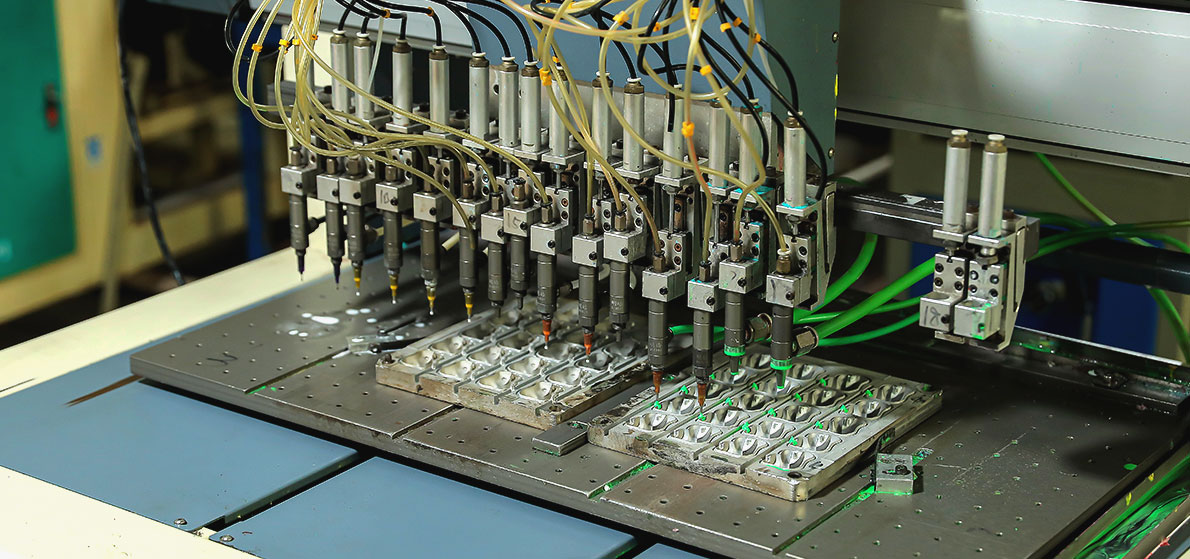
Contemporary silicone facilities rely on a mix of specialized machinery and skilled oversight.
Frequently used equipment categories:
- Precision dosing and mixing units for base and catalyst
- Compression molding presses with accurate temperature zoning
- Liquid silicone rubber (LSR) injection machines
- Automated part ejection and handling fixtures
- Dedicated deflashing, tumbling, and washing stations
These systems support:
- Tight dimensional tolerances across thousands of pieces
- Lower scrap rates in high-cavitation molds
- Predictable cycle times for planning large orders
Inspection relies on a combination of tools and trained judgment:
- Profile projectors and optical comparators
- Handheld and bench durometers
- Color matching cabinets and spectrophotometers
- Magnifying stations for surface and detail review
- Custom go/no-go gauges for critical dimensions
Technicians remain responsible for:
- Initial mold setup and ongoing adjustment
- Small-batch color trials and final shade approval
- Tuning of pressure, temperature, and cure profiles
- Release of first-article and periodic in-process samples
Standard Production Sequence
| Stage |
Key Activities |
Goals |
| Design & Engineering |
Convert 2D reference to 3D CAD model Analyze wall thickness, flow, draft, undercuts Simulate shrinkage and detail retention |
Ensure moldability and faithful reproduction |
| Mold Engineering & Build |
Design single- or multi-cavity layout Select steel or aluminum based on volume Incorporate color-change or insert features Polish cavities to required finish level |
Achieve repeatable shape, texture, and parting-line quality |
| Material Prep & Molding |
Weigh and mix compound precisely Load molds with correct shot size Control press temperature and clamp force Monitor full cure cycle |
Deliver consistent hardness, color, and strength |
| Finishing & Quality Verification |
Remove flash and sprues Clean residual mold release Conduct visual check + sampling measurement Perform hardness, color, and tactile evaluation |
Guarantee appearance, feel, and function meet specification |
| Packaging & Preparation |
Apply protective wrapping if needed Insert into client-specified packaging Label lots for traceability Stage for shipment |
Protect product integrity through distribution |
Benefits of Direct Factory Cooperation
Experienced purchasers increasingly favor direct relationships with production sites.
Core advantages include:
- Immediate access to current capacity and lead-time data
- Streamlined approval cycles for artwork revisions
- Reduced miscommunication on quantities and delivery windows
- Easier implementation of minor customizations (color shifts, added markings, packaging format)
- Clear documentation of tooling status and maintenance
Transparent management of these elements fosters longer-term collaboration:
- Ownership and depreciation of molds
- Prototype submission and sign-off procedure
- Production planning and priority rules
- Batch records and material certification
Silicone’s Role in Broader Markets
Silicone maintains steady growth across several industries:
- Sealing solutions for buildings and infrastructure
- Flexible components in transportation equipment
- Biocompatible parts for healthcare applications
- Heat-resistant and food-contact-safe consumer articles
Licensed consumer items leverage the same advancements in compound stability, molding precision, and finishing techniques that benefit the entire sector.
Focus Areas for Resource Responsibility
Factories continue to refine practices that lower resource consumption:
- Improving yield through better process control
- Extending mold service intervals with preventive care
- Reusing compatible trim material when technically feasible
- Selecting energy-efficient press and oven designs
- Right-sizing production runs to avoid excess setup waste
These efforts are often part of supplier scorecard discussions for repeat wholesale buyers.
What Buyers and End Users Should Think About
End-user expectations remain consistent:
- Confidence in material safety for regular handling
- Pleasant, non-sticky feel over time
- Ability to withstand normal drops and pressure without damage
- Reliable look and performance from one purchase to the next
Wholesale buyers add focus on:
- Color or texture drift between shipments
- Stable physical properties lot to lot
- Dependable documentation and on-time delivery
Closing Perspective
Licensed silicone products illustrate effective alignment between creative licensing, advanced material capabilities, and structured manufacturing.
Supporting pillars include:
- Accurate translation from concept to producible form
- Precision tooling that supports repeatability
- Balanced use of mechanization and skilled oversight
- Open, direct communication between factories and buyers
- Steady progress in efficiency and resource management
These elements allow silicone items to fulfill both thematic appeal and everyday practicality in a demanding consumer landscape.
As technical capabilities and market expectations continue to evolve, the licensed silicone category will stay closely linked to overall industry trends, offering clear pathways for collaboration among creators, producers, distributors, and retailers.

 EN
EN English
 日本語
日本語 Español