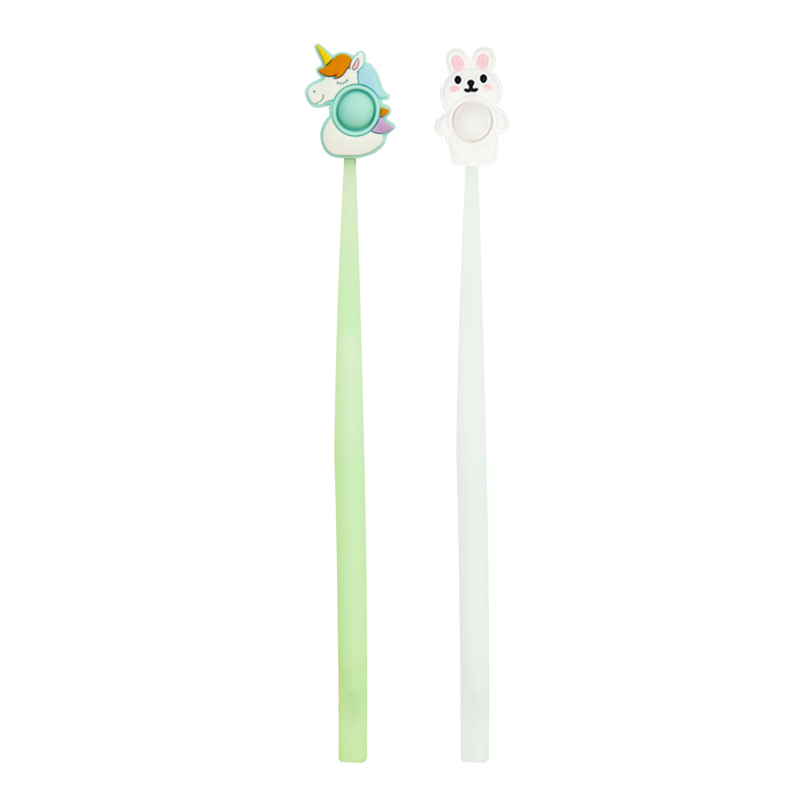
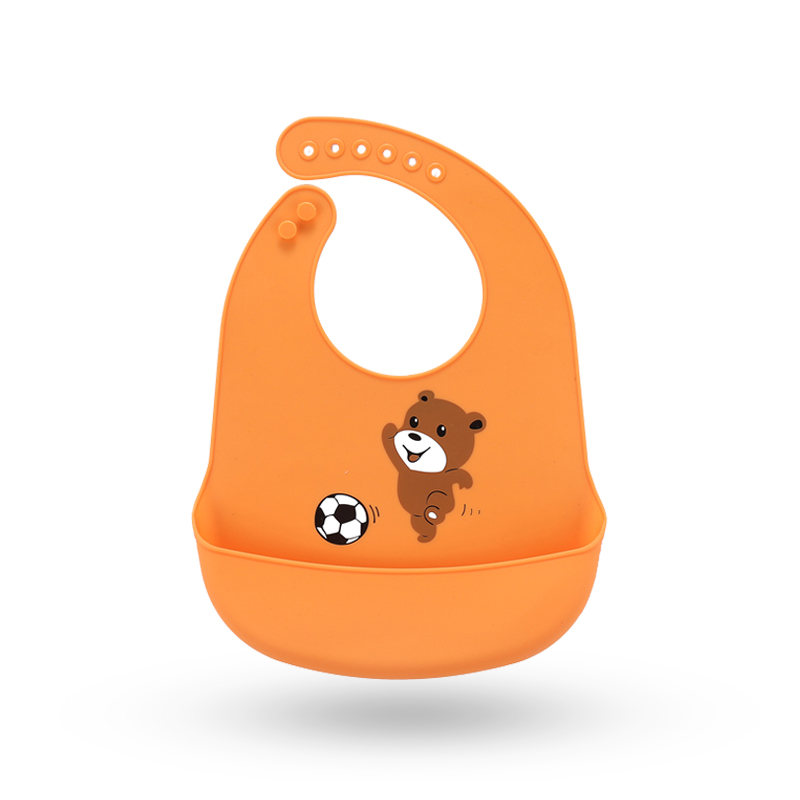
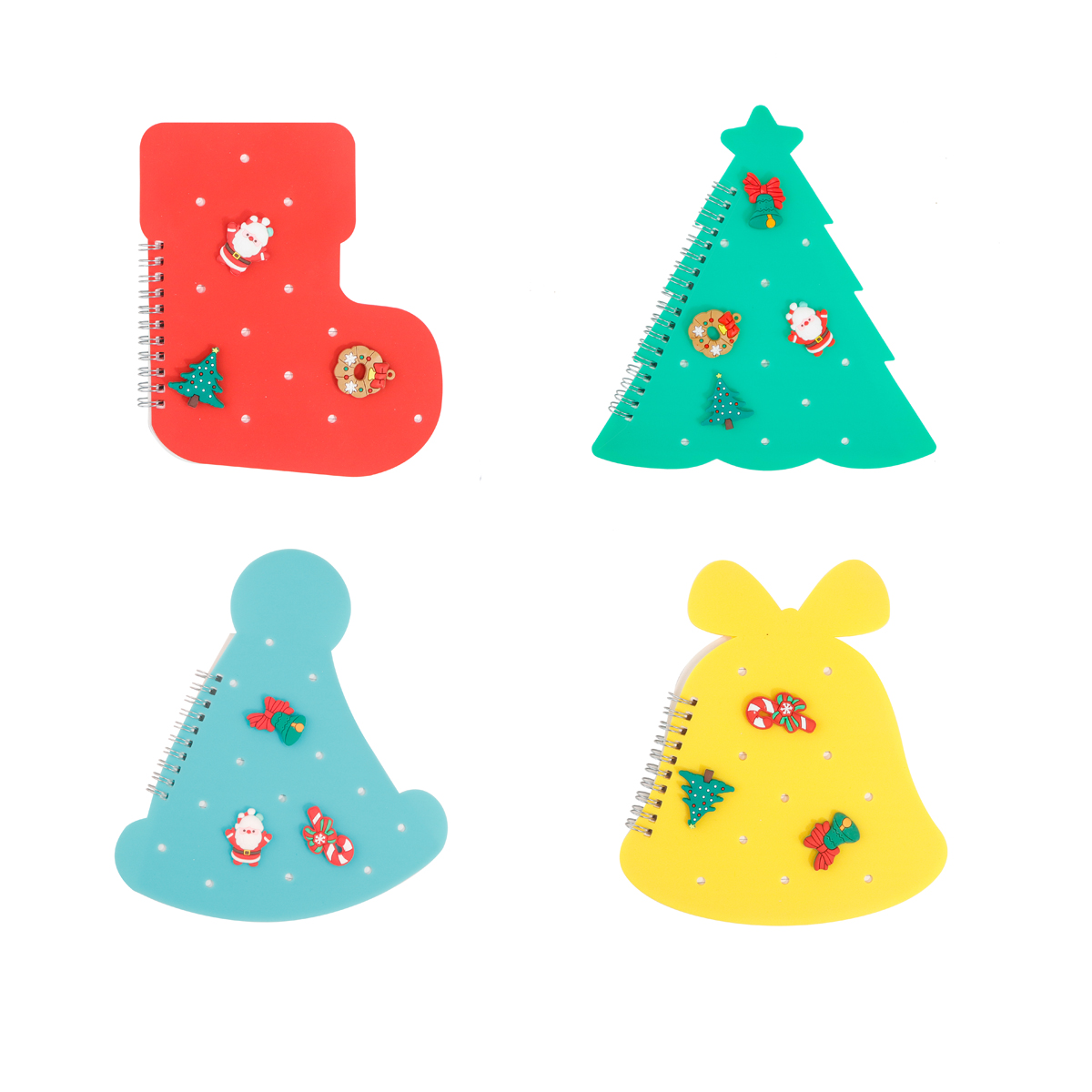
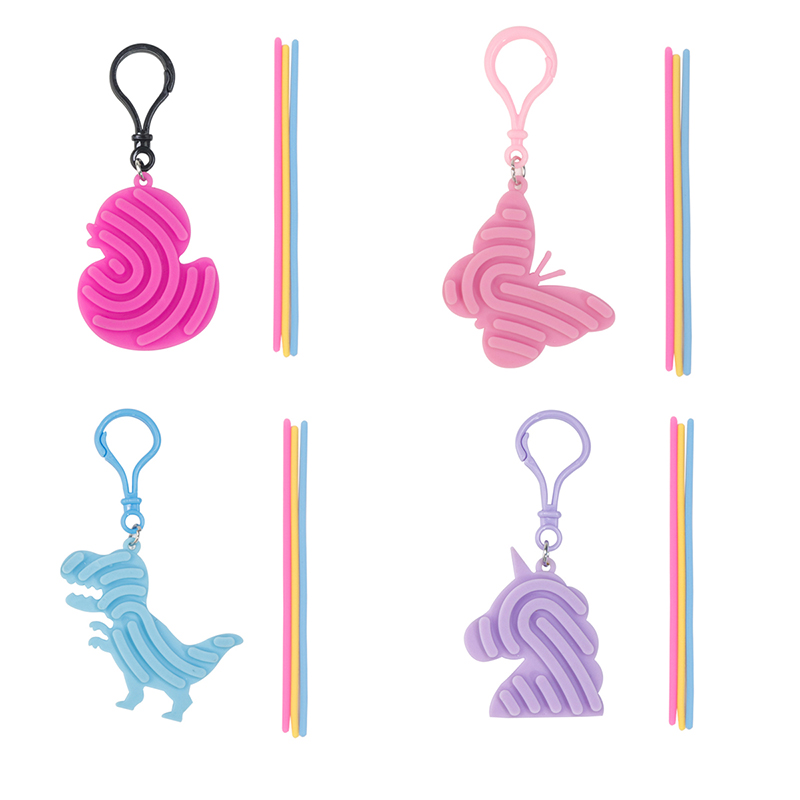
Stationery has traditionally relied on materials such as paper, plastic, wood, and metal. Silicone introduces a different material experience, bringing softness, flexibility, and molded shapes into products used around desks, classrooms, studios, and workplaces. This has helped Silicone Stationery develop into a distinct category within modern office and school supplies.
Why Silicone Works for Stationery
Silicone is an elastomeric material that can deform under pressure and return toward its original shape. This characteristic makes it suitable for stationery products that are frequently squeezed, bent, opened, closed, or handled.
Unlike rigid plastics, silicone can provide a softer touch. A pen grip, for example, can be designed around the shape of the user's fingers, while a pencil case can use a flexible body that is easier to open and close.
The material can also be produced in different hardness levels, allowing manufacturers to select a formulation according to the intended product structure.
Mold Design Shapes the Product
A major part of Silicone Stationery manufacturing takes place inside the mold. Silicone material is placed into a specially designed cavity, where heat and pressure can help form the final shape.
The mold determines details such as dimensions, surface texture, edges, logos, grooves, and decorative patterns. For products with multiple sections or complex shapes, mold design becomes more involved.
Small details can make a noticeable difference. A pen holder may need internal ribs for structure, while a silicone case may require flexible hinges or accurately positioned openings.
Adding Color and Texture
Silicone stationery does not have to look like conventional office supplies. Manufacturers can add different colors, surface textures, patterns, and molded details during production.
Color can be integrated into the silicone compound before molding. This allows the material itself to carry the desired appearance rather than relying entirely on an external coating.
Surface texture is another area where silicone offers design flexibility. Matte finishes, raised patterns, fine grooves, and soft-touch surfaces can create different visual and tactile effects.
This makes the material interesting for brands developing stationery collections around particular colors or themes.
Common Silicone Stationery Products
The category covers a surprisingly wide range of products.
Silicone Stationery can include pen sleeves and grips designed for comfortable handling. Pencil cases can use flexible silicone bodies with openings or closures integrated into the design. Desk organizers can combine a soft exterior with internal compartments.
Small accessories such as bookmarks, clips, cable holders, and eraser covers can also use silicone because the material allows compact molded forms.
Each product uses the material differently. A grip needs flexibility, an organizer needs shape retention, and a case may require a balance between softness and structural support.
Manufacturing Requires Consistent Forming
Silicone processing involves several stages, including material preparation, weighing, molding, heating, trimming, inspection, and assembly when multiple components are involved.
Compression molding is commonly associated with silicone products. The prepared material is placed into the mold, and controlled heat and pressure form it into the required shape.
For products containing several colors or components, manufacturers may use additional molding or assembly processes. The production method depends on the product geometry and the desired appearance.
Silicone Changes Desk Accessories
The use of silicone is also changing how stationery products are designed. Instead of treating a pen holder, case, or organizer as a rigid container, designers can create products that bend, compress, fold, or interact with other objects.
A silicone desk accessory may therefore serve both a practical and visual role. Rounded shapes and soft surfaces can give familiar stationery a different character without changing its basic function.
This combination of material flexibility and molded design is one reason Silicone Stationery continues to attract attention in stationery manufacturing.

 EN
EN English
 日本語
日本語 Español