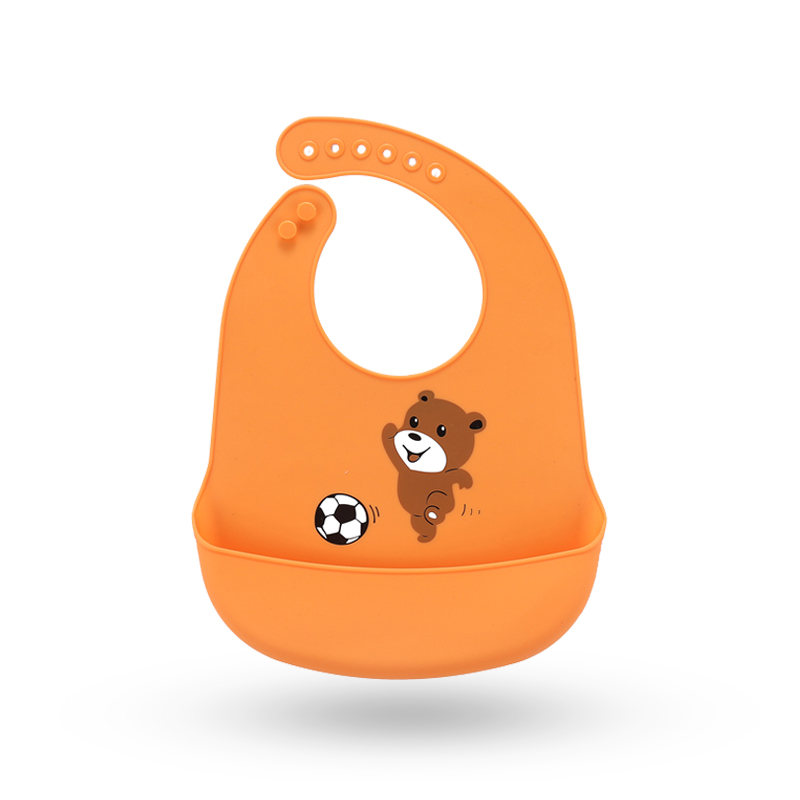
Open a kitchen drawer in almost any home these days, and there's a decent chance a few silicone household products are tucked in among the metal spoons and plastic containers — spatulas, baking mats, ice trays, maybe a stretchy lid or two. The material has quietly worked its way into daily routines, and it's worth understanding why it fits so many different jobs at once.
What Silicone Actually Is
Silicone is a synthetic polymer built from silicon, oxygen, carbon, and hydrogen, and its molecular structure gives it a combination of traits that ordinary rubber or plastic can't quite match. It bends without losing its shape, tolerates a wide temperature range, and doesn't absorb odors or flavors the way some plastics do over time. That mix of properties explains why silicone household products show up across so many rooms in a house rather than being confined to just the kitchen.
Heat Resistance and Everyday Cooking Use
One reason silicone household products dominate the bakeware aisle is how they behave under oven temperatures. Most silicone kitchenware handles heat up into the 400–450°F range without warping, which makes it a practical stand-in for metal pans in situations where nonstick release matters more than browning. Bakeware pulled straight from a hot oven also cools faster on the surface than metal, so handling it right after baking carries less risk of a quick burn.
Flexibility and Durability in Daily Use
Where plastic tends to crack after repeated folding or crushing, silicone household products generally bounce back to their original shape. That flexibility is part of why collapsible silicone containers have become common for travel and small kitchens — a container that folds flat for storage and pops back up when needed solves a real space problem. The material also resists scratching from metal utensils better than many plastics, though it isn't entirely immune to nicks from sharp knife edges.
Color, Texture, and Design Variety
Manufacturers lean into color options heavily with silicone household products, partly because the material takes pigment well and holds its tone without fading quickly under normal use. Matte finishes, translucent tones, and textured grips all show up across product lines, giving buyers a way to match kitchenware to a broader color scheme or simply pick something that stands out in a drawer full of similar tools. Texture also plays a functional role — ribbed grips on spatula handles or trivets, for instance, help with handling wet or oily surfaces.
Cleaning and Everyday Handling
Cleaning routines for silicone household products tend to be straightforward. Most pieces go through a dishwasher without warping, though hand-washing with warm water and mild soap works just as well for items with tighter grooves where food residue can collect. Because the surface doesn't absorb liquids the way porous materials do, odors and stains lift off more easily than they would from wood or certain plastics, which is part of why silicone tools stay usable-looking for a long stretch of regular use.
Fit for Small-Space and Multi-Use Homes
Apartments and smaller kitchens benefit from the collapsible and stackable nature of many silicone household products. A set of nesting bowls or foldable containers takes up a fraction of the cabinet space that rigid alternatives require, and that space efficiency has made silicone a practical pick for renters, dorm setups, and anyone furnishing a kitchen without much storage to spare.

 EN
EN English
 日本語
日本語 Español