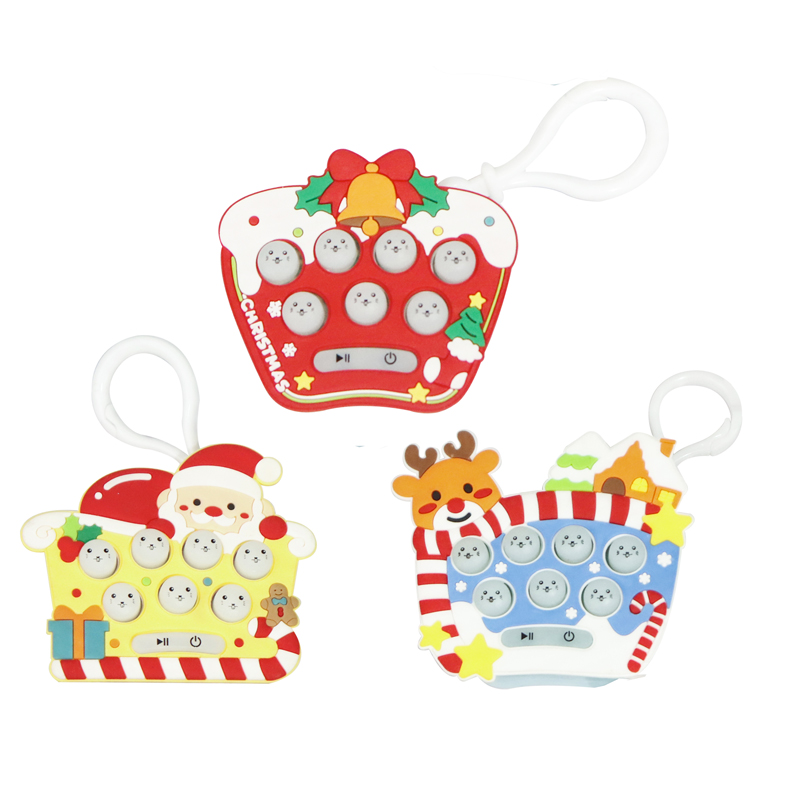
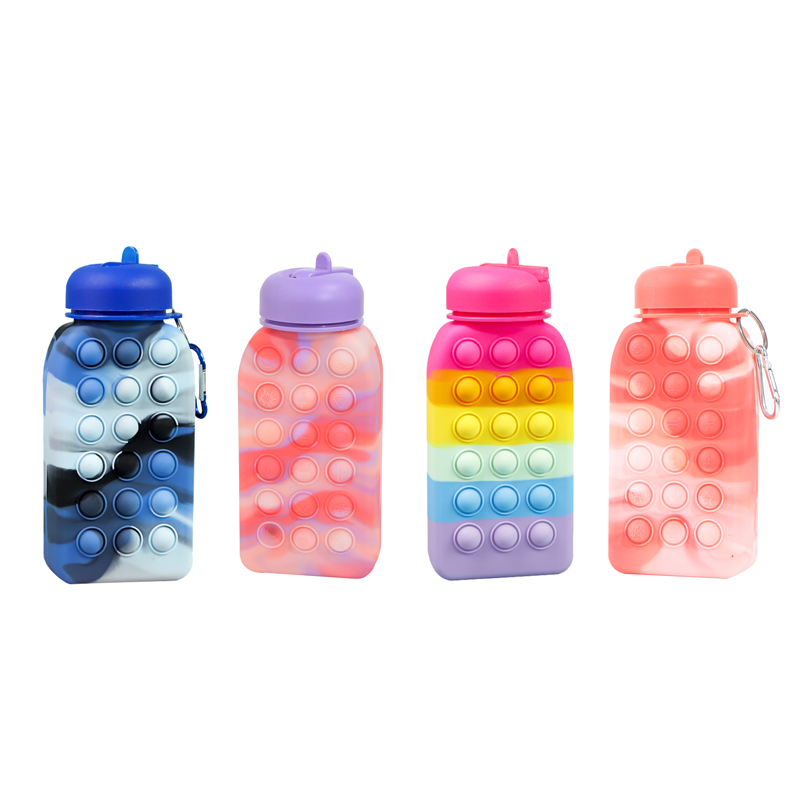
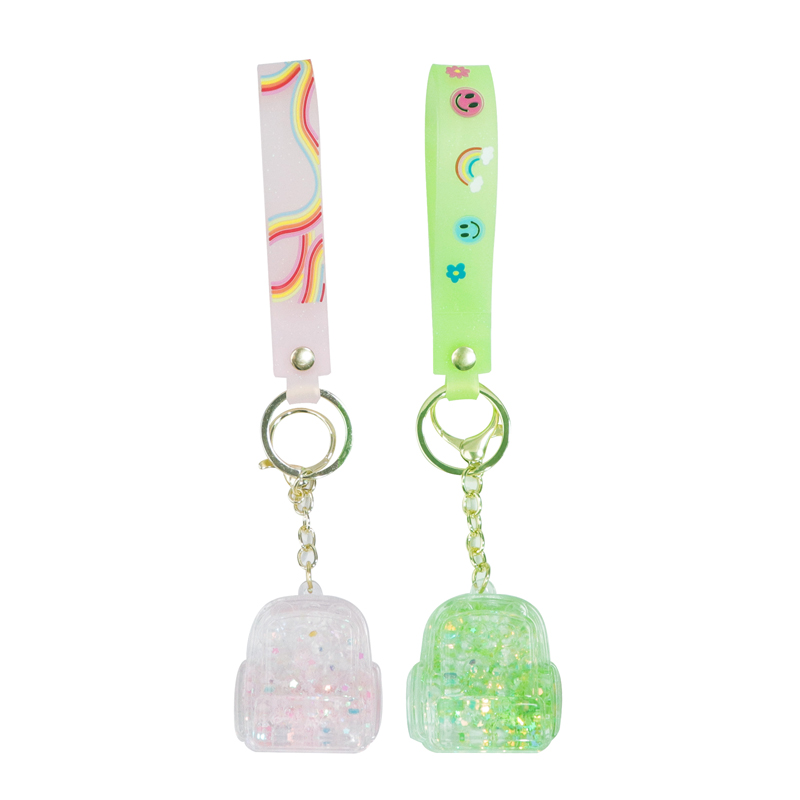
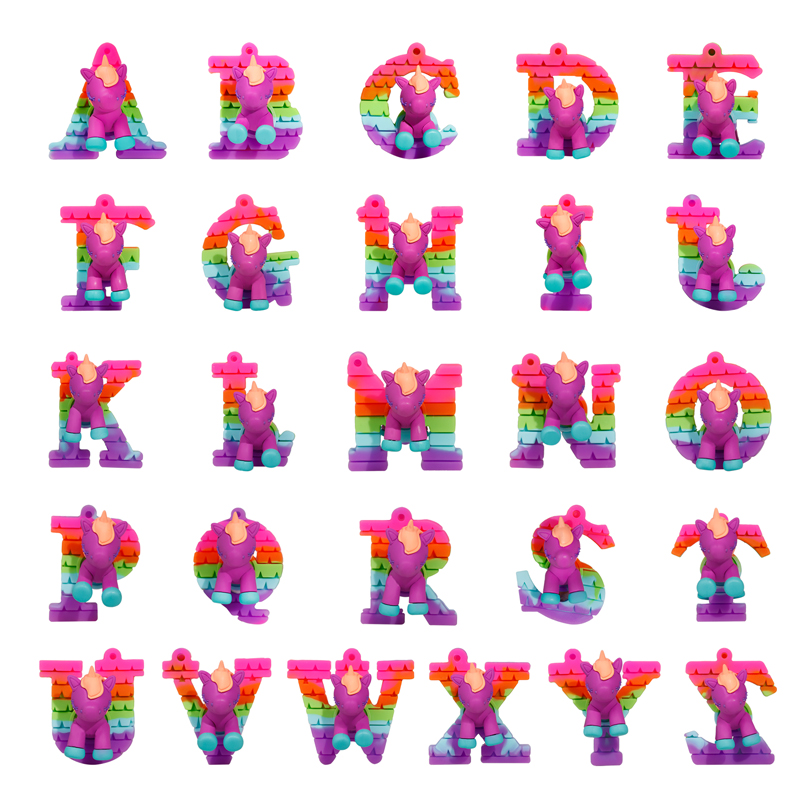
Toy design is no longer limited to traditional rigid materials and familiar shapes. As product categories become more diverse, manufacturers are exploring materials that offer different textures, forms, and interactive experiences. Silicone has become an interesting option in this field because of its flexibility, soft touch, and ability to support detailed molded designs. A Silicone Toy can take many forms, from colorful sensory play items to creative figures and educational accessories.
Why Is Silicone Used in Toy Manufacturing?
Silicone is a flexible material with a soft surface texture and good shape adaptability. Compared with many rigid plastic materials, it can bend and compress under pressure before returning toward its original form, depending on its formulation and product structure.
These characteristics make silicone suitable for toys that involve squeezing, stretching, pressing, or tactile interaction. It can also be molded into different shapes, allowing manufacturers to create animals, geometric figures, miniature objects, and imaginative characters.
Another feature is its ability to support different surface finishes. Smooth, textured, and patterned surfaces can be incorporated into product designs, giving toy brands more flexibility when developing items for different age groups and play scenarios.
Colors, Textures, and Shapes Create Product Variety
Visual appearance is an important part of toy development. Silicone supports a wide range of colors, making it possible to create bright character toys, pastel-colored sensory products, and themed collections.
Manufacturers can also combine different shapes and surface textures to create more engaging product designs.
Common design directions include:
- Animal figures: Cute animal shapes with recognizable details and colorful appearances.
- Geometric toys: Basic shapes that introduce children to different forms and patterns.
- Sensory toys: Products with raised patterns, soft surfaces, or squeeze-friendly structures.
- Miniature figures: Small decorative characters suitable for themed toy collections.
- Educational accessories: Shape-based products that can support simple learning and recognition activities.
These product variations allow brands to build collections around particular themes, colors, or interactive functions.
Customization Opportunities for Toy Brands
Customization is an important part of the silicone toy supply chain. Manufacturers can develop products according to customer requirements, including customized shapes, colors, surface patterns, and packaging.
Private-label buyers may choose existing product structures and adjust their appearance to match a brand theme. Businesses developing exclusive collections can also discuss custom mold designs and character concepts with manufacturing partners.
A Silicone Toy collection can be organized around different themes, such as animals, food shapes, fantasy characters, or educational objects. Consistent color combinations and recognizable designs help create a coordinated product range for retail distribution.
How Silicone Expands Toy Design Possibilities
Material selection influences the appearance, structure, and interactive features of a toy. Silicone offers manufacturers flexibility in creating products with varied textures, molded details, and colorful designs.
A Silicone Toy can serve different market segments, including sensory play, educational products, character merchandise, and creative gift collections. For overseas buyers, understanding the relationship between silicone properties, molding techniques, and product design helps identify suitable manufacturing solutions.
By combining material flexibility with thoughtful shapes and visual details, toy manufacturers can develop product collections that offer distributors and private-label brands more choices in the international toy market.

 EN
 English
 日本語
 Español