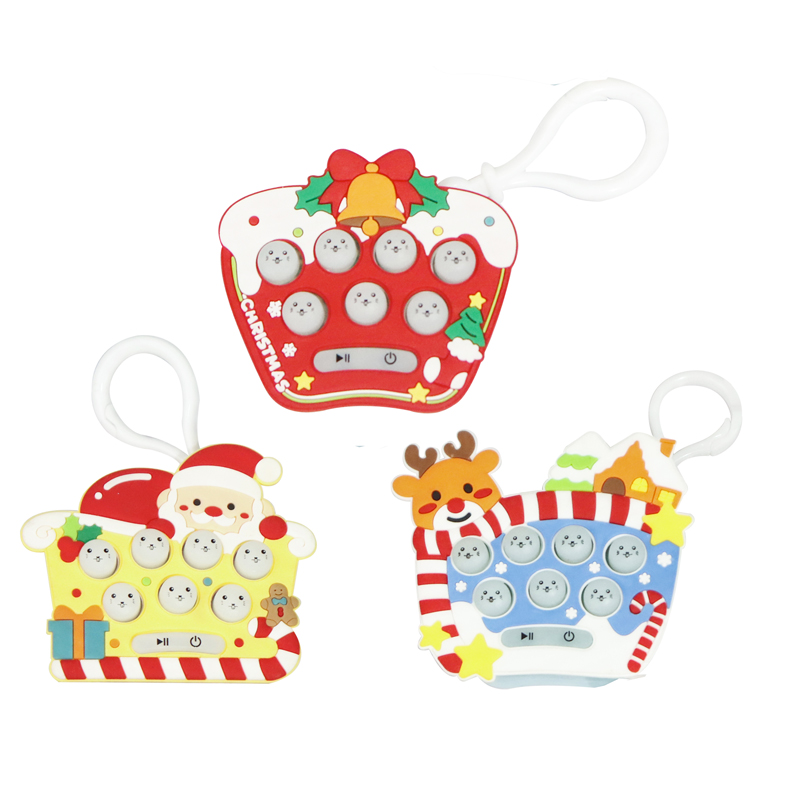
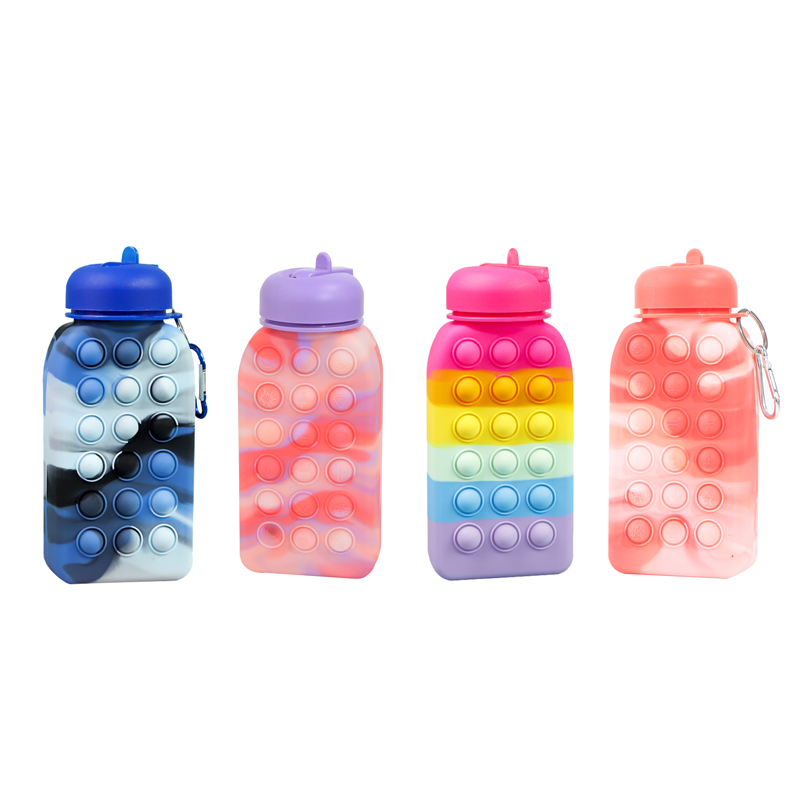
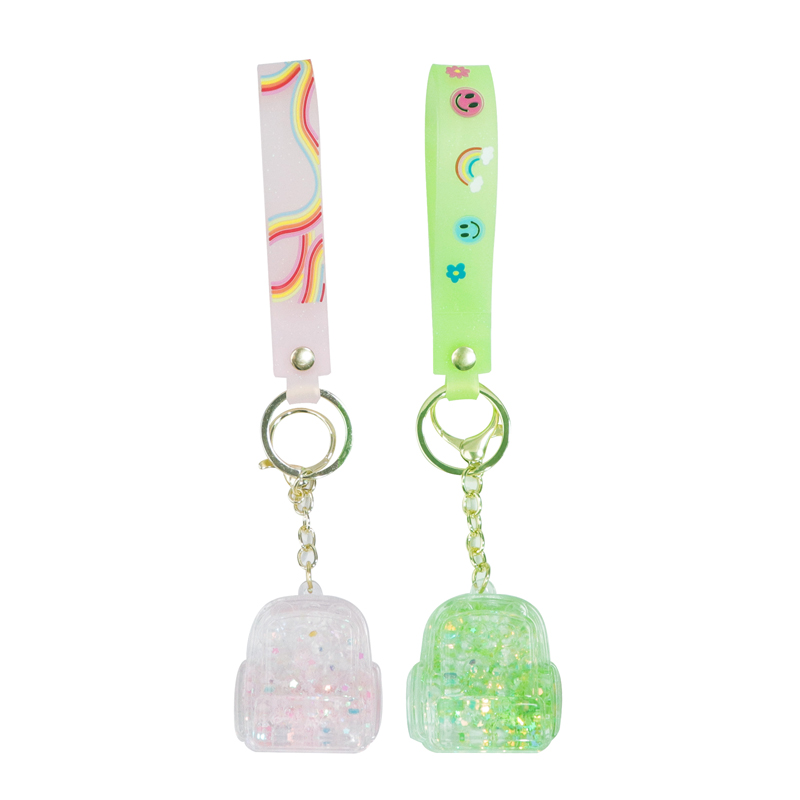
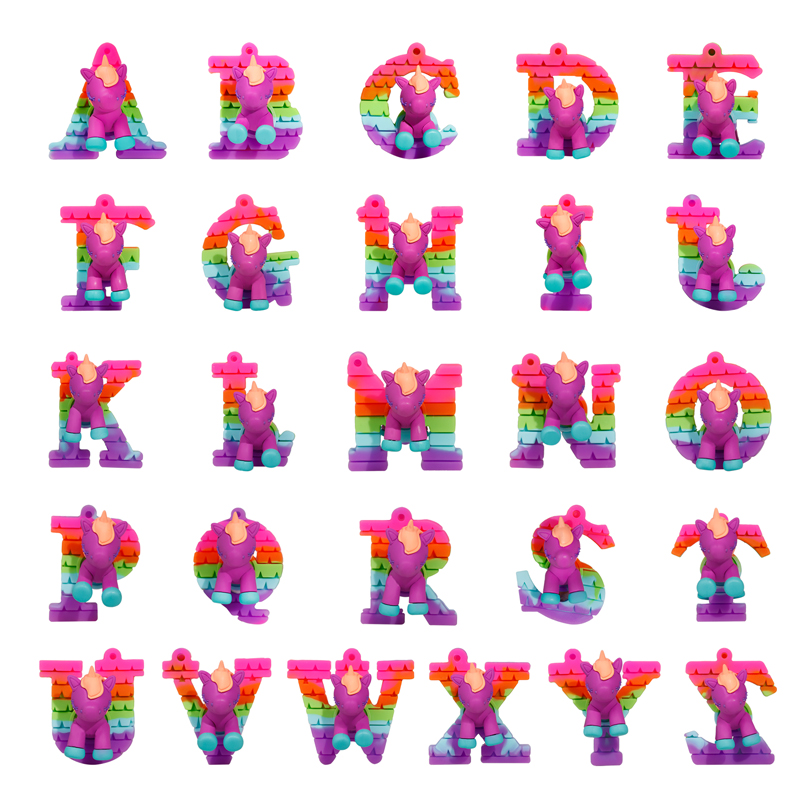
A small promotional item can involve more design and manufacturing decisions than its size suggests. Silicone keychains are used across retail merchandise, corporate gifts, event souvenirs, and branded accessories. Their flexible material and adaptable shapes give manufacturers room to develop different product styles for business customers.
Why Silicone Works for Different Keychain Designs
Silicone is a flexible material that can be formed into different shapes and surface textures. Unlike rigid plastic accessories, it can provide a soft-touch feel while retaining its intended shape during normal use.
This material also supports a range of visual designs. Depending on the mold structure and production method, manufacturers can produce flat patterns, raised logos, textured surfaces, and multi-layer graphics.
These features make silicone keychains suitable for several commercial applications:
- Brand merchandise: Companies can incorporate logos, brand symbols, and customized colors into promotional accessories.
- Retail gift collections: Gift suppliers can develop themed designs based on characters, animals, food shapes, or everyday objects.
- Event souvenirs: Organizers can use customized shapes and printed details to represent exhibitions, sports events, and promotional campaigns.
- Corporate gifts: Businesses can add company names or visual elements to small branded products for business events.
For distributors and product developers, material flexibility provides more room to create product variations without changing the basic product category.
Mold Design Determines the Final Appearance
Mold development is an important part of custom silicone keychain production. Before manufacturing begins, designers usually prepare artwork or a digital model to define the product's dimensions, outline, thickness, and surface details.
The mold must reflect these design requirements. For example, a simple logo-shaped accessory may need a relatively straightforward mold structure. A design with raised letters, recessed patterns, or multiple color sections requires additional consideration.
Several details need to be considered during mold development:
- Shape definition: The outer contour determines the overall appearance of the accessory.
- Pattern depth: Raised and recessed areas create different visual effects.
- Thickness distribution: Product thickness affects the finished shape and hand feel.
- Attachment position: The connection point for the metal ring or chain should be included in the design.
A well-developed mold also gives manufacturers a clearer production reference when developing multiple designs within one product collection.
How Silicone Keychains Are Made
The manufacturing process generally starts with silicone material preparation. Raw silicone is mixed with selected colorants to achieve the required color. The prepared material is then placed into a mold and formed under controlled processing conditions.
Compression molding is one method used in silicone product manufacturing. Material is placed into the mold cavity, and heat and pressure help it take the required shape. Depending on the product structure and factory equipment, other molding methods may also be used.
After molding, the formed pieces are removed from the mold. Additional steps may include trimming excess material, separating individual components, and assembling metal rings or connecting accessories.
For multi-color designs, production arrangements depend on the number of colors and the structure of the artwork. Some designs require separate molding stages, while others use more complex mold arrangements.
These manufacturing choices influence production time, design flexibility, and the number of processing steps involved.
Silicone Keychain Production for Multiple Market Applications
From simple logo accessories to detailed character-shaped products, silicone manufacturing offers different ways to develop customized keychains. The combination of material flexibility, mold design, color selection, and attachment options allows manufacturers to serve different product categories.
For promotional product distributors, gift suppliers, and private-label businesses, working with a manufacturer that understands custom molding and design requirements can make product development more straightforward. A clearly defined design brief also helps both sides coordinate the manufacturing process and develop products that match the intended commercial application.

 EN
 English
 日本語
 Español