From Silicone Materials to Finished Products
Silicone products appear in a wide range of industries, including household goods, electronics, automotive components, medical-related accessories, and industrial equipment. Behind these products, a Silicone product Factory coordinates material preparation, mold design, forming processes, and finishing operations to turn product concepts into manufactured parts.
Silicone is valued for its flexibility, elasticity, and ability to perform across different temperature conditions, depending on the material formulation. Manufacturers can produce soft seals, flexible covers, buttons, tubing, kitchen accessories, and custom-shaped components by selecting suitable silicone materials and processing methods.
Mold Design Determines Product Structure
Mold design is a central stage in silicone manufacturing. The mold defines the product's dimensions, surface details, wall thickness, and overall shape. Features such as small openings, grooves, raised lettering, and textured surfaces need to be considered before production begins.
A Silicone product Factory may use compression molding, liquid silicone rubber injection molding, or other forming methods according to the material and product structure. Compression molding commonly involves placing prepared silicone material into a heated mold, while liquid silicone rubber injection molding uses specialized equipment to inject liquid material into the mold cavity.
Each process has different requirements for tooling, material handling, and production setup. Product size, geometry, expected production volume, and dimensional tolerances all influence process selection.
Early communication between the customer and the factory can help identify design details that may affect mold complexity, manufacturing time, and product consistency.
Material Selection and Processing Methods
Silicone materials are available in different formulations to meet varied functional requirements. Hardness, elasticity, color, transparency, and resistance to heat can differ according to the selected grade and formulation.
For example, a flexible silicone button requires a different balance of tactile response and structural support from a rigidly shaped sealing component. Products intended for repeated compression may also need different material characteristics from decorative silicone items.
During processing, manufacturers control factors such as material quantity, mold temperature, curing time, and forming pressure where applicable. These variables affect the shape and physical characteristics of the finished component.
A capable Silicone product Factory should be able to explain the material options available for a specific application and clarify which properties can be adjusted through formulation or product design.
Custom Manufacturing for Different Industries
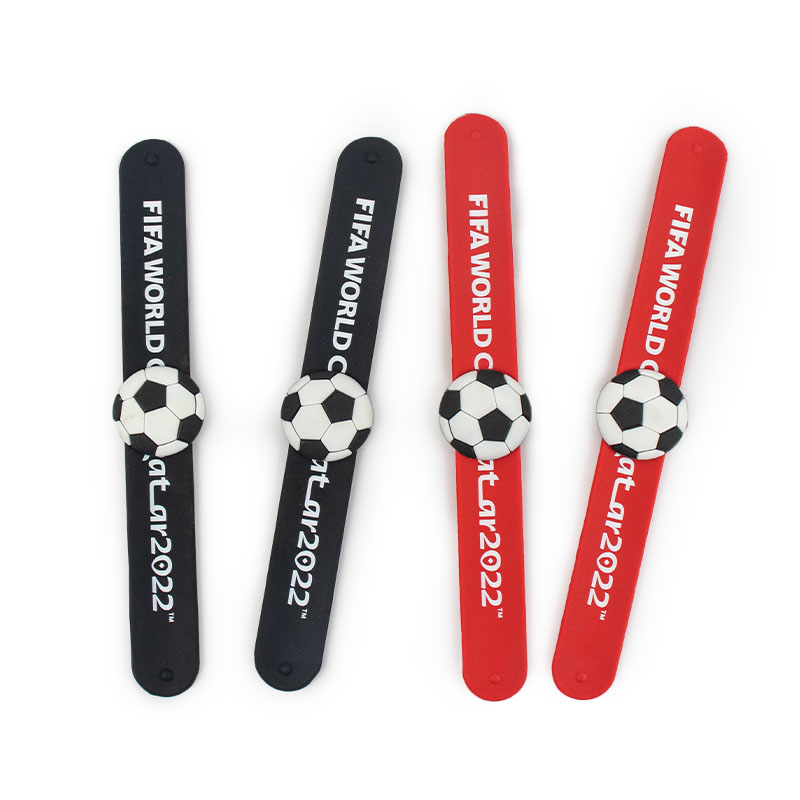
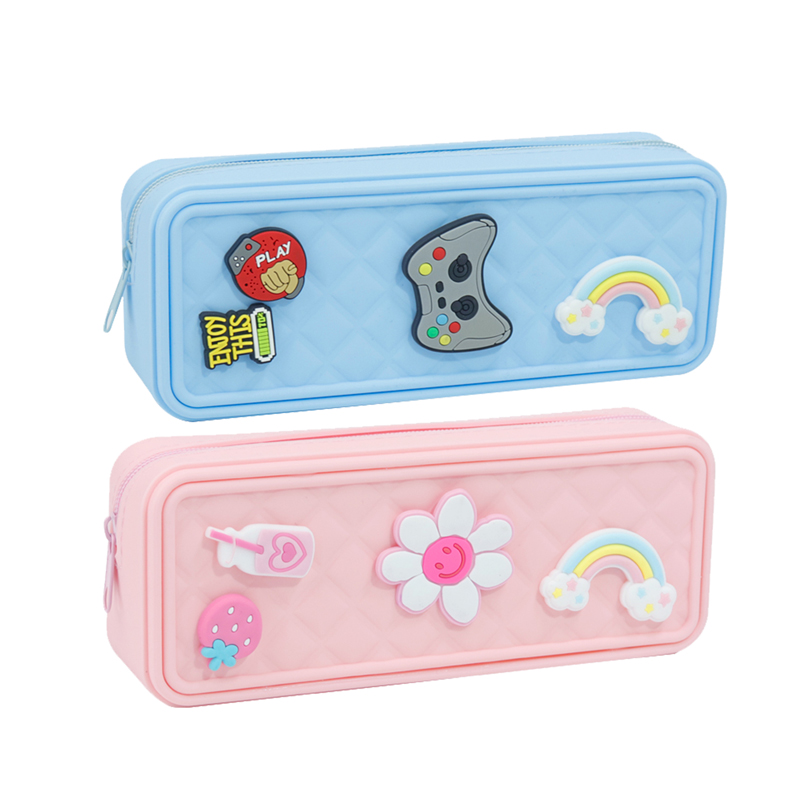
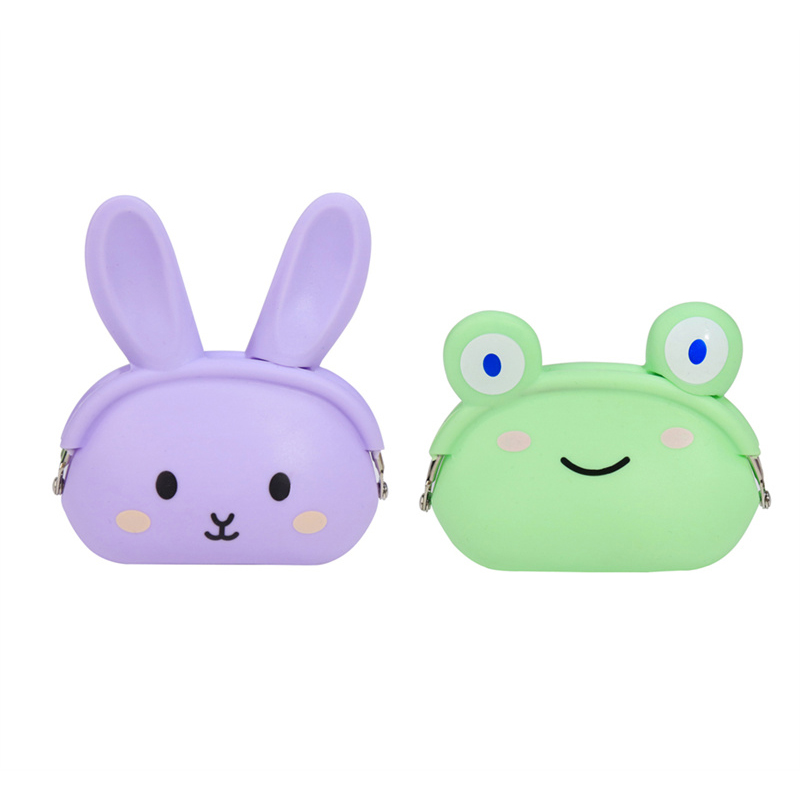
A Silicone product Factory may serve customers across several application areas. Consumer product brands may request kitchen accessories, protective covers, flexible grips, or customized promotional items. Industrial customers may need gaskets, seals, vibration-absorbing parts, and protective components designed for specific equipment.
Electronics manufacturers can require silicone keypads, cable grommets, insulating covers, and flexible interfaces. Automotive component suppliers may source seals, plugs, and other silicone parts according to their assembly requirements.
These applications differ in geometry, material properties, appearance, and production volume. Custom manufacturing therefore depends on matching the tooling design and processing method to the intended use rather than applying one production setup to every product.
OEM and ODM Cooperation
OEM and ODM services allow businesses to develop silicone products around their own specifications or work from an existing factory design. Custom projects may involve logo placement, color selection, material hardness, mold development, packaging, and adjustments to product dimensions.
When contacting a Silicone product Factory, customers can provide drawings, reference samples, target dimensions, estimated order quantities, and descriptions of the product's working conditions. These details help the manufacturing team assess feasibility and identify information that needs clarification.
A structured development process connects product design, material selection, mold preparation, sample evaluation, and batch production. Clear specifications at each stage help reduce misunderstandings and support consistent communication between manufacturers and their customers.

 EN
 English
 日本語
 Español