Small accessories often reveal larger lifestyle trends, and the Silicone Keychain has emerged as a subtle yet noticeable example. Once limited to simple promotional giveaways, keychains made of silicone now appear in retail stores, online marketplaces, and fashion collections. Their evolution reflects growing interest in durable, lightweight materials that blend function and personal expression. In many cities, accessory counters dedicate entire sections to colorful silicone designs, showing how a once simple utility item has moved into mainstream style culture.
Silicone’s flexibility makes it well suited to daily handling. Keys move constantly between pockets, bags, and countertops. A Silicone Keychain can bend without cracking, maintaining shape after repeated use. This resilience supports long-term performance, especially for individuals who carry multiple keys for home, office, and vehicle access. The soft texture also reduces scratches on phone screens or other items stored in the same pocket, which adds another layer of practical value to its design.
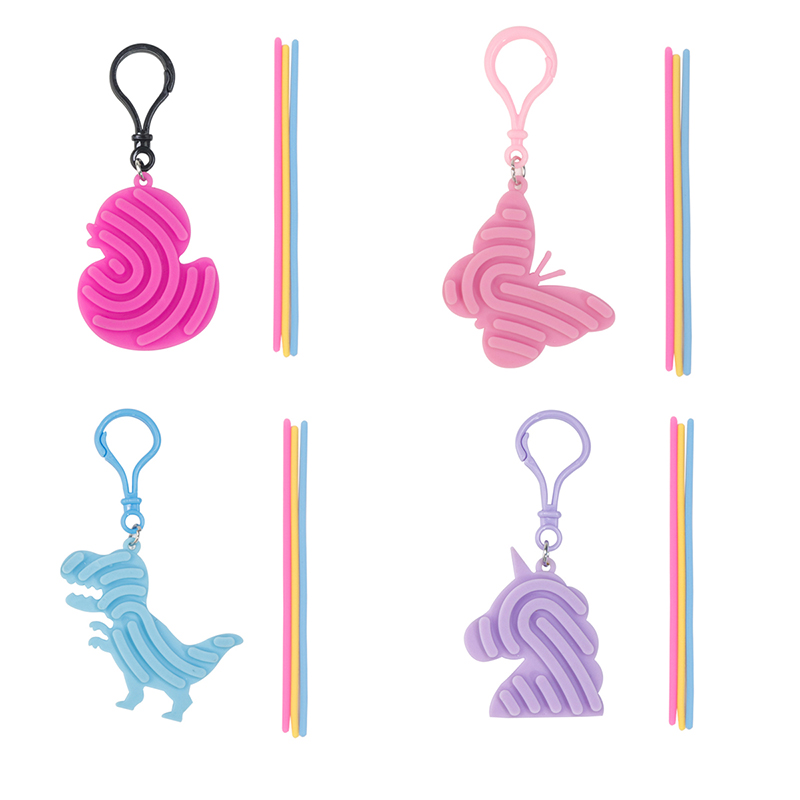
Design variety contributes significantly to the accessory’s appeal. Brands experiment with embossed logos, minimalist loops, and playful character shapes. Some versions incorporate wrist straps that slip comfortably over the hand, reducing the risk of dropping keys during busy commutes or quick errands. Others feature detachable rings, allowing users to reorganize sets without replacing the entire keychain. Limited seasonal colors and themed collections keep interest fresh and encourage repeat purchases among style-conscious consumers.
In recent years, customization has gained traction. Consumers appreciate items that reflect personal identity, hobbies, or affiliations. A Silicone Keychain can display initials, motivational phrases, or symbolic graphics. The material accepts a range of colors, from muted neutrals to vibrant shades. This versatility supports both understated aesthetics and bold statements. Small businesses and independent designers have also entered the market, offering personalized engraving or printed artwork that transforms a simple key holder into a distinctive accessory.
Practical enhancements further expand functionality. Certain designs integrate small LED lights, bottle openers, or USB storage units within silicone casings. The material acts as a protective layer, cushioning delicate components. These hybrid products blur the line between accessory and tool, appealing to users who value compact efficiency. Some models even include tracking device holders, helping owners locate misplaced keys using smartphone apps, which adds a layer of convenience suited to fast-paced routines. Compact emergency tools such as mini whistles or contact information tags may also be incorporated, giving users subtle preparedness features without adding bulk.
Corporate branding remains an important channel. Companies distribute Silicone Keychain items at trade shows and promotional events. The material’s durability ensures that logos remain visible over time, extending marketing reach. Recipients often integrate these keychains into daily life, providing ongoing brand exposure. Compared to paper flyers or disposable giveaways, a functional keychain offers longer visibility and practical use, making it an appealing promotional option. Startups and community organizations also use customized silicone designs to strengthen identity and encourage engagement during public events.
The Silicone Keychain illustrates how everyday objects can evolve alongside shifting consumer values. Durability, customization, and practicality combine in a compact format that fits easily into daily routines. Design experimentation continues, and this small accessory is likely to remain a visible and functional companion in pockets and bags across diverse settings. Its steady presence in both fashion displays and hardware aisles suggests that utility and style no longer exist separately, even in the smallest details of daily carry. Continued innovation in materials and design may further expand its role in everyday organization.

 EN
EN English
 日本語
日本語 Español