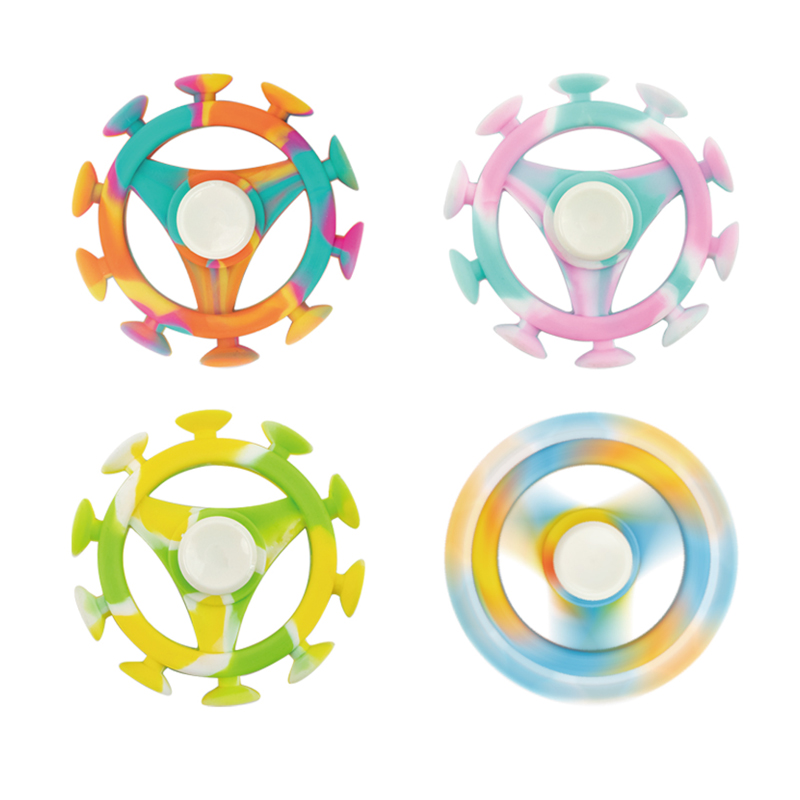
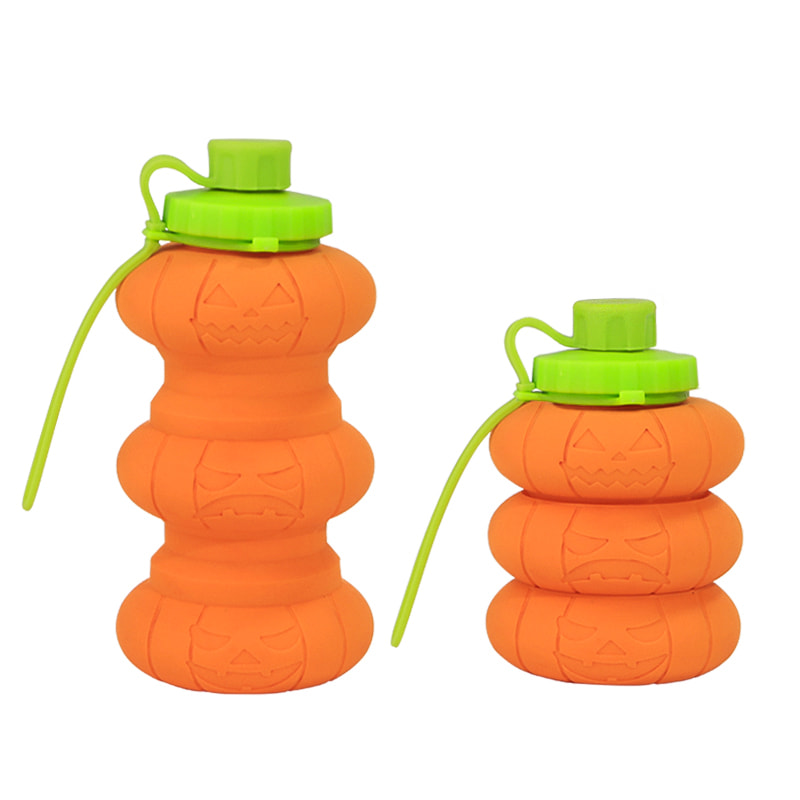
Diverse Production Lines and Technical Capabilities
Silicone product Factory operations have evolved significantly across recent decades. What once focused on simple molded parts now includes complex consumer goods, industrial components, and promotional items. From kitchen tools to precision gaskets, production lines adapt to varied technical requirements.
A typical Silicone product Factory houses multiple molding systems. Compression molding suits thicker parts and stable shapes. Liquid silicone injection molding accommodates intricate structures and tighter tolerances. Extrusion lines create continuous profiles such as tubing or sealing strips. Each method demands distinct equipment calibration and operator expertise.
Material preparation plays a foundational role. Silicone compounds must meet specified hardness levels and color standards. Precise weighing and mixing procedures prevent inconsistencies. When pigments are added, uniform blending ensures visual uniformity across entire batches.
Design Collaboration and Prototype Development
Product development frequently begins long before mass production. A Silicone product Factory may receive sketches, CAD files, or physical samples. Engineers review wall thickness, undercuts, and structural stress points. Suggestions can help adjust geometry to simplify mold construction and enhance durability.
Prototype creation allows both factory and client to evaluate real-world performance. Small trial runs verify dimensions and tactile feel. If adjustments become necessary, mold modifications occur before full-scale production begins. This staged approach reduces the likelihood of large-scale defects.
Silicone’s flexibility introduces unique design possibilities. Soft-touch surfaces, foldable structures, and integrated sealing edges appear in various product categories. However, these features require careful analysis of material flow and curing cycles. Factory engineers rely on experience and technical data to balance aesthetics and functionality.
Brand identity integration also takes place during development. Logos may be molded directly into surfaces or added through printing. Consistent alignment ensures that visual elements remain sharp and legible. Detailed communication at this stage supports smooth mass production later.
Market Position and Industry Collaboration
A Silicone product Factory often serves diverse industries simultaneously. Consumer electronics brands may require protective accessories. Automotive suppliers need sealing components. Household goods distributors look for kitchenware or storage items. This diversity encourages factories to maintain flexible production capacity.
Long-term partnerships rely on transparent communication and consistent performance. Clients expect stable times and predictable product quality. In response, factories refine internal processes and invest in staff training. Structured workflow management contributes to operational stability.
Trade exhibitions and business networks also influence factory visibility. Participation in industry events helps companies connect with buyers seeking reliable manufacturing partners. Digital platforms further expand outreach, enabling factories to present product portfolios and technical capabilities to global audiences.
Silicone’s adaptability ensures continued demand across multiple sectors. Within this environment, a Silicone product Factory operates not only as a production site but also as a collaborative platform where ideas move from concept to finished goods. Careful mold design, disciplined production control, and structured teamwork form the foundation of sustainable cooperation between factories and brand owners.
Conclusion
Silicone product Factory operations remain central to modern manufacturing networks. Integrated production lines, disciplined material control, and structured design collaboration create a stable path from concept approval to volume output. Technical versatility enables factories to respond to diverse product categories without disrupting workflow balance. Market collaboration further strengthens supply reliability and commercial trust. Within competitive global trade, a Silicone product Factory provides not only molded components but also organized production systems that support consistent quality, steady delivery schedules, and long-term industrial cooperation across multiple sectors.

 EN
EN English
 日本語
日本語 Español