The silicone stationery category has gained attention for combining durability, flexibility, and practical design in everyday writing and organizational tools. Products such as pencil cases, pen holders, desk organizers, and silicone erasers are now widely available, offering alternatives to traditional fabric or plastic stationery. Silicone’s lightweight and water-resistant properties allow these items to withstand daily handling, spills, and wear while maintaining a clean appearance, which has contributed to their growing presence in offices, classrooms, and home workspaces.
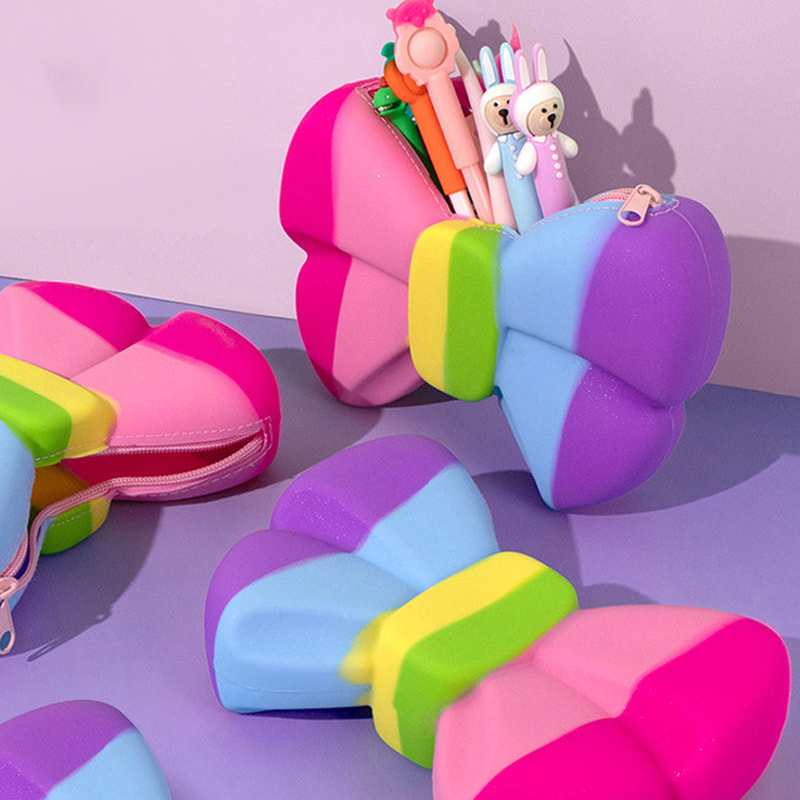
Silicone stationery offers several functional advantages. Its soft, flexible surface resists scratches, tears, and stains, making it suitable for both students and professionals. Pencil cases with multiple compartments allow efficient organization of pens, pencils, markers, and small tools, while desk organizers can accommodate notebooks, cables, or electronic accessories. Some designs are modular or expandable, enabling users to adapt their storage to different items and tasks. Material testing shows that silicone maintains elasticity and shape over time, providing longer usability compared with fabric alternatives that may fray or lose form after repeated use.
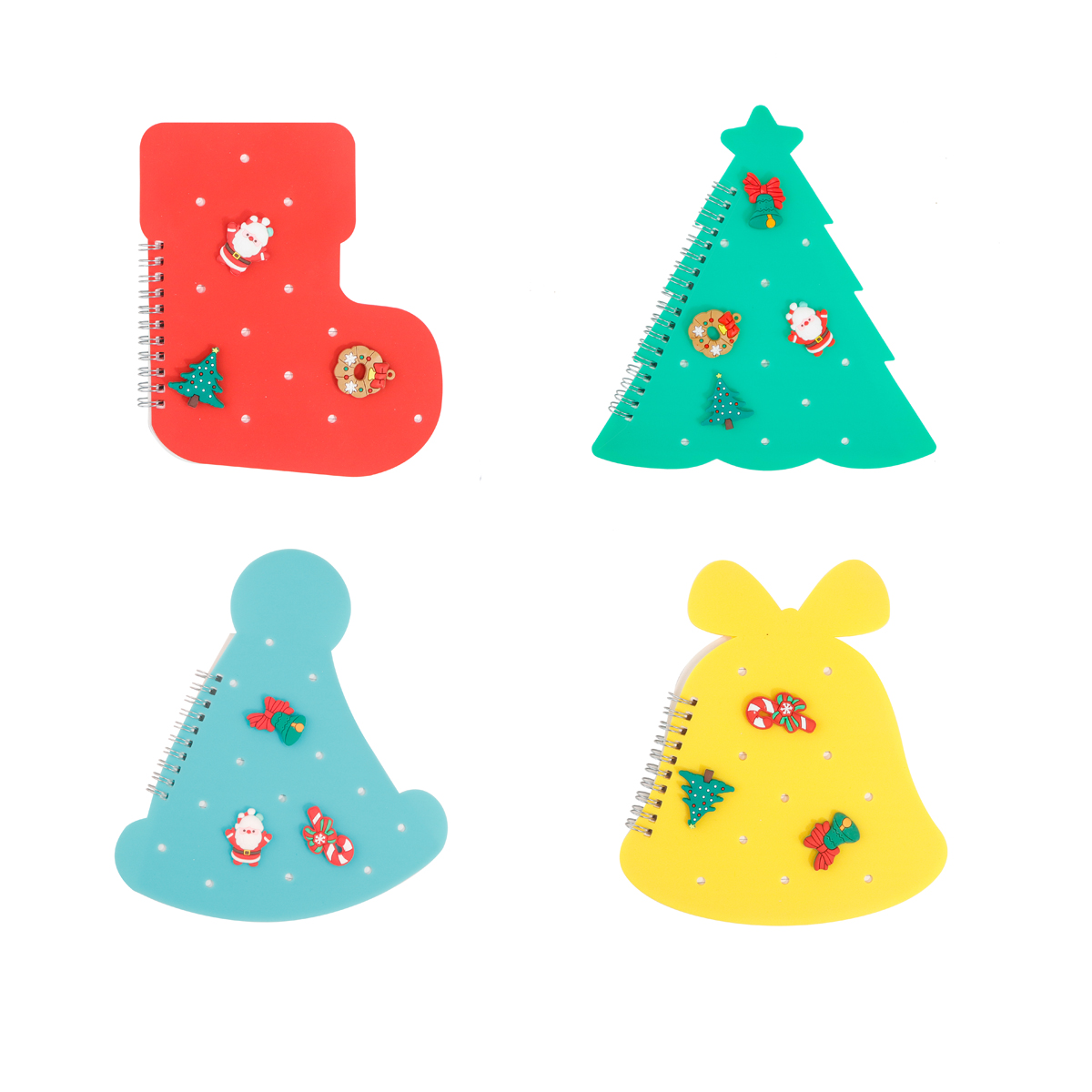
Design and usability are central to the appeal of silicone stationery. Many items combine practical features with minimal maintenance requirements, allowing for easy cleaning with water and mild soap. The tactile quality of silicone provides a non-slip grip for small objects, reducing accidental drops. Its flexibility also allows for creative shapes and color combinations, from muted tones suitable for professional environments to vibrant designs appealing to younger users. The durability and versatility of silicone stationery enable it to function across multiple environments, from classrooms and offices to study desks at home.
Consumer preference data indicates steady interest in silicone stationery due to its resilience and multifunctionality. Users value its lightweight construction, easy-to-clean surface, and resistance to wear as a more sustainable alternative to single-use plastic products. Additionally, silicone’s thermal stability ensures that items maintain their integrity even when exposed to heat or sunlight, extending the lifespan of everyday stationery.
Applications for silicone stationery extend beyond conventional use. Desk organizers made of silicone can hold electronics, cables, and small accessories, while pencil cases can serve as protective pouches for portable devices or art supplies. Some educational programs have incorporated silicone storage solutions for young learners, as the material is hygienic and easy to disinfect. Its combination of practicality, durability, and adaptability makes silicone stationery a functional, long-lasting solution for organizing personal or professional items.
Overall, the silicone stationery category demonstrates how innovative materials can improve everyday tools, offering long-term durability, easy maintenance, and versatile functionality. With its ability to adapt to multiple environments and storage needs, silicone stationery continues to provide a practical and durable option for users of all ages.
Frequently Asked Questions
Q: Is silicone stationery durable for daily use?
A: Yes, silicone is resistant to scratches, tears, and stains, making it suitable for frequent handling.
Q: Can silicone pencil cases hold multiple items?
A: Many designs include multiple compartments or expandable sections to accommodate pens, markers, and small tools.
Q: How is silicone stationery cleaned?
A: Most items can be washed with water and mild soap, then dried easily.
Q: Is silicone stationery suitable for children?
A: Silicone’s durability and ease of cleaning make it a practical choice for students, though small parts should be monitored for young children.

 EN
EN English
 日本語
日本語 Español