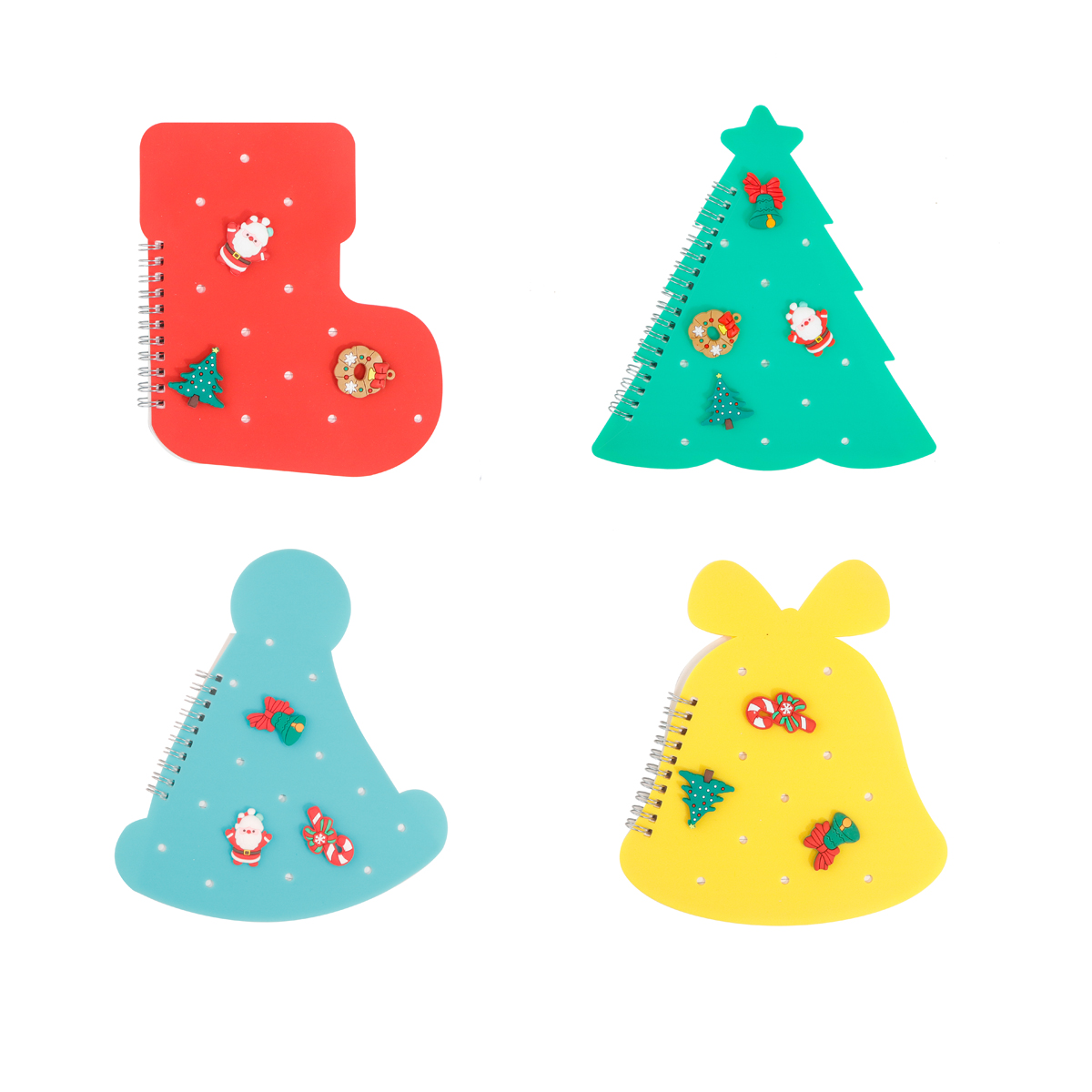
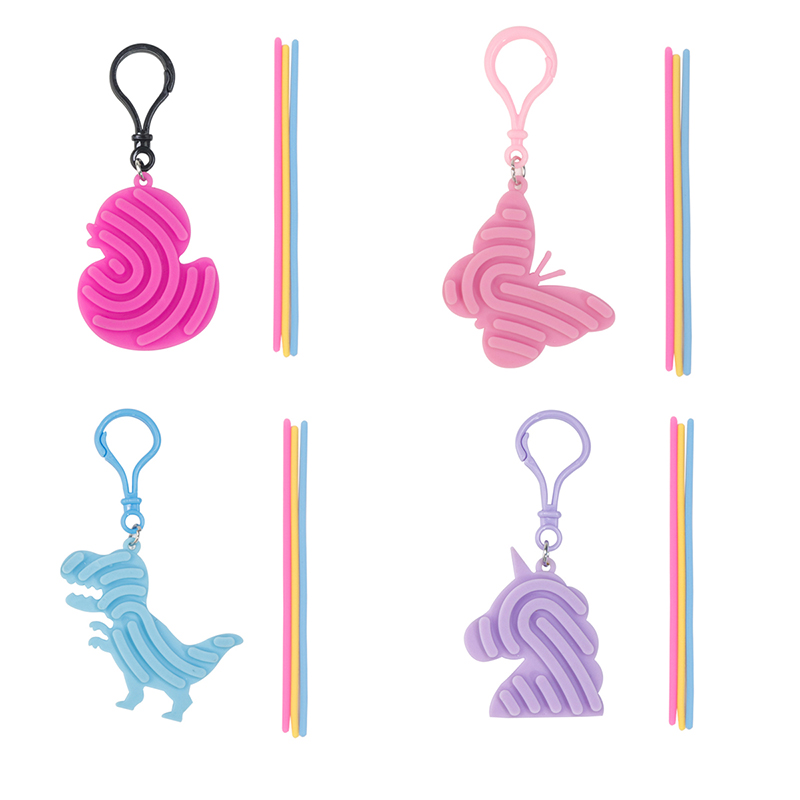
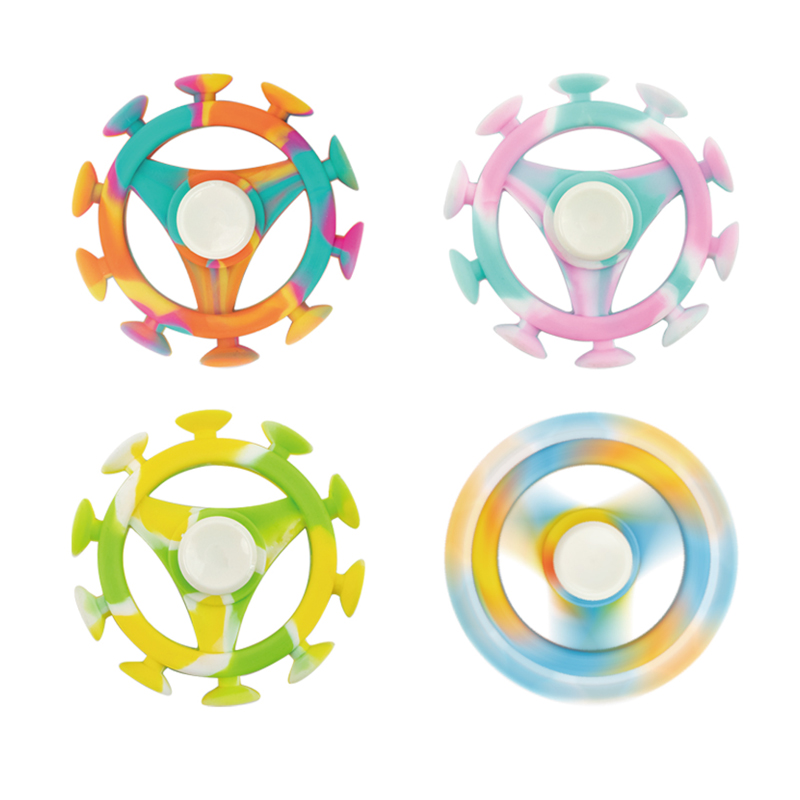
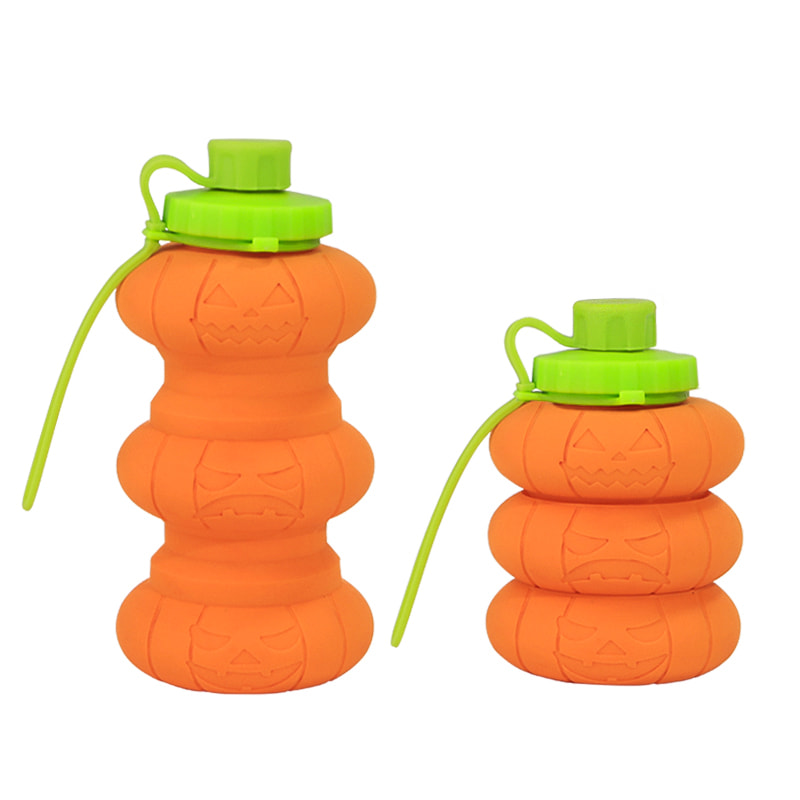
The silicone toy category has grown significantly as a durable, flexible, and safe option for children and adults seeking tactile engagement and stress relief. Constructed from soft, non-toxic silicone, these toys include fidget pieces, pop-and-press sensory toys, teething items, and collectible figures. Their combination of resilience and usability has made them a practical choice for educational environments, therapeutic programs, and recreational play.
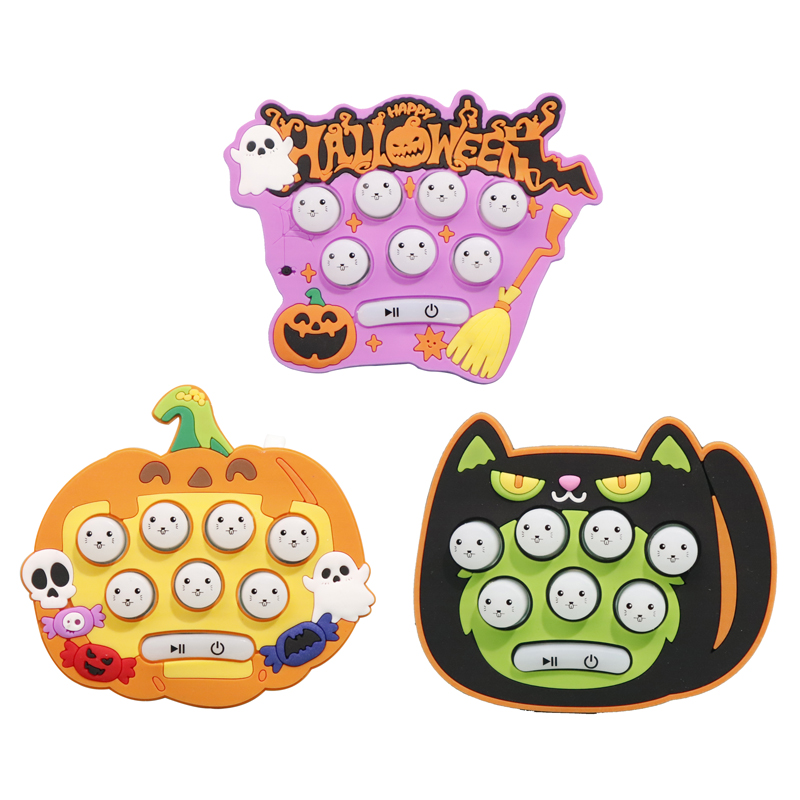
Silicone toys are often designed for repeated handling and tactile interaction. Fidget toys with multiple buttons or bubbles provide a tactile and auditory experience that can support concentration, focus, and fine motor development in children. Studies indicate that hands-on manipulation of sensory toys can aid hand-eye coordination and encourage repetitive motions that improve dexterity. The material’s softness and flexibility ensure that toys retain their shape even after extensive use, reducing the likelihood of breakage or damage.
In addition to traditional play, silicone toys have been integrated into educational and therapeutic settings. Classrooms may use small silicone pieces to teach counting, sorting, or color recognition, while occupational therapy programs employ fidget and manipulation toys to help children improve fine motor skills and attention span. Their non-toxic, easily washable surface also makes them suitable for repeated handling in group environments, ensuring hygiene and durability.
Beyond children, silicone toys are used by adults for stress relief or as desk accessories. The tactile feedback of pressing, squeezing, or popping silicone components can provide brief periods of relaxation or a way to release tension during work or study. Research in ergonomics and occupational health suggests that such sensory engagement can help reduce mental fatigue in repetitive or focused tasks.
The variety of silicone toy designs continues to expand. Pop-style toys, teething rings, modular building pieces, and collectible figures illustrate the material’s adaptability. Silicone’s resistance to temperature changes, moisture, and staining ensures long-term usability. Many products are dishwasher safe or easily wiped clean, extending their lifespan and reducing maintenance compared with other materials.
Market data reflects consistent demand for silicone toys due to their multifunctional and durable properties. Their ability to combine play, learning, and stress management appeals to a broad demographic. Manufacturing techniques allow for varied shapes, sizes, and colors, supporting both developmental needs for children and aesthetic or tactile preferences for adult users.
Safety considerations remain important. While silicone toys are non-toxic and resilient, age recommendations and proper supervision are essential, particularly with small parts or components intended for older children. Product testing often evaluates choking hazards, durability, and chemical safety to ensure compliance with international standards.
Overall, the silicone toy demonstrates how a single material can serve diverse purposes across age groups. Its combination of safety, durability, and sensory engagement provides both recreational and educational value. As innovation in design continues, silicone toys are likely to maintain a significant role in play-based learning, therapy, and daily stress relief.
Frequently Asked Questions
Q: Are silicone toys safe for children?
A: High-quality silicone toys designed for appropriate age groups are non-toxic and safe for handling under supervision.
Q: Can silicone toys help improve concentration or relieve stress?
A: Many silicone fidget and sensory toys provide tactile engagement that can support focus, hand coordination, and temporary stress relief.
Q: How should silicone toys be cleaned?
A: Most silicone toys can be washed with mild soap and water or placed in a dishwasher, depending on product instructions.
Q: Do silicone toys last long with regular use?
A: Silicone’s flexibility and durability allow toys to maintain their shape and function even after repeated handling and play.

 EN
EN English
 日本語
日本語 Español