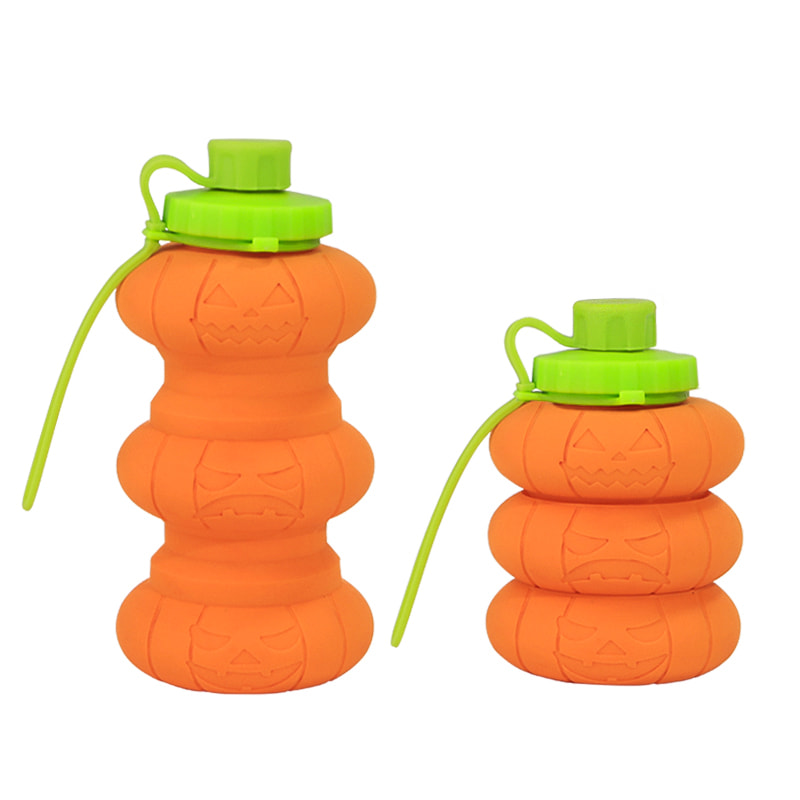
Silicone products wholesale serves as an important channel for businesses seeking flexible and durable materials. Suppliers in this segment provide a range of silicone items to retailers, manufacturers, and distributors, supporting needs in consumer goods, industrial applications, and specialized sectors. The wholesale model allows for efficient access to these products in various quantities and configurations.
Properties of Silicone Materials
Silicone handles temperature swings in a way that flexible materials simply cannot. Whether a component is sitting near a heat source or exposed to cold during regular operation, the material holds its shape and flexibility without becoming brittle or soft at the extremes. That combination of thermal range and physical consistency is what keeps silicone relevant across so many product categories — from kitchen tools to electronic seals to medical-grade components where dimensional stability under varying conditions is not optional.
The wholesale side of the silicone market reflects these properties in practical terms. Buyers sourcing at volume tend to find that silicone components hold up well against the repeatability standards that bulk orders demand — elasticity stays within spec, shape retention survives the molding process cleanly, and intricate geometries come out of tooling without the kind of warping or shrinkage that causes downstream fit problems. For manufacturers building assemblies where a silicone part needs to seat correctly every time, that consistency across a production run carries real value.
Applications in Kitchen and Household Settings
Silicone products find regular use in home kitchens through items like spatulas, baking mats, and oven mitts. The material's heat resistance allows safe interaction with hot surfaces, while flexibility supports easy handling and storage. Wholesale supply supports stores that carry everyday cooking essentials.
Household applications extend to storage lids, ice cube trays, and cleaning tools. The soft texture reduces noise during use and provides a comfortable grip. Retailers often source these items in bulk to maintain steady inventory for seasonal or year-round demand.
Wholesale Distribution and Supply Considerations
Wholesale operations typically involve bulk packaging that protects products during transit. Suppliers manage inventory across warehouses to respond to orders from different regions. This setup helps retailers and manufacturers maintain supply without frequent small orders.
Buyers often select from standard lines or request minor adjustments in color and size. The wholesale process emphasizes reliable delivery timelines and clear product specifications to support business planning.
Variations and Design Options
Silicone products come in multiple colors, from neutral tones to vibrant shades, allowing coordination with brand aesthetics. Thickness and hardness levels vary to suit specific functions, such as soft grips or firmer structural parts. Wholesale catalogs present these options to help buyers match products to end-user preferences.
Custom molding services enable production of unique shapes for private label programs. This flexibility supports businesses developing their own product lines while drawing from established silicone material properties.
Broader Market Patterns
Silicone products wholesale connects suppliers with a diverse set of buyers across regions. The material's adaptability drives steady interest from sectors that value long-term usability and functional design. Businesses continue to integrate silicone items into their offerings as they address everyday needs in homes, workplaces, and specialized applications.
The availability of these products through wholesale channels supports organized procurement for companies of different scales. From small retailers building initial stock to larger operations refreshing inventory, the system facilitates access to silicone's practical benefits.
Silicone products wholesale remains a functional part of the supply chain for versatile materials. Its role in delivering consistent items across kitchen, care, and industrial contexts helps businesses meet ongoing requirements in their respective markets.

 EN
EN English
 日本語
日本語 Español