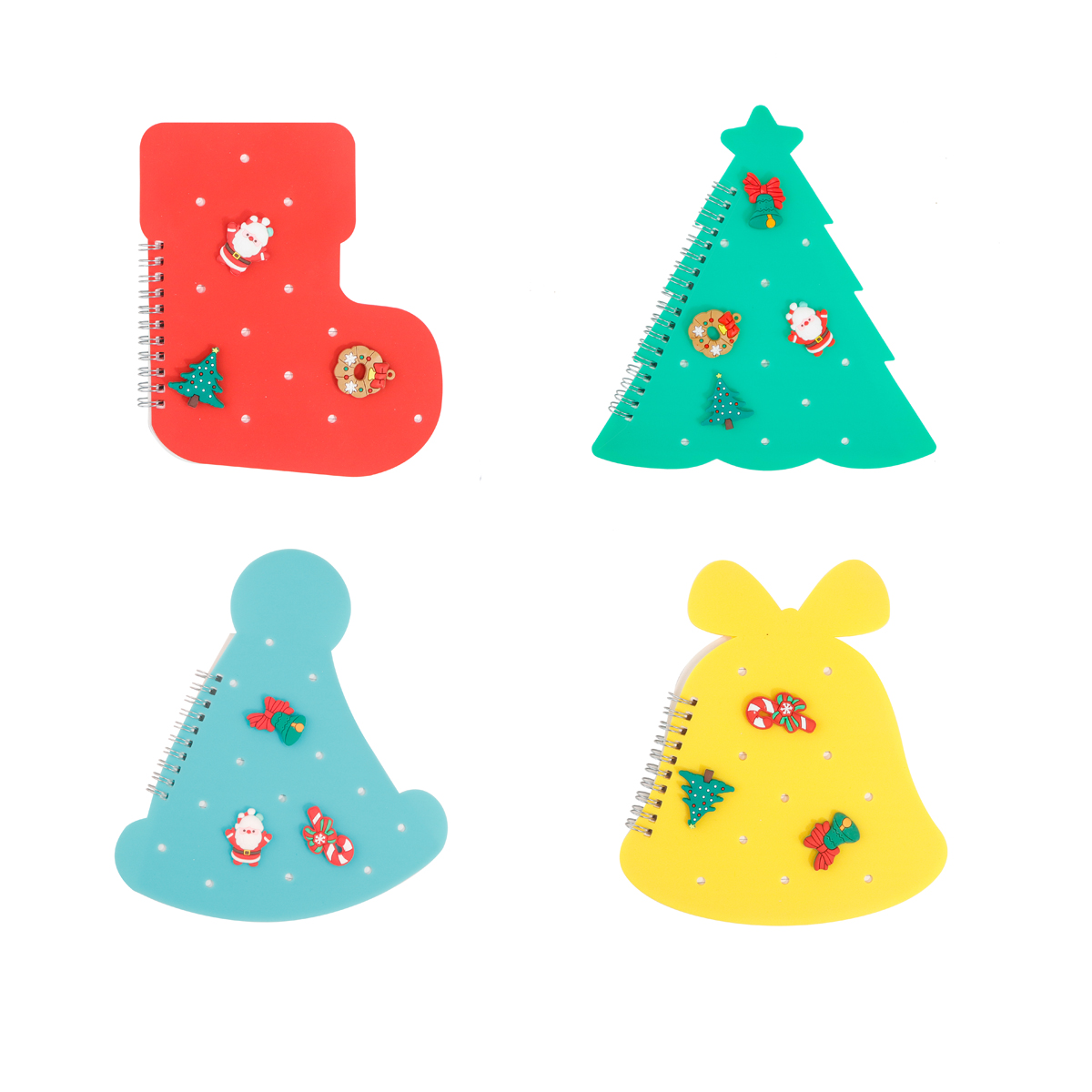
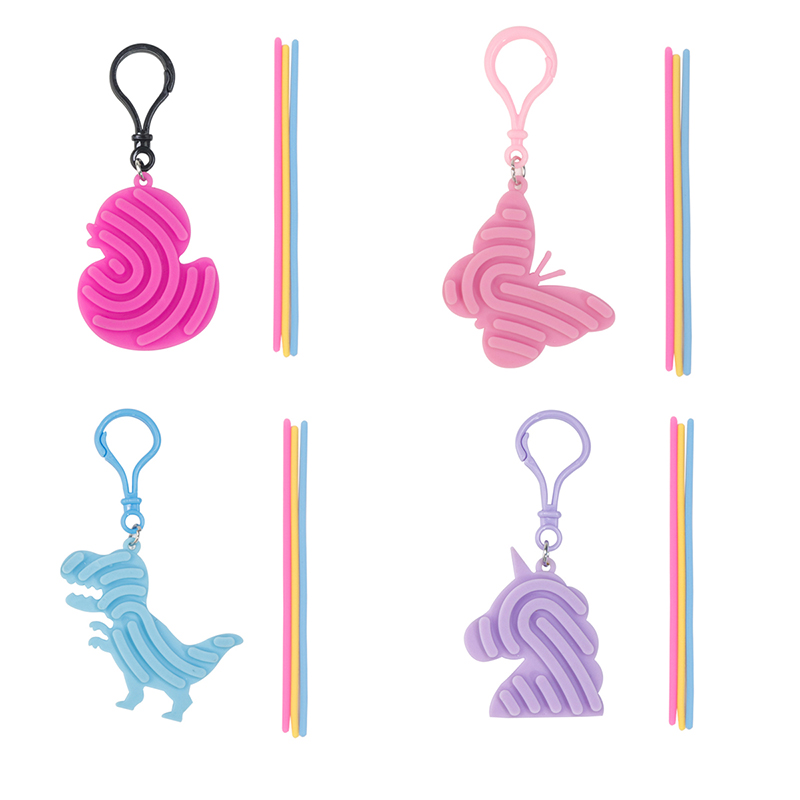
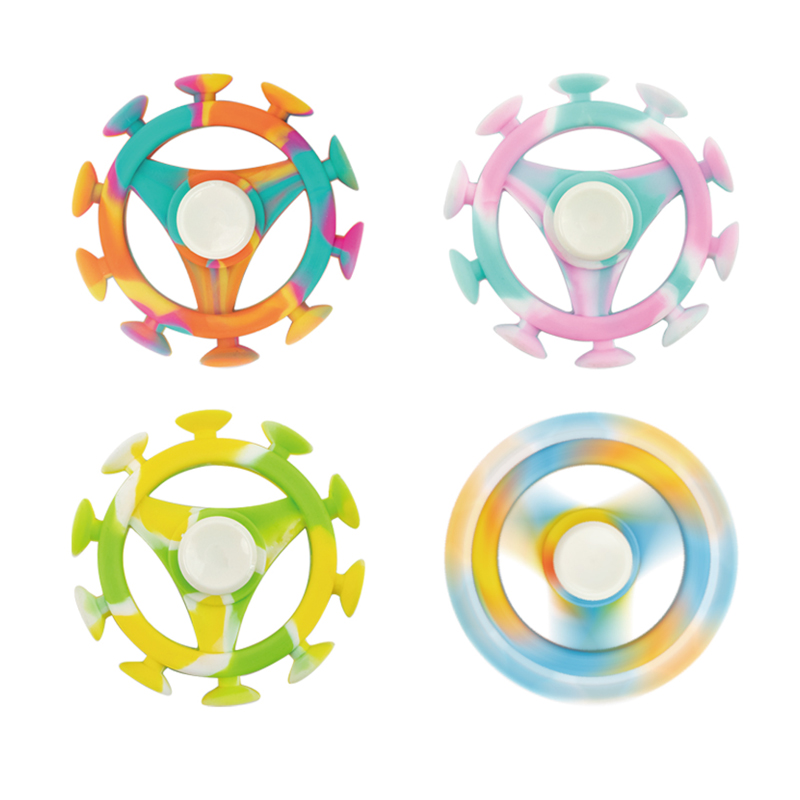
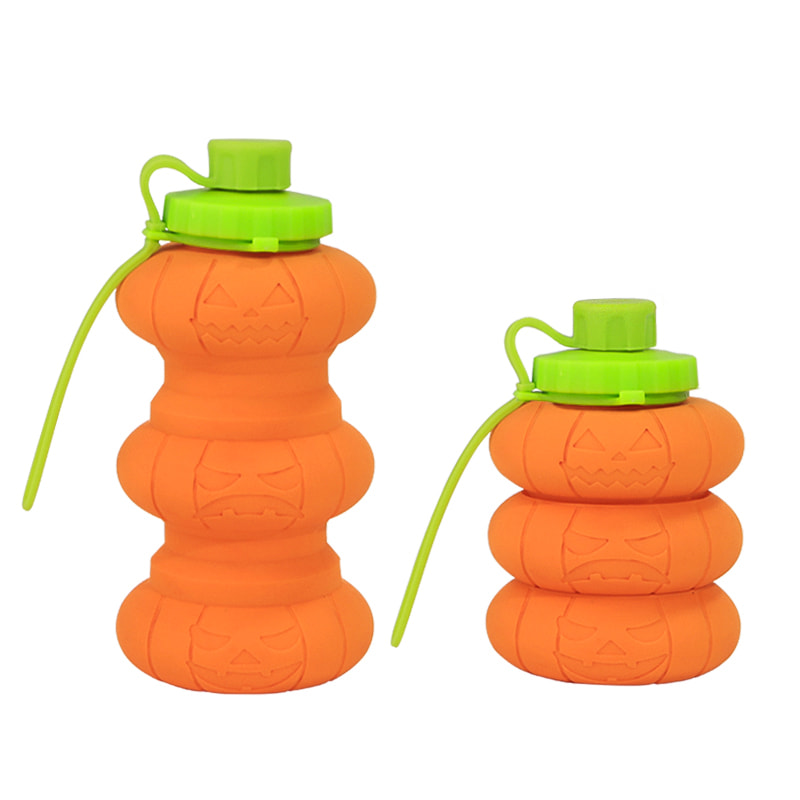
Licensed character merchandise has long occupied shelf space in toy aisles and gift shops, but the category has expanded considerably into functional everyday items. IP silicone products — goods manufactured in silicone and carrying licensed intellectual property such as cartoon characters, gaming franchises, film properties, and brand mascots — now appear across kitchenware, personal accessories, stationery, baby goods, and tech accessories. The combination of silicone's material versatility and the commercial pull of recognized IP has created a product segment with broad retail appeal and strong repeat purchase behavior.
Silicone as a base material suits licensed product manufacturing for several practical reasons. It accepts color with high fidelity, holds fine molded detail well enough to reproduce character features accurately, and maintains its shape and surface quality through regular handling. These properties matter significantly in IP product contexts, where the accuracy of a character's expression, color matching to brand standards, and consistency across production runs are all commercial requirements rather than optional refinements. Silicone also tolerates a wide temperature range, which extends its usability into kitchen and food-contact applications where other flexible plastics cannot go.
The range of product formats that IP silicone manufacturing covers has widened as both brands and manufacturers have become more comfortable with the category. Common product types in the current market include:
- Character-shaped kitchen tools such as spatulas, egg molds, ice cube trays, and food storage lids
- Silicone pouches, cardholders, and phone cases featuring printed or molded character designs
- Baby and toddler items including teethers, bibs, suction bowls, and feeding spoons
- Stationery accessories such as pen holders, bookmark clips, and cable organizers
- Wristbands, keychains, and bag charms in single-color or multi-color character forms
- Collectible figures and display pieces produced in platinum-cure silicone for detail fidelity
Brand collaboration has introduced another layer to the IP silicone product market. Rather than straightforward character licensing, some projects bring together two brands or properties in a co-branded format. A lifestyle brand partnering with an entertainment property, or a kitchenware manufacturer collaborating with a gaming franchise, produces goods that carry appeal to overlapping consumer audiences. These collaborations tend to be time-limited, which adds scarcity value and drives purchase urgency in retail and online channels.
Color consistency across production batches is a technical requirement that distinguishes IP silicone manufacturing from general silicone goods production. Rights holders typically specify Pantone references or proprietary color codes that must be matched within defined tolerances. Achieving this in silicone requires careful pigment formulation and process control, particularly for multi-color products where colors are either overmolded in sequence or applied through secondary decoration processes. Buyers sourcing IP silicone products for retail should request color-matched samples against official brand references before approving production runs.
Mold complexity in IP silicone products varies considerably depending on the character design. Simple flat or low-relief character elements can be produced in straightforward two-part molds. More dimensional character forms — particularly collectible figures or items where character features appear on multiple faces of the product — require multi-part molds and more involved demolding processes. The mold investment for a fully realized character figure in silicone is substantially higher than for a flat badge or simple charm, and this cost is typically amortized across the licensed production volume agreed with the rights holder.

 EN
EN English
 日本語
日本語 Español