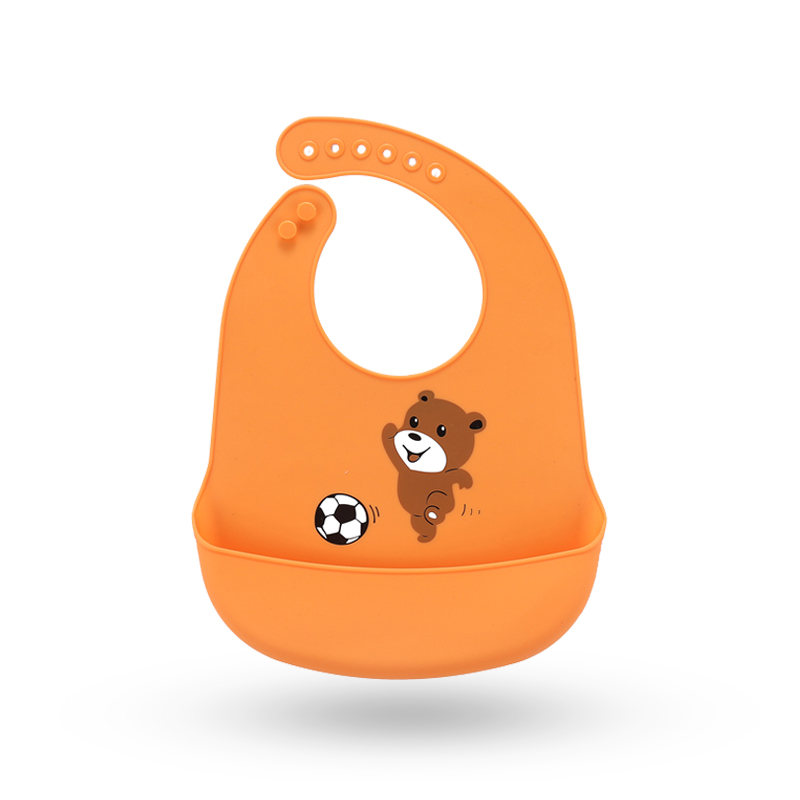
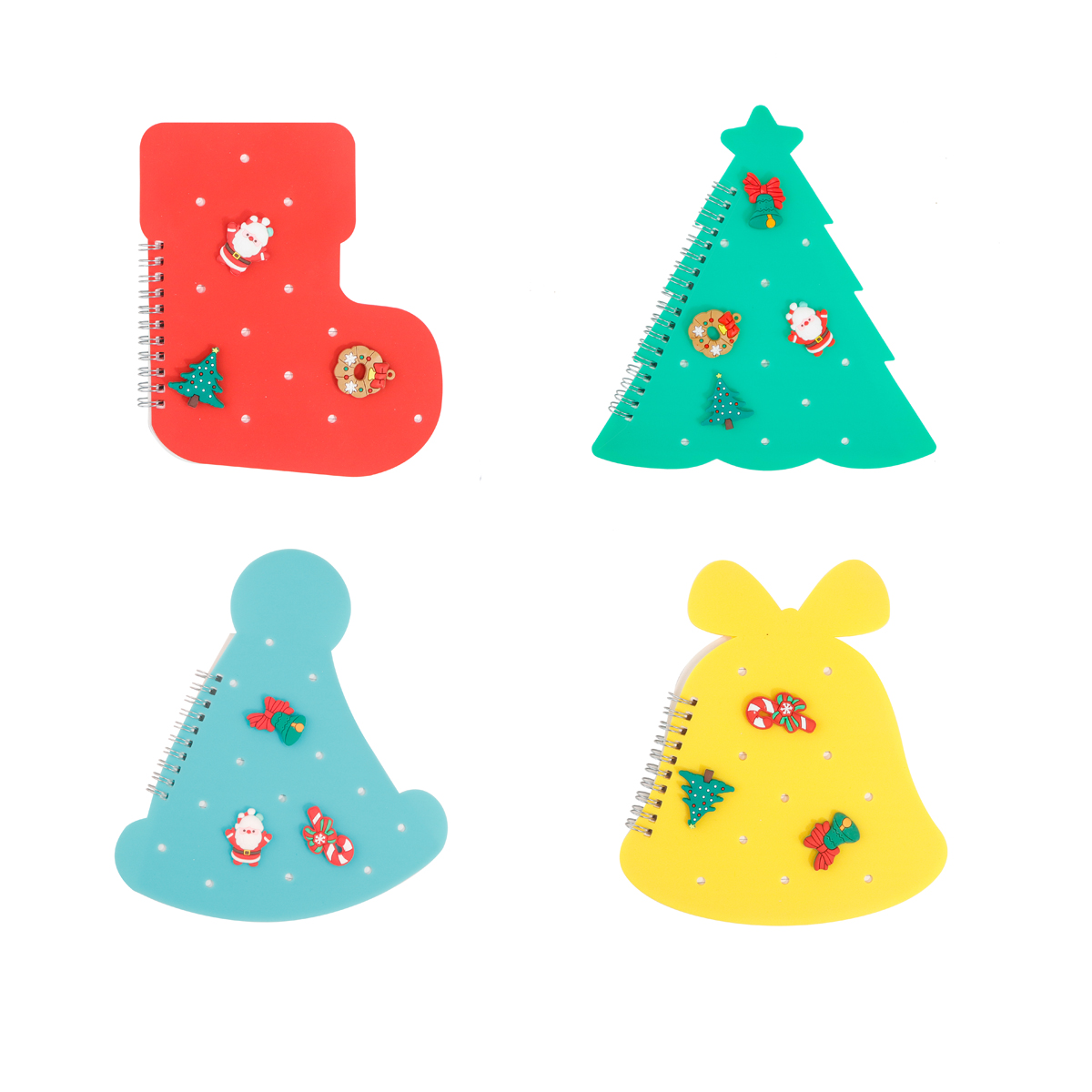
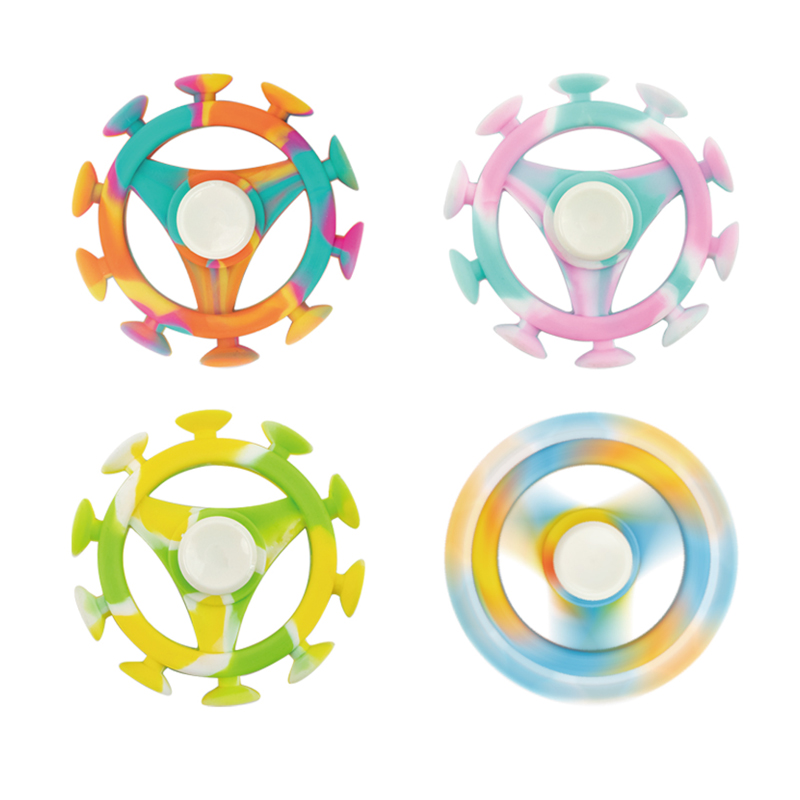
Silicone craft supplies have become a common choice for many individuals engaged in various crafting activities. These materials offer flexibility and durability, making them suitable for a range of projects. As interest in hands-on creative work continues to grow, silicone options appear more frequently in workshops and online discussions among hobbyists.
Understanding Silicone Craft Supplies
Silicone craft supplies refer to a group of materials based on silicone compounds, often used in molding, shaping, and forming items. Available in forms such as liquids, putties, and sheets, these supplies allow users to create impressions or replicas with relative ease. The material sets at room temperature in many cases, which supports steady progress in crafting sessions without specialized heating equipment.
Many suppliers provide silicone in different consistencies, from thinner versions for detailed work to thicker ones for larger structures. This variety helps accommodate different preferences among users. Silicone craft supplies are known for their ability to capture fine details, which supports accurate reproduction of shapes and textures.
Factors Contributing to Popularity
The adaptability of silicone craft supplies has drawn attention from a wide audience. Hobbyists appreciate the material's resistance to tearing in many formulations, which can reduce the chance of damage during demolding. Additionally, the ability to release from various surfaces without additional agents in some cases simplifies the workflow.
Communities focused on handmade items frequently share experiences with silicone supplies through forums and social media groups. This exchange of information has helped spread awareness of techniques and combinations with other materials like polymer clay or plaster. The reusable nature of many silicone molds also aligns with ongoing interest in practical crafting tools.
Selecting Silicone Craft Supplies
When considering silicone craft supplies, attention to working time and cure time can guide decisions. Products with extended working times allow more opportunity for positioning elements before the material begins to firm up. Cure times vary, with some options ready for use within hours and others requiring a full day.
Users often look for supplies that maintain stability across typical room temperatures. Packaging that includes clear instructions supports smoother experiences for those new to the material. Compatibility with pigments or additives is another aspect that receives consideration, as it enables customization of colors and effects.
Techniques for Working with Silicone
Basic techniques for silicone craft supplies include proper mixing to avoid air bubbles, which can affect the final surface. Many users employ stirring methods that minimize incorporation of excess air. Degassing with simple tools or vibration can further improve clarity in cast pieces.
Layering approaches are common when building thickness gradually. This method helps control the overall form and reduces waste. Storage recommendations typically involve keeping unused portions in sealed containers to extend usability over time.
Maintaining Consistency in Projects
Achieving consistent results with silicone craft supplies often involves attention to measurement ratios. Many products require specific mix proportions by weight or volume, and following these guidelines closely supports predictable performance. Temperature of the workspace can influence setting times, so moderate conditions are generally preferred.
Testing small batches before committing to larger pours allows users to become familiar with a particular product's behavior. This practice is common among those who regularly incorporate silicone into their routines.

 EN
EN English
 日本語
日本語 Español