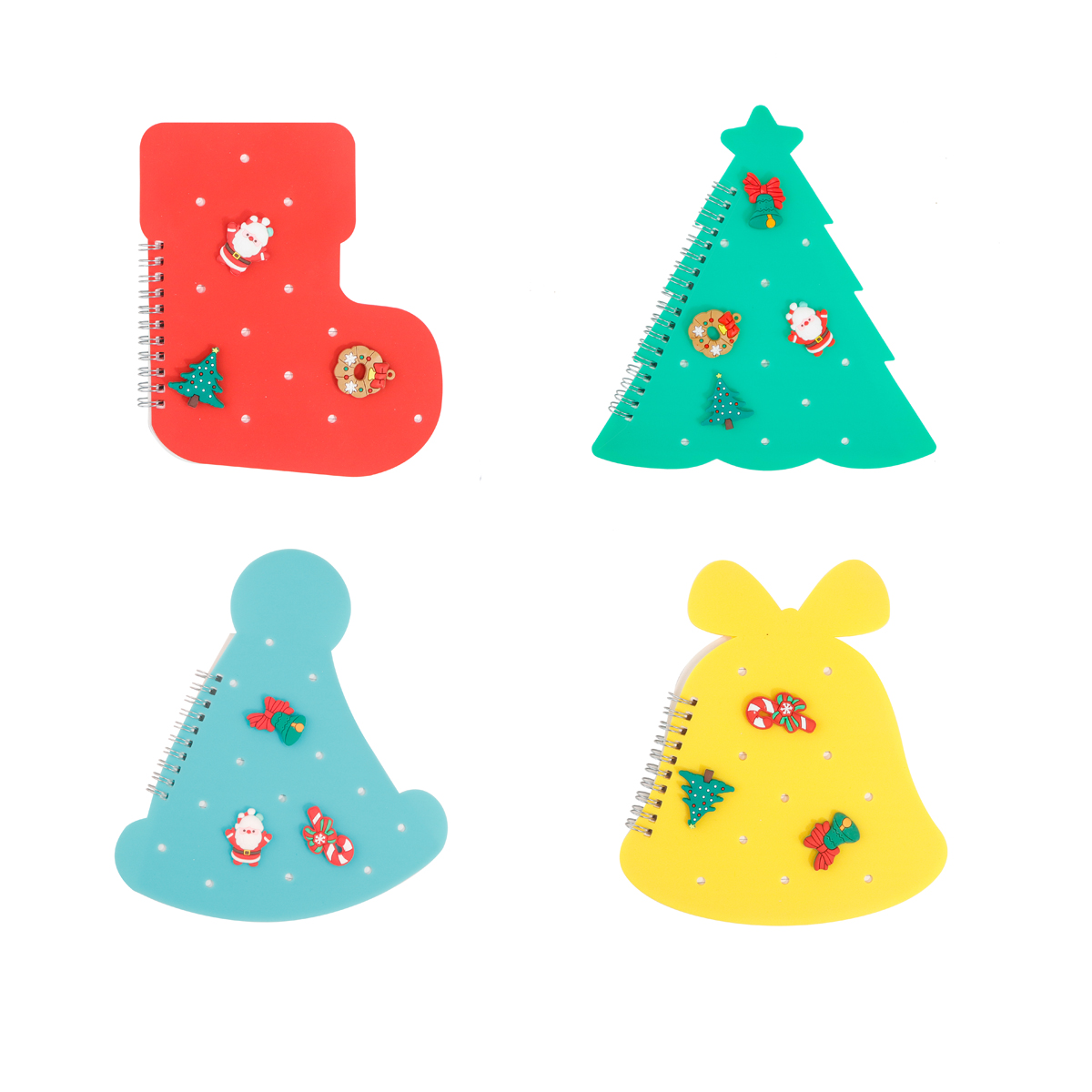
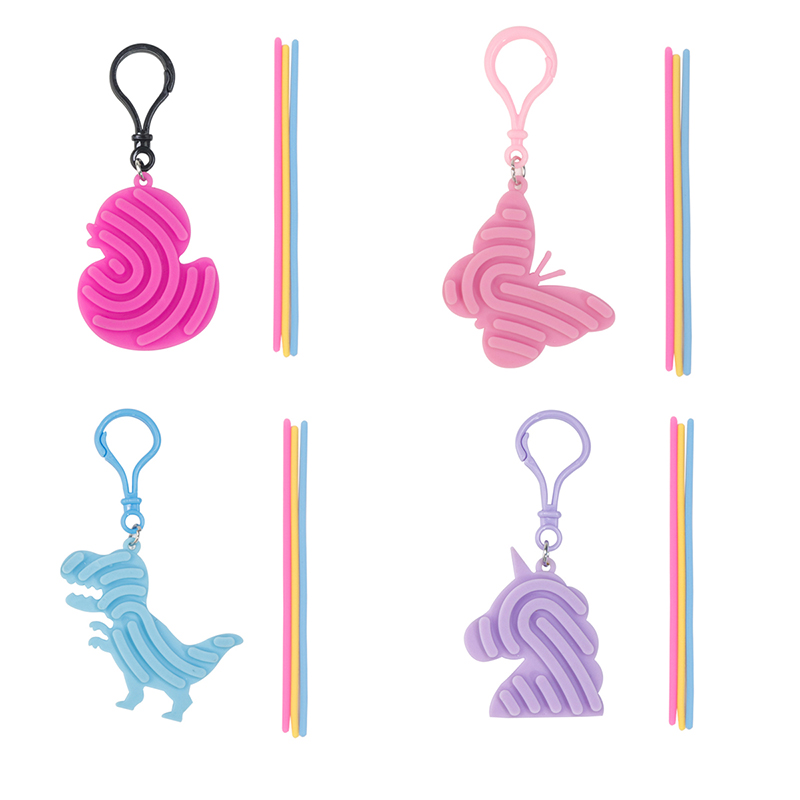
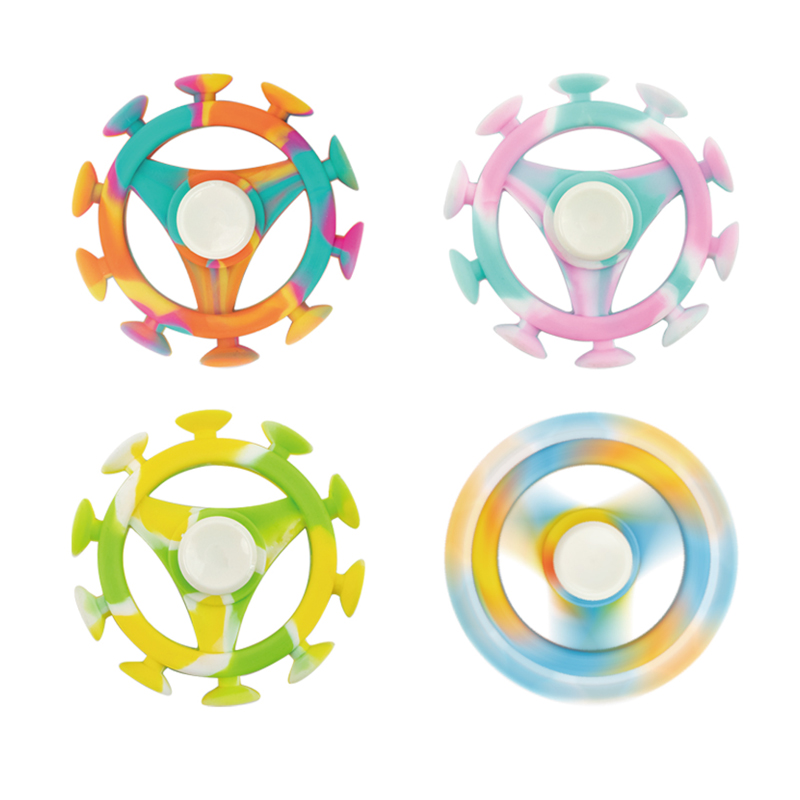
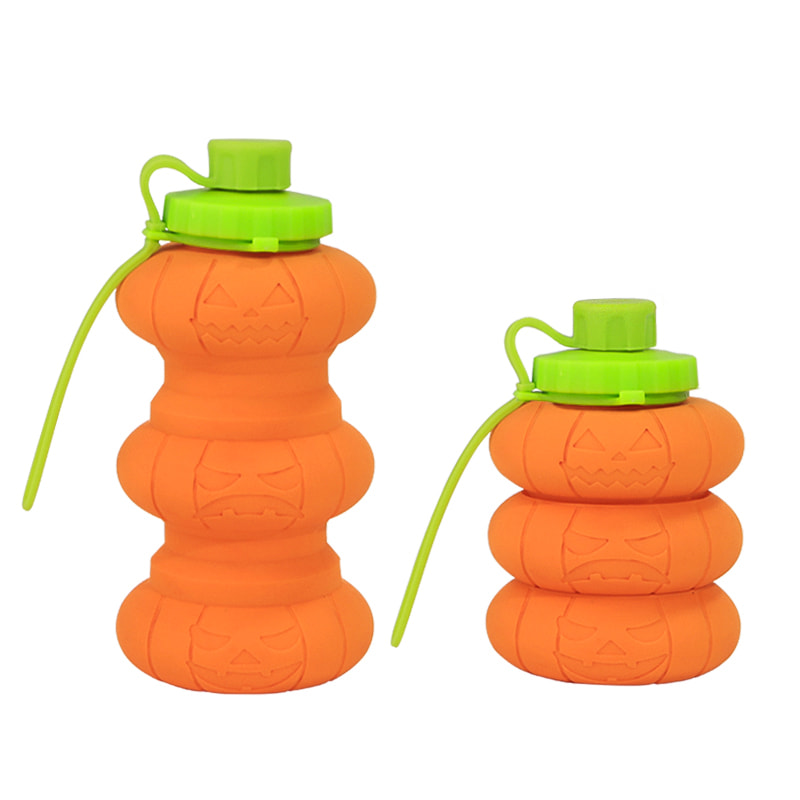
The global toy industry continues to introduce products made from a wide range of materials, and the Silicone Toy has become an important category for manufacturers serving educational, novelty, sensory, and promotional markets. Buyers are paying closer attention to production quality, material consistency, customization options, and supply capability as product collections become more diverse.
Compared with many traditional materials, silicone offers flexibility, shape stability, and a pleasant touch. These characteristics allow manufacturers to create toys with different textures, colors, and structural designs while supporting both small and large production programs.
Material Selection Influences Product Performance
Every Silicone Toy begins with selecting the appropriate silicone compound for the intended product design. Different hardness levels, elasticity, and color formulations allow manufacturers to create products ranging from soft squeeze toys to structured building pieces and interactive sensory items.
Liquid silicone rubber (LSR) and solid silicone rubber are commonly used depending on production requirements. LSR is often selected for automated injection molding because it supports consistent filling of detailed molds. Solid silicone rubber is frequently used in compression molding for products with simpler structures or larger dimensions.
When evaluating materials, manufacturers generally consider:
- Hardness range
- Tear resistance
- Flexibility
- Surface texture
- Color consistency
- Dimensional stability
- Molding efficiency
Choosing suitable materials at the beginning of production helps maintain consistency throughout manufacturing and reduces unnecessary process adjustments.
Production Combines Precision and Efficiency
The manufacturing process for a Silicone Toy includes several carefully controlled stages. Product appearance and dimensional accuracy depend on mold quality, material preparation, curing conditions, and finishing operations.
Tooling engineers develop molds based on three-dimensional product drawings. CNC machining and electrical discharge machining are commonly used to produce detailed mold cavities capable of repeating complex shapes across large production volumes.
During molding, silicone material is injected or compressed into the mold under controlled temperature and pressure. After curing, products are removed from the mold, trimmed, cleaned, and inspected before packaging.
Typical production stages include:
| Production Stage |
Main Function |
| Mold machining |
Create production tooling |
| Material mixing |
Prepare silicone compound |
| Molding process |
Form product shape |
| Flash trimming |
Remove excess material |
| Surface inspection |
Check appearance |
| Final packaging |
Prepare shipment |
Stable production procedures help manufacturers deliver consistent products across repeated production batches, an important consideration for OEM customers managing multiple product lines.
Silicone Toy Applications
The Silicone Toy category covers a broad range of commercial products serving different industries and customer groups. Manufacturers often develop product collections that can be adapted for seasonal promotions, educational activities, retail brands, and corporate marketing projects.
Common applications include:
- Sensory toys
- Educational learning toys
- Building and stacking toys
- Bath toys
- Promotional giveaway products
- Character collectibles
- Desk toys
- Children's activity products
Many OEM buyers request customized shapes that reflect their own brand identity. Animal figures, cartoon characters, geometric designs, and themed collections remain popular because silicone can reproduce detailed mold features with consistent results.
The material also allows designers to combine different colors in a single product, expanding creative possibilities without significantly changing the production process.
Customization Becomes an Important Purchasing Factor
For B2B buyers, selecting a Silicone Toy supplier often depends on engineering support and customization capability rather than simply reviewing catalog products.
Many manufacturers provide complete OEM and ODM services, allowing customers to develop products from concept sketches, CAD files, or physical samples. Early collaboration between designers and mold engineers helps shorten development time and improve manufacturability.
Frequently requested customization options include:
- Custom product shapes
- Company logos
- Mixed color combinations
- Surface textures
- Product sizes
- Packaging styles
- Private label production
Prototype development is another valuable service during new product launches. Sample evaluation allows buyers to review appearance, dimensions, and functionality before moving into larger production quantities.

 EN
EN English
 日本語
日本語 Español