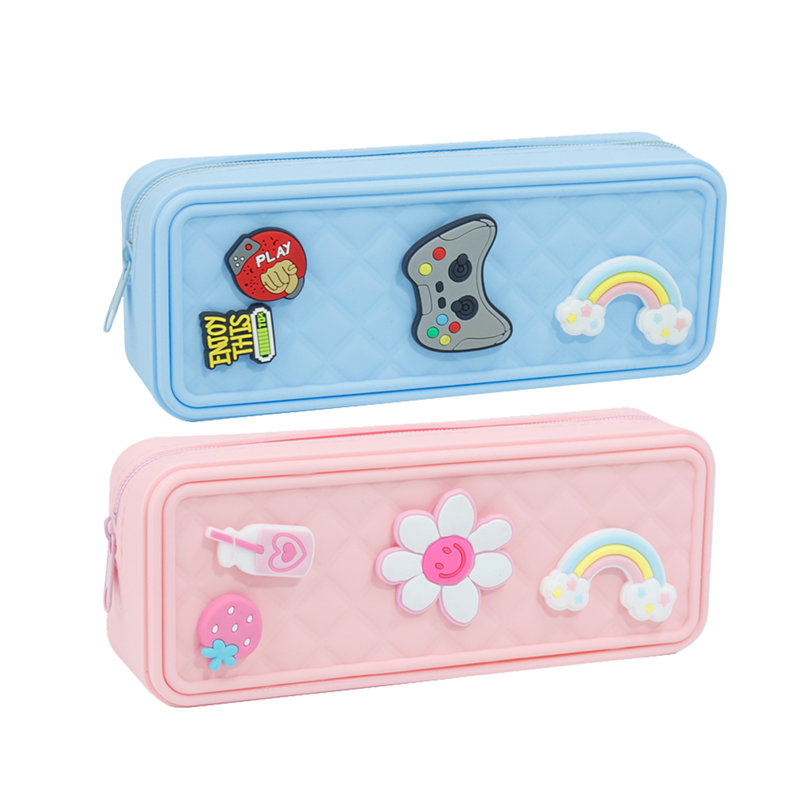
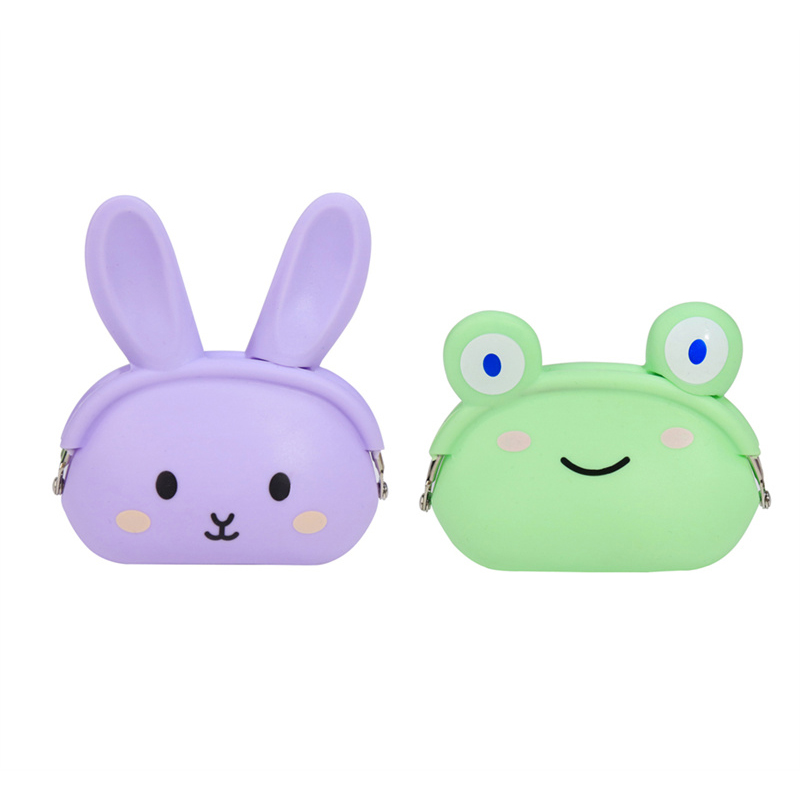
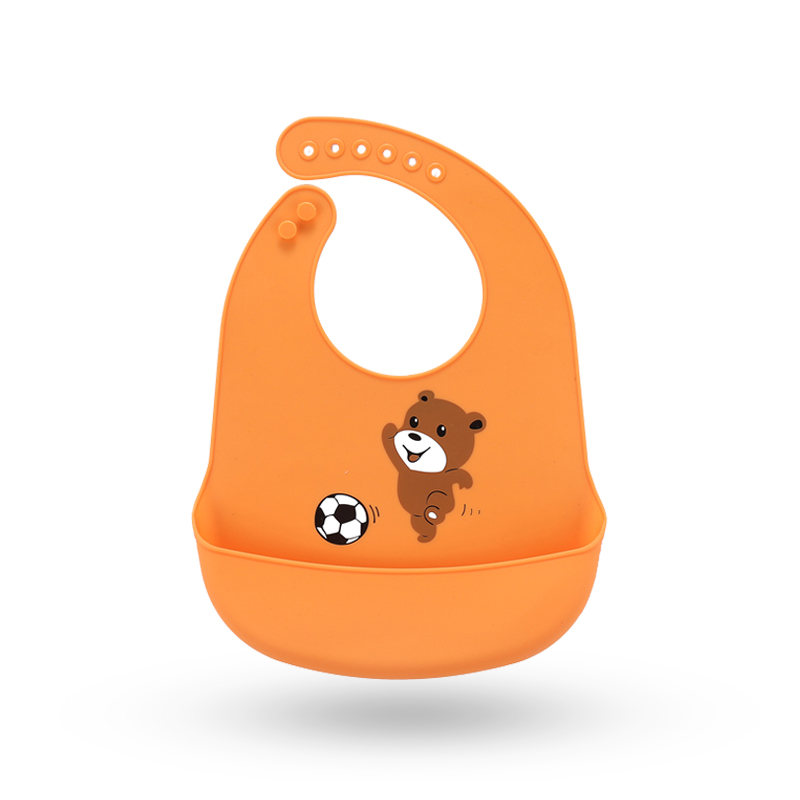
A few years back, Silicone Household Products were mostly known for one thing: the flexible baking mat that replaced parchment paper. Now this category has turned into something closer to a whole segment unto itself, sitting in drawers next to metal utensils and plastic containers, quietly taking over more territory than people notice until they actually count how many silicone items they own.
The Buyers Behind the Trend
Three groups tend to drive reorders in this category, and they don't always overlap. Home cooks who bake often want mats, molds, and spatulas that survive years of oven cycles without cracking. Parents shopping for feeding supplies gravitate toward silicone because it's easy to wipe clean and doesn't hold onto food residue the way some plastics do. Then there's a smaller but steady group of buyers actively trying to cut down on single-use plastic in their kitchens, who pick up silicone storage bags and stretch lids specifically as a swap-out product. Distributors serving general housewares retailers usually end up stocking for all three groups at once rather than picking one.
Where Quality Control Actually Breaks Down
Here's something that doesn't come up enough in sourcing conversations: silicone quality problems rarely show up in a single bad unit. They show up as a pattern across a batch. A factory with an uneven curing process might produce products that pass individual inspection but feel noticeably stiffer or softer once a customer compares five units side by side. That's a harder problem to catch than an obvious defect, and it's part of why sample testing across multiple units — not just one — has become standard practice for buyers who've been burned before.
Two things worth checking before placing a bulk order:
- Whether the supplier tests flexibility and firmness across multiple units from the same batch, not just one representative sample
- How the factory handles odor testing, since silicone that hasn't fully cured can retain a faint smell that only becomes obvious after a customer starts using it at home
What Tends to Separate a Good Supplier From an Adequate One
Distributors who've sourced this category for a while tend to describe the difference less in terms of price and more in terms of predictability. A supplier who flags a pigment inconsistency before shipping, rather than after a customer complains, saves a distributor from having to manage that fallout downstream.
Buyers also mention communication around times as a recurring factor — silicone curing takes a fixed amount of time that can't really be rushed, so factories that give realistic timelines upfront tend to keep clients longer than those that promise faster turnaround and then miss it.
Frequently Asked Questions
Why do some silicone products feel stiffer than others even within the same product line?
This usually comes down to curing consistency during manufacturing rather than a difference in the base material itself.
Are silicone kitchen tools interchangeable with silicone storage products in terms of sourcing?
Not entirely — different subtypes often call for different manufacturing specializations, so buyers benefit from confirming a supplier's specific production strengths.
Does silicone color affect how well the product performs?
Generally no, color is mostly aesthetic, though buyers sourcing Silicone Household Products should still confirm pigment consistency and staining resistance for products exposed to strongly colored foods.

 EN
EN English
 日本語
日本語 Español