Why Silicone Is Showing Up Everywhere
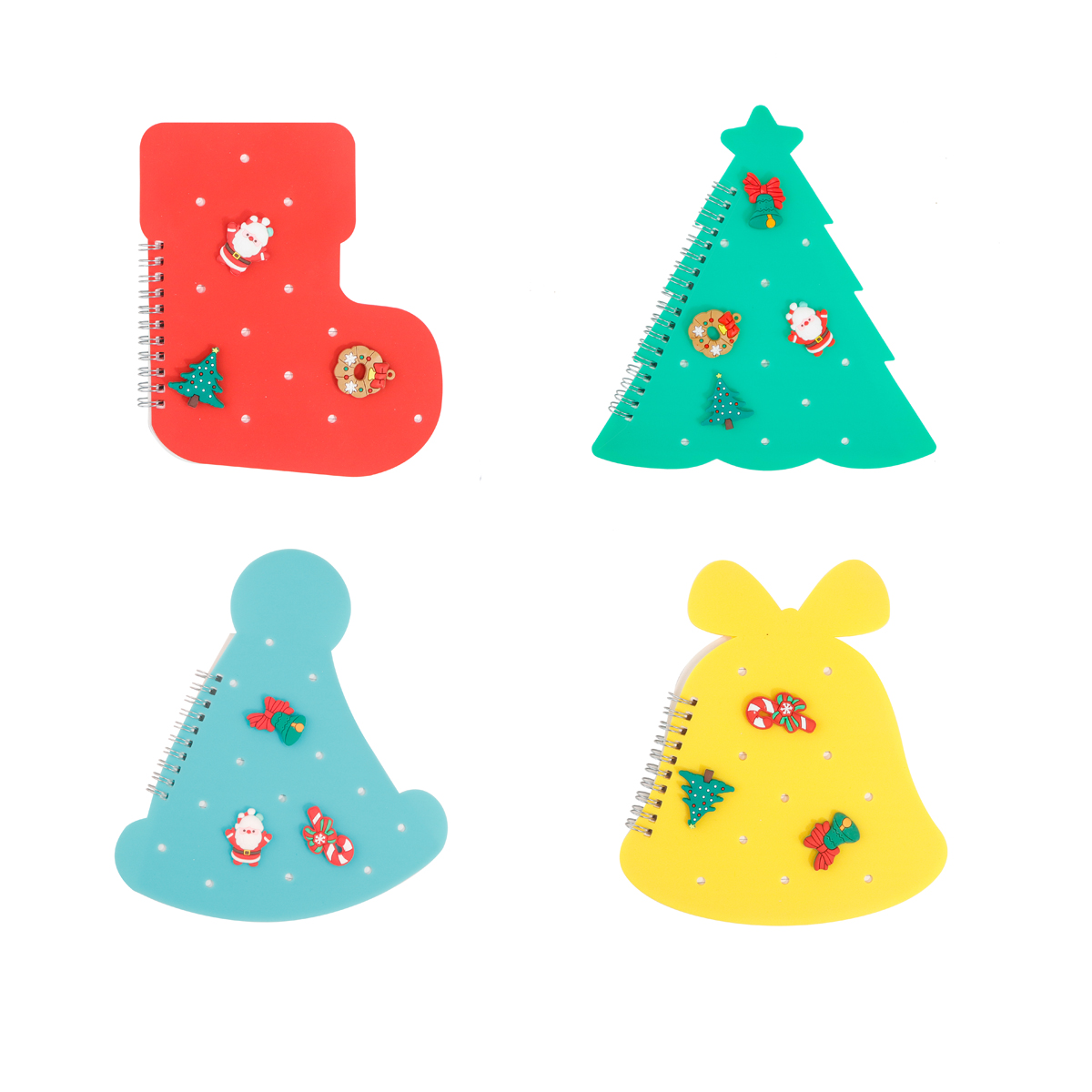
Silicone stationery covers a wide range of products — pencil pouches, desk mats, cable organizers, phone stands, and even flexible rulers. The material's appeal comes down to a few practical traits: it flexes without snapping, it doesn't crack the way rigid plastic does after repeated use, and it comes in a wide spectrum of colors that stay vibrant over time. For manufacturers, this means fewer complaints about broken zippers or split seams, which are common pain points in traditional stationery lines.
Buyers sourcing for retail or promotional use often mention texture as a selling point too. Silicone has a soft, slightly grippy feel that plastic and canvas alternatives don't replicate easily. That tactile difference matters more than it might seem — it's often the detail that makes a customer pick one pencil case over another sitting right next to it on a shelf.
What OEM and Private Label Buyers Are Asking
Sourcing teams building out a silicone stationery line tend to ask a consistent set of questions early in the process. Can the silicone be molded into custom shapes for a specific brand identity? What color range is available without requiring a full production run for each shade? Can logos be embossed directly into the material rather than printed on top, where they might wear off faster?
These questions come up because silicone offers more manufacturing flexibility than older materials. A single mold can often produce multiple color variants, which helps distributors offer a fuller product range without juggling separate tooling costs for each item. Buyers focused on private label branding tend to view this flexibility as one of the more useful aspects of working with the material.
Comparing Silicone to Traditional Materials
Compared to canvas, nylon, or hard plastic, silicone stationery tends to hold its shape differently under stress. A silicone pencil case can be squeezed flat and will spring back, while a hard plastic case might dent or crack under similar pressure. Canvas pouches, by contrast, tend to absorb stains and show wear along stitched seams faster than a single-piece silicone mold would.
This isn't to say silicone replaces every material in the stationery category — canvas still has a place for buyers wanting a more textile-forward aesthetic, and hard plastic remains common in structured cases meant to protect fragile contents like drawing tools. Silicone tends to fill a specific niche: soft-sided, colorful, and built for everyday handling rather than heavy protection.
What This Means for Bulk Buyers
For wholesale distributors and OEM buyers, silicone stationery represents a category that's grown steadily without needing constant reinvention. The material itself does a lot of the design work, since color and shape variety come built in through the molding process rather than requiring extensive customization after the fact.
Buyers evaluating suppliers often request samples across a few different item types — a pencil case, a desk organizer, maybe a phone stand — to get a feel for consistency in texture and color matching across a supplier's full catalog. That consistency, more than any single feature, tends to be what separates a reliable silicone stationery supplier from one that's still working out production kinks.
As classroom and office supply trends continue shifting toward softer, more colorful accessories, silicone stationery has settled into a steady spot in the broader stationery market — one that distributors keep coming back to when building out a season's product lineup.

 EN
EN English
 日本語
日本語 Español