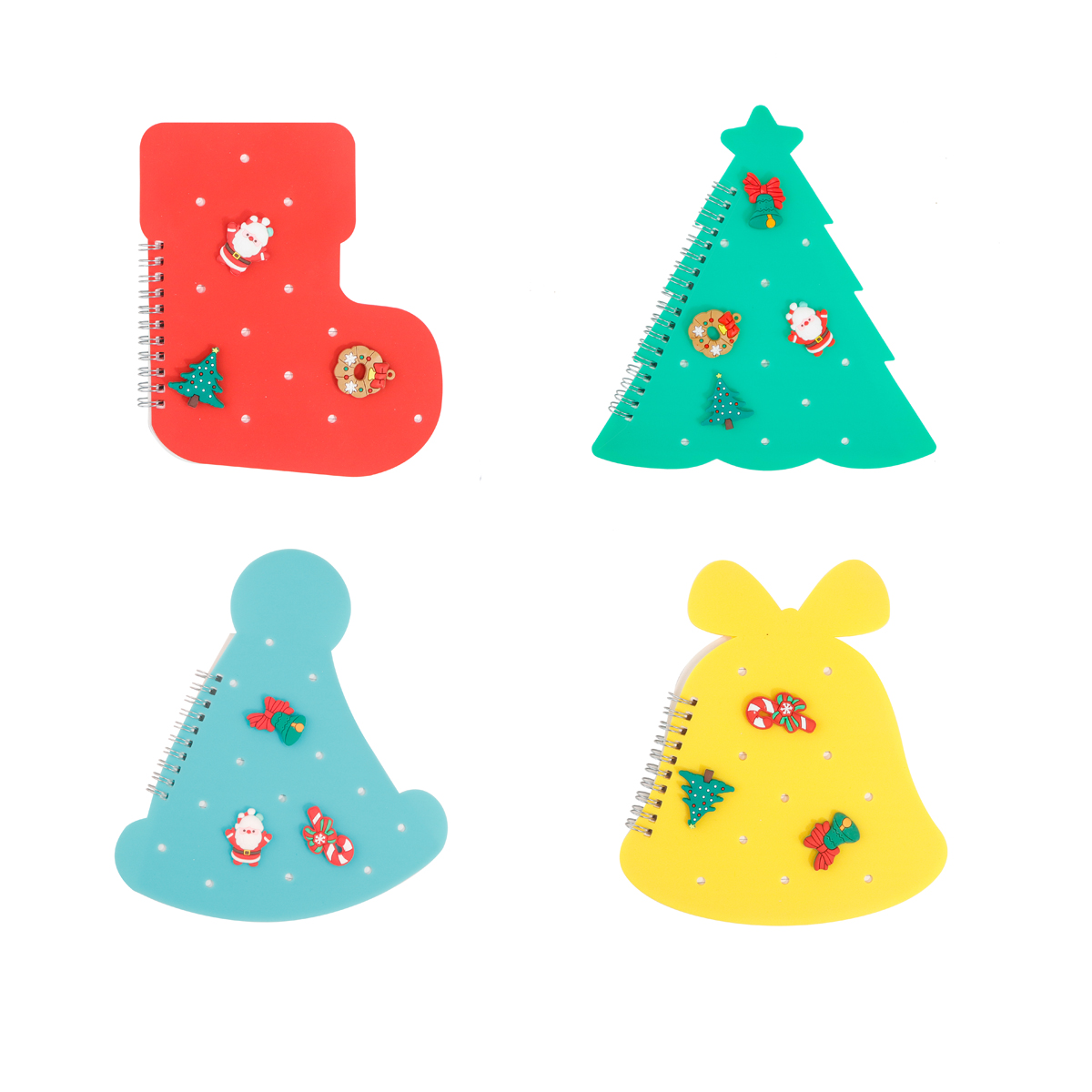
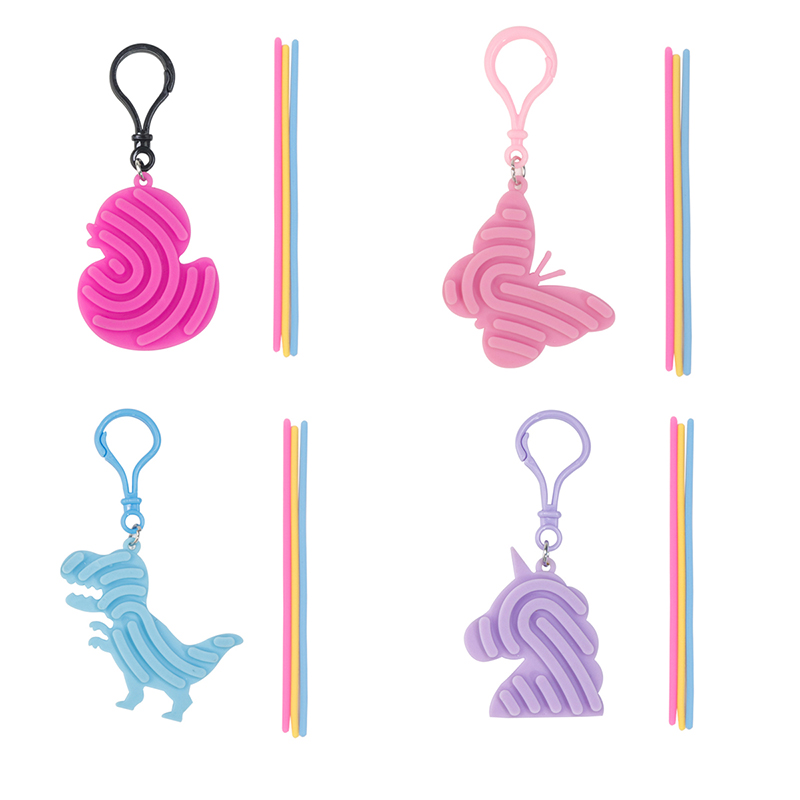
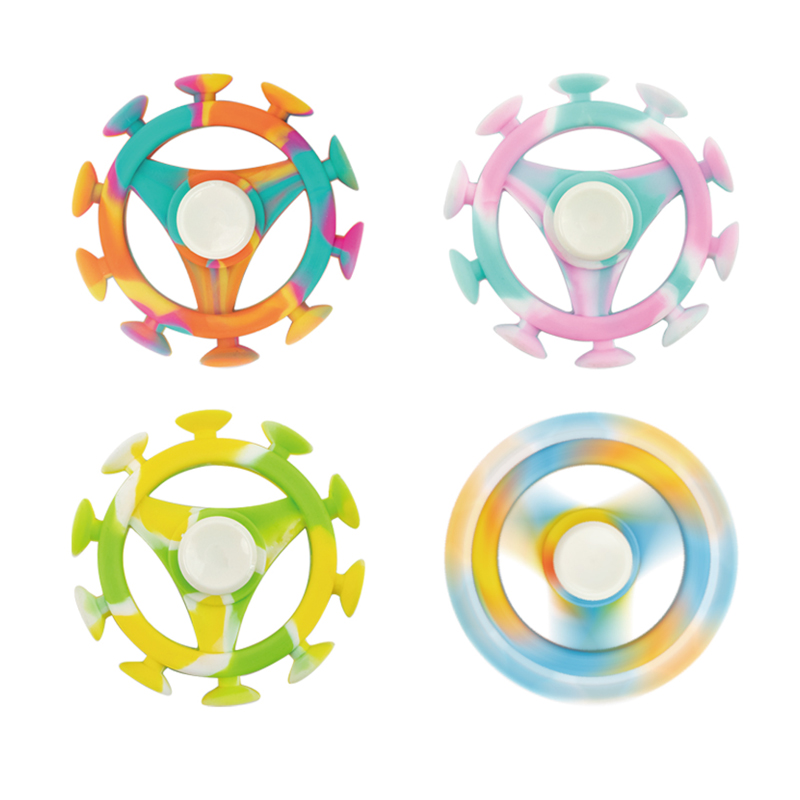
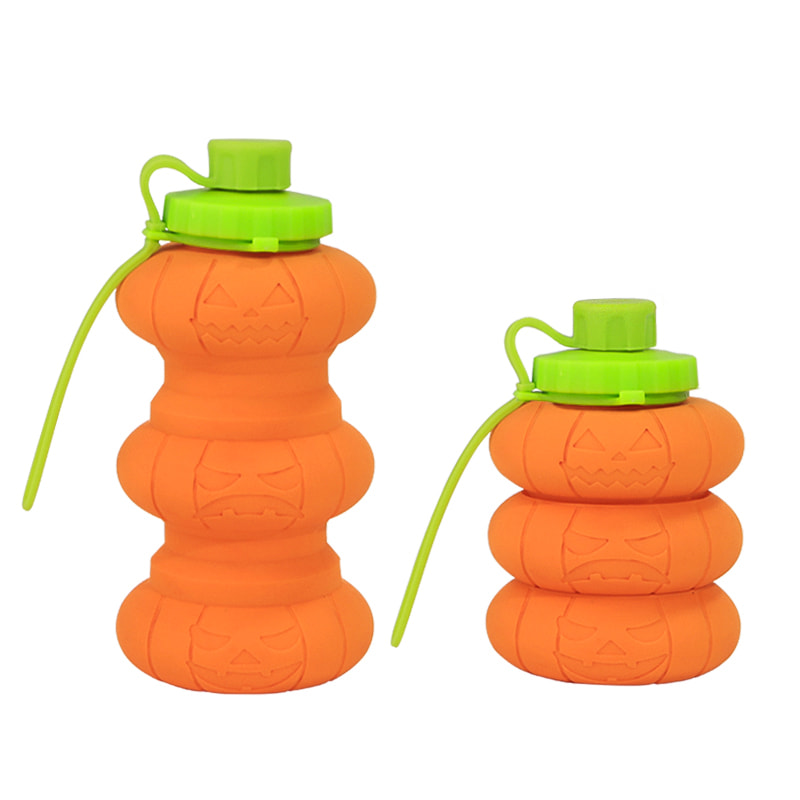
These days you see silicone stationery showing up more and more in the kinds of things people use to hold pens, organize desks, or carry small supplies around. It started as something niche a while back, but now it’s fairly common in school bags, office drawers, and even on people’s home work tables. The shift makes sense when you think about what folks actually want from stationery nowadays:
- something that lasts longer than the cheap options
- handles a bit of rough treatment
- looks decent sitting out on a desk
- doesn’t feel like just another plastic throwaway.
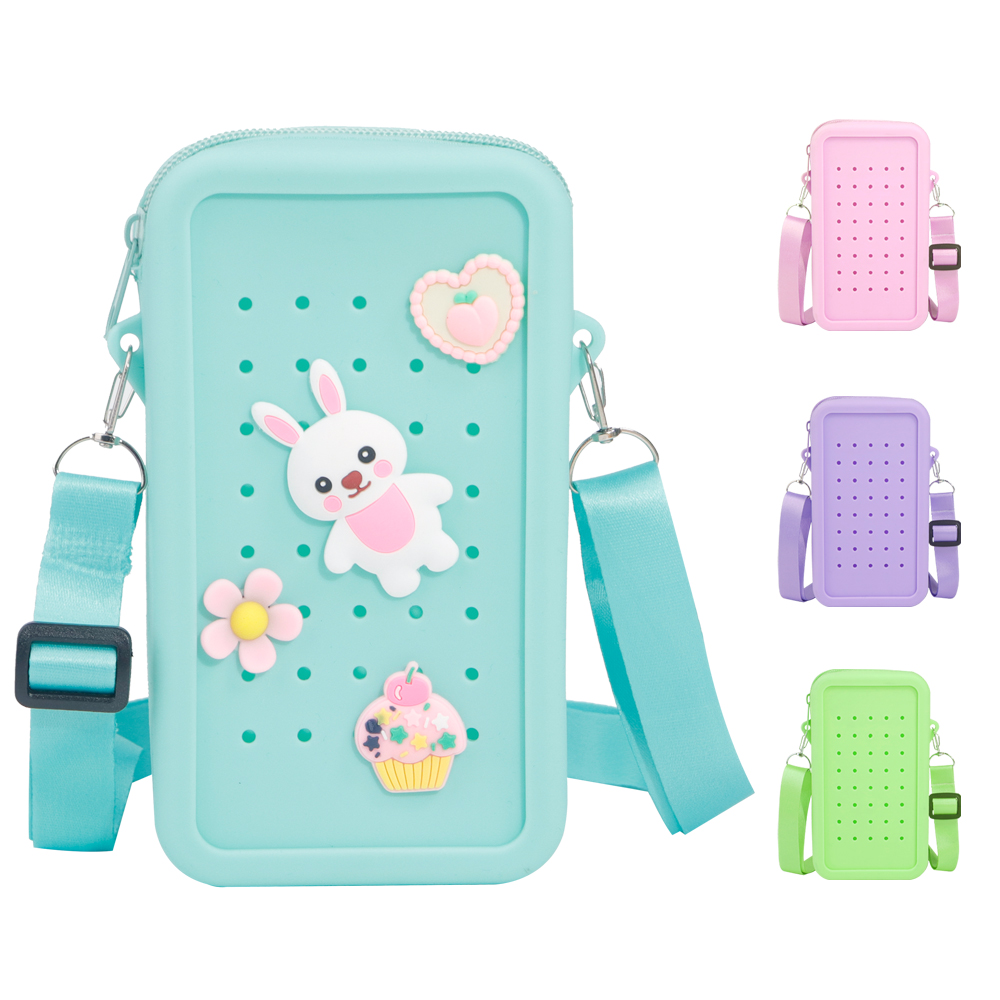
Why Pen Cases and Pouches Made of Silicone Catch On
If you walk through any stationery aisle or scroll online shops, the silicone pencil cases and pen pouches tend to stand out because they feel different in the hand right away. They’re soft but sturdy at the same time. Fabric ones can fray at the seams after a semester or two, and the thin hard-plastic zipper bags crack or split if you stuff them too full. Silicone doesn’t do that as easily. It bends without breaking, snaps back into shape, and generally survives being shoved into a backpack day after day or carried back and forth between home and the office.
People mention the water-resistant side quite a bit too. Coffee spills on a desk, a water bottle leaking in a bag, rain getting into a school satchel—those little accidents happen. With silicone the surface just wipes clean, and the contents usually stay dry. That’s practical in places like shared study rooms, libraries, or coworking areas where things get messy.
Then there’s the stretch factor. You can pack in ten pens one day, maybe add a couple of markers and an eraser the next, and the case adjusts without looking overstuffed or losing its form. Some versions come with little built-in sections—maybe a mesh pocket for small items or molded slots that keep gel pens from rolling around. Nothing overly complicated, just enough to make sorting feel effortless.
It’s not only about pens anymore either. Plenty of these pouches end up holding earbuds, charging cables, lip balm, or even functioning as a slim makeup bag on the go. That crossover use seems to be part of why they keep selling—people like when one item pulls double duty without feeling gimmicky.
What Goes Into the Look and Feel
Designers have a lot to play with because silicone molds easily and takes textures well. You end up with cases that have a slight give when you squeeze them, or a matte finish that doesn’t show fingerprints the way glossy plastic does. Colors run the gamut: quiet grays and beiges for someone who wants their desk to look calm and professional, softer pastels that match a planner collection, or brighter pops like coral or mint that make opening your bag a little more cheerful.
Shapes follow suit. For younger users—middle school through college—there are versions shaped roughly like cats, strawberries, clouds, or just gently rounded blobs with no sharp edges. They’re fun without being cartoonish. For people in offices or older students who prefer things understated, you get straight-edged rectangles, slim wallet-like profiles, or simple cylinders that sit neatly beside a laptop.
Little surface details add up too. Some have faint honeycomb patterns or wave lines that give extra grip when your hands are clammy from a long note-taking session. Others feel almost velvety. It’s those small tactile things that make you reach for the case more willingly instead of digging through a jumble in your bag.
All of this fits into how people arrange their spaces now. Desks aren’t just work surfaces anymore; lots of folks photograph them for social media or just like seeing everything coordinated. A silicone case left out in the open—maybe color-matched to a notebook or mouse pad—helps pull the whole setup together without much effort.
Where It Sits Among Broader Trends
Looking at what’s happening in the stationery world overall, silicone pieces slot in nicely with a few ongoing patterns. There’s strong interest in things that feel worthwhile—durable enough that you aren’t replacing them every few months. Silicone tends to hold up better than many alternatives, so even if it costs a dollar or two more upfront, the math works out for people who keep supplies for years.
Sustainability comes into the conversation too. While no material is perfect, the fact that silicone lasts and can be wiped down instead of tossed after one stain appeals to buyers trying to cut back on waste. It isn’t marketed as “eco” everywhere, but the longer lifespan helps the perception.
Multi-function keeps coming up as well. Beyond basic pouches you see silicone pen cups that also hold phone stands, cable organizers that wrap around chargers, or flat trays that corral paperclips, sticky notes, and a small plant pot. Fewer separate items mean less clutter, which matters when desk space is tight.
And there’s that blending with personal items. Some silicone bags have longer straps so they can go over a shoulder for commuting; others are sized to slip into a tote alongside a tablet. That kind of versatility matches how schedules mix school, work, errands, and downtime these days.
Social Media’s Part in Spreading the Word
A good portion of the visibility comes from platforms where people post pictures of their setups. You’ll see threads or reels showing a clean desk with matching silicone accessories, close shots of a textured pouch unzipped to reveal neatly arranged highlighters, or quick tips on fitting everything into a small bag for travel. The focus stays on how it looks in real life and how easy it makes staying organized—not on specs like material thickness.
Those shares spark more interest. Someone sees a photo of a pale lavender silicone case next to a planner in the same tone and thinks, “That would tidy up my bag nicely.” Then they ask in comments where to find similar ones, others chime in with their own combos, and the cycle keeps going. It’s low-key word-of-mouth that builds awareness over time.
Who Actually Uses It
Different people gravitate to different versions, but the core material works across the board.
- Students—especially those in high school or college—often pick the brighter, quirkier designs. They need something that can take a beating in a crowded locker or backpack and still look cute when pulled out in class.
- People working regular office jobs lean toward the plainer end: neutral tones, no loud shapes, just reliable organization for pens, USB sticks, and maybe a few business cards. The cases sit quietly on a desk or in a drawer without drawing attention.
- Then you have the hobby crowd—collectors who enjoy matching sets, seasonal drops, or themed series. Silicone’s easy to mold means manufacturers can run small batches of fun limited editions, which keeps that group coming back.
From what shows up in comments and reviews, younger buyers talk about the colors and the fun of matching things, while professionals highlight how straightforward the pieces are to keep clean and how well they hold up to daily use. The range of styles lets the material serve both sides without forcing a compromise.
What Might Come Next
If current patterns hold, silicone stationery will keep evolving bit by bit. We could see more thoughtful compartments sized for earbuds, small power banks, or stylus grips. Modular pieces that snap together or stack might appear for people who like rearranging their setup. Collaborations with artists or brands could bring fresh patterns or color stories too.
The bigger picture is that lines between categories keep softening. A silicone pouch today might carry pens tomorrow and double as a travel toiletry holder the day after. That adaptability should keep it relevant as routines change.
In the end, silicone has carved out a solid spot in stationery because it delivers on the basics—holding up, staying flexible, cleaning easily—while giving designers enough freedom to make things that feel personal rather than generic. Its steady growth in classrooms, offices, and home setups shows that plenty of people appreciate tools that quietly make daily tasks smoother and spaces a little nicer to be in.

 EN
EN English
 日本語
日本語 Español