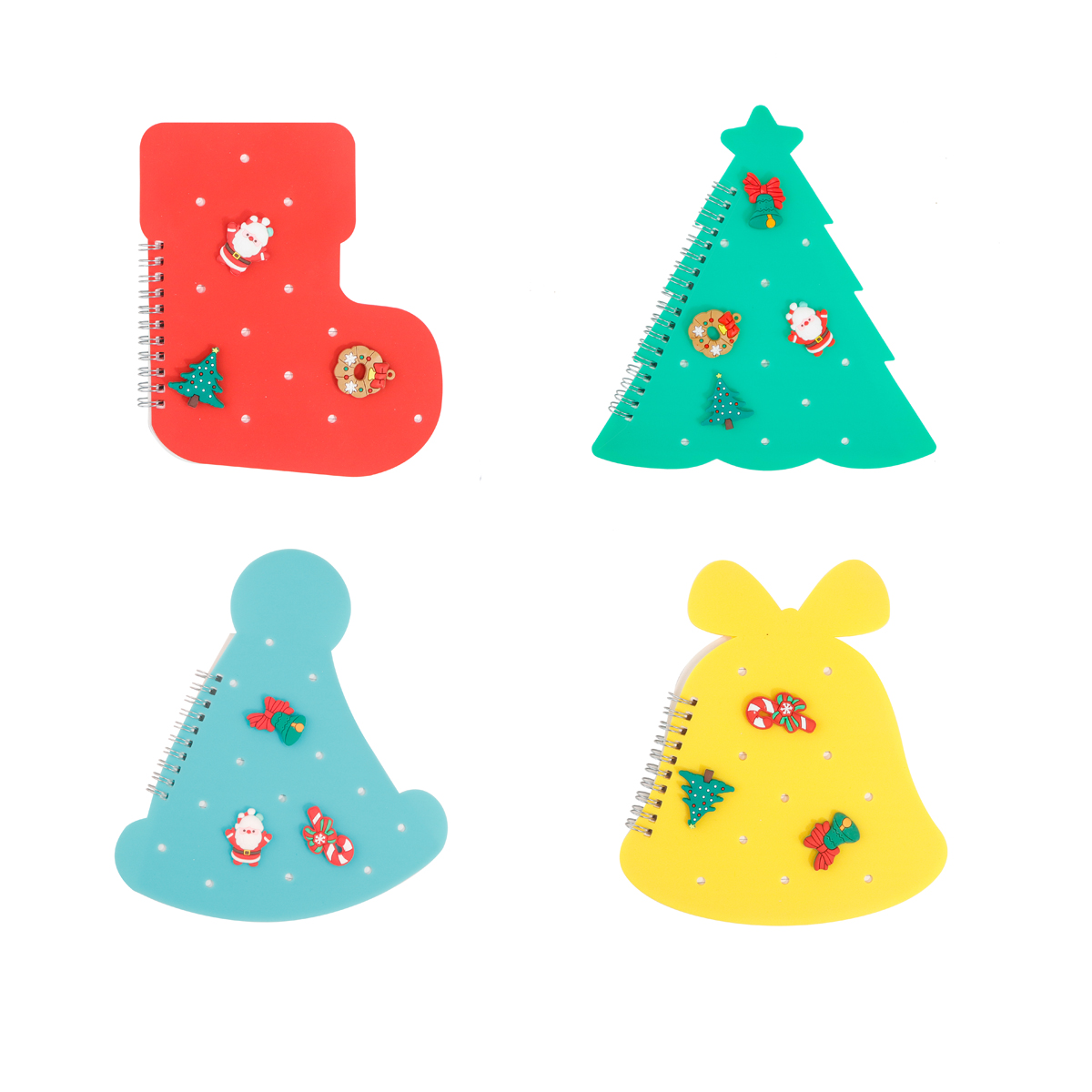
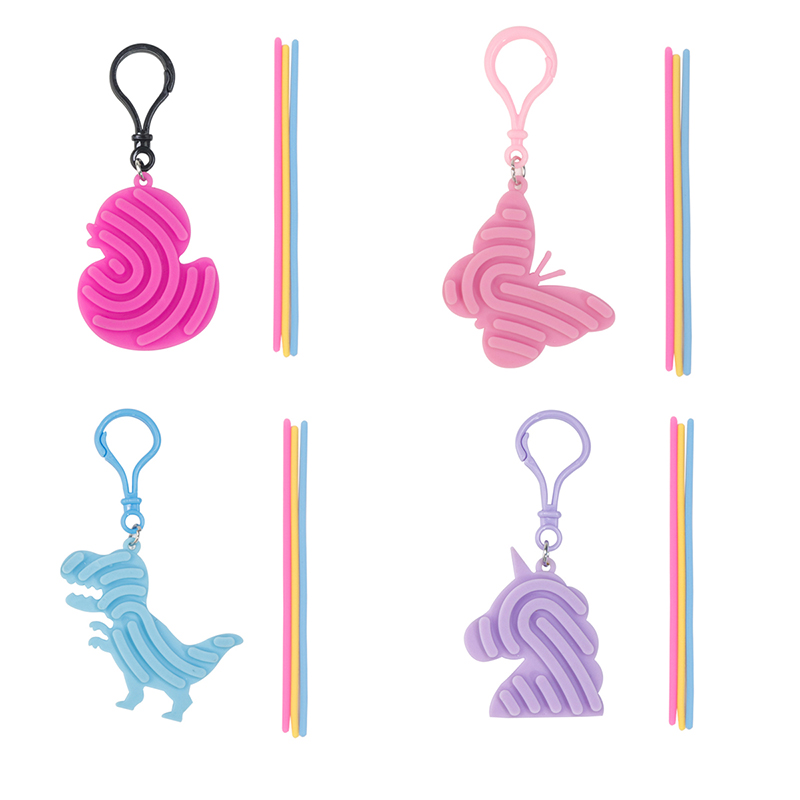
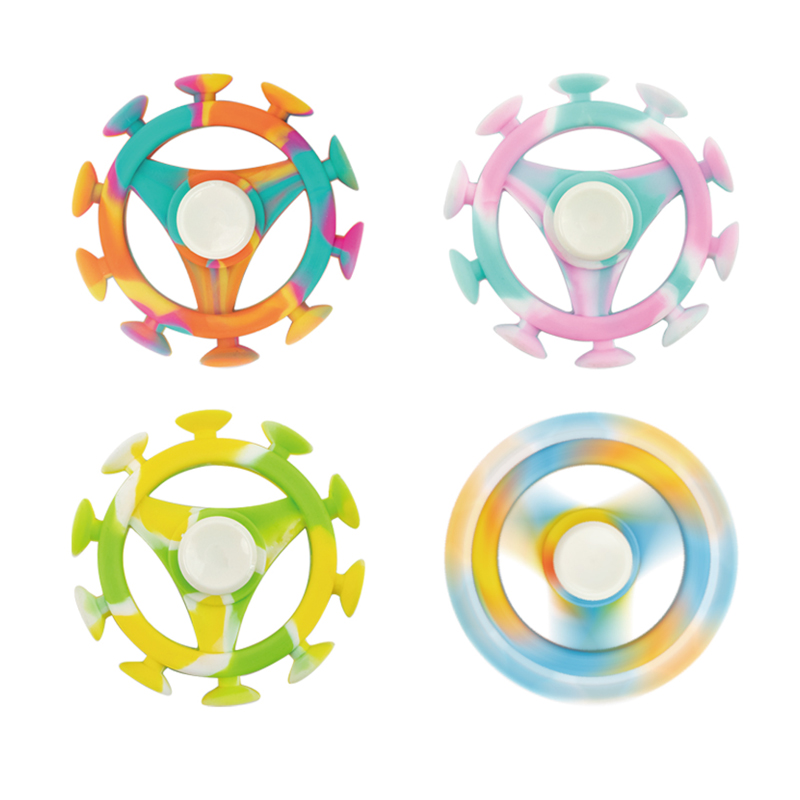
Silicone toys show up more and more these days, not just as random playthings but as things kids actually reach for during the day. The material feels soft, bends easily without snapping, and holds up to a lot of rough handling. Smaller versions or ones shaped for hand play end up getting used in cars, at desks, during homework time, or just when someone needs something to fidget with.
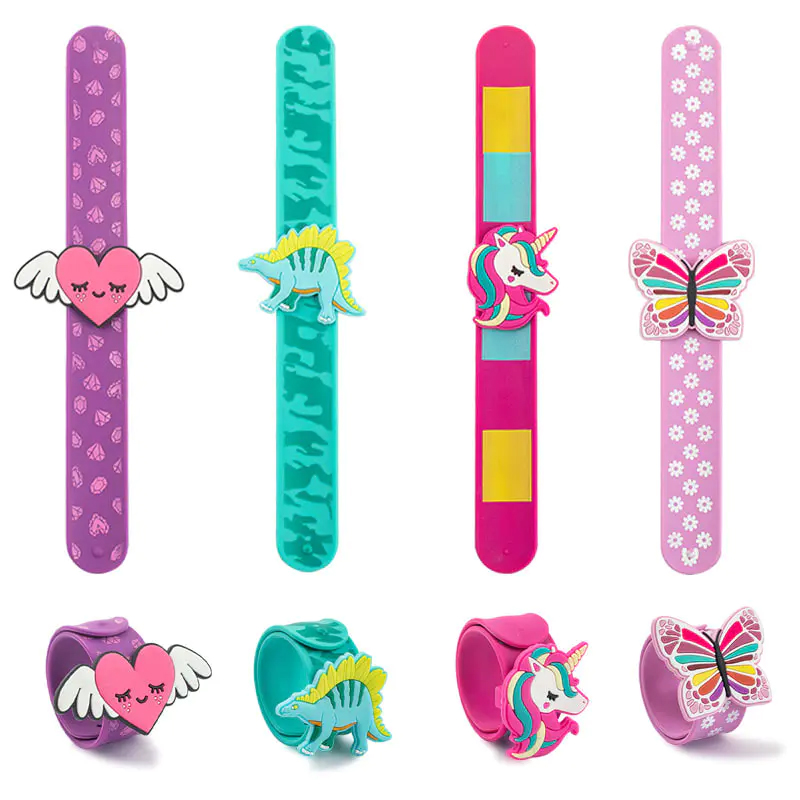
A lot of these fall into what people call Tear-Resistant Silicone Toy. Think of the slap bracelets that kids smack onto their wrists—the silicone stays whole even after hundreds of snaps, bends, twists, or being stepped on by accident. The motion of slapping it down or rolling it back up gives a quick satisfying feel that keeps hands busy without making noise. In a classroom where sitting still for long stretches is tough, that small repetitive action can help burn off extra energy so the kid stays more settled. Same thing at home during reading or screen time; the bracelet just lives on the wrist and gets played with quietly.
Then there are the ones that get labeled Interactive Silicone Toy. These usually have buttons to press, pieces that slide or click, little gears that turn, or bumpy textures to rub. Handheld ones shaped like animals, vehicles, or simple puzzles let fingers explore different movements. Pressing a button might make a soft click or move a small part inside. Sliding a piece back and forth builds a tiny bit of resistance. Running thumbs over raised patterns or squeezing softer sections gives different feedback. All of that keeps hands engaged longer than just holding something still. Kids end up practicing grip strength, finger control, and figuring out cause-and-effect without anyone pointing it out. The play feels natural, but the small skills pile up over time—better coordination for writing, buttoning clothes, or handling small tools later.
For younger ones especially, the squeezing and pressing can calm things down when feelings run high. A quick press or stretch of the silicone gives the hands something predictable to do, which sometimes helps the rest of the body settle too. In a busy house or a classroom full of chatter, having that quiet outlet means less bouncing around or interrupting. Teachers sometimes keep a couple on hand for kids who need a little extra something during group work or story time.
Educational Silicone Toy versions take it a step further by mixing in bits that line up with school-type skills. Some have shapes that fit together like basic puzzles, numbers or letters raised on the surface for tracing with fingers, or color sections that match simple sorting games. Others come with movable parts that encourage counting clicks or matching patterns. The silicone lets designers make everything safe and soft—no sharp edges, no small pieces that break off. Colors stay bright through lots of handling, and the textures add another layer so touching the toy itself becomes part of figuring things out.
One big plus is how safe the material feels across ages. Food-grade silicone doesn't have the same worries as some plastics—no strong chemical smell, no leaching when chewed on by toddlers, easy to wipe down after messy hands. Parents and teachers like that the same toy can move from babyhood grabbing to school-age fiddling without needing to be replaced right away. A slap bracelet might start as something to chew on safely, then turn into a desk fidget years later.
Kids also end up sharing these more than you might think. Two or three friends passing a handheld game back and forth leads to talking about whose turn it is, what move comes next, or how to make the pieces line up. That back-and-forth builds turn-taking and simple problem-solving together. Even quiet parallel play—each kid with their own silicone piece but sitting close—creates a calm shared space where conversation can start naturally.
In settings where attention drifts easily, the small movements help redirect focus without drawing big attention. A kid can press buttons or roll a bracelet under the desk during a long explanation and still hear what's being said. The motion stays contained, doesn't click loudly, doesn't distract the whole row. Over weeks of regular use, that habit of channeling extra energy into something small can make longer sit-down tasks feel more doable.
The soft flexible feel itself adds another layer. Some sections are firmer for pushing against, others squishier for gripping hard. That variety lets the same toy work differently depending on the mood—something to squeeze tight when wound up, something to stroke slowly when winding down. Textures range from smooth to lightly bumpy to ridged, so fingers get different sensations without anything being too rough or irritating.
Shapes vary a lot too. Long thin ones for wrapping around wrists or fingers, round palm-sized ones for holding, flat ones with raised details for tracing, ones with multiple connected pieces that fold or stretch. Sizes go from something that fits in a small hand to bigger ones that take two hands to manipulate. Having a few different styles around means there's usually one that matches whatever the kid needs right then—quick energy burn, slow focus work, or just something to hold during a car ride.
Cleaning stays simple. Warm water and a drop of soap handle sticky fingerprints or lunch crumbs. No special cleaners needed. Air dry on the counter or hang from a hook. They don't hold odors the way fabric or foam can, so even after holding snacks or being in a sweaty pocket, a rinse makes them neutral again. Durability means they don't crack, fade, or lose shape after months of daily use.
Because they last so long, one toy can follow a child through different stages. What starts as a baby teether or early grabber becomes a preschool fidget, then a school desk companion, maybe even something carried in a backpack for long bus rides later. That carry-over reduces how many new things need buying and keeps the drawer from filling with broken or boring toys.
They don't add much weight or bulk, so tossing one or two into a bag doesn't make anything heavier. No batteries much of the time, so no dead-device frustration. Quiet operation fits places where noise isn't welcome—libraries, waiting rooms, testing situations. The give in the material makes them forgiving if dropped or sat on.
A Tear-Resistant Silicone Toy handles endless snapping, bending, stretching without falling apart. An Interactive Silicone Toy keeps fingers moving with buttons, sliders, and textures that invite trying things out. An Educational Silicone Toy sneaks in number shapes, letter tracing, matching patterns, or simple puzzles so play doubles as practice. Put together, these give kids safe, quiet, portable ways to work hands, focus minds, settle bodies, and sometimes connect with friends—all while just messing around with something that feels good to touch.

 EN
EN English
 日本語
日本語 Español