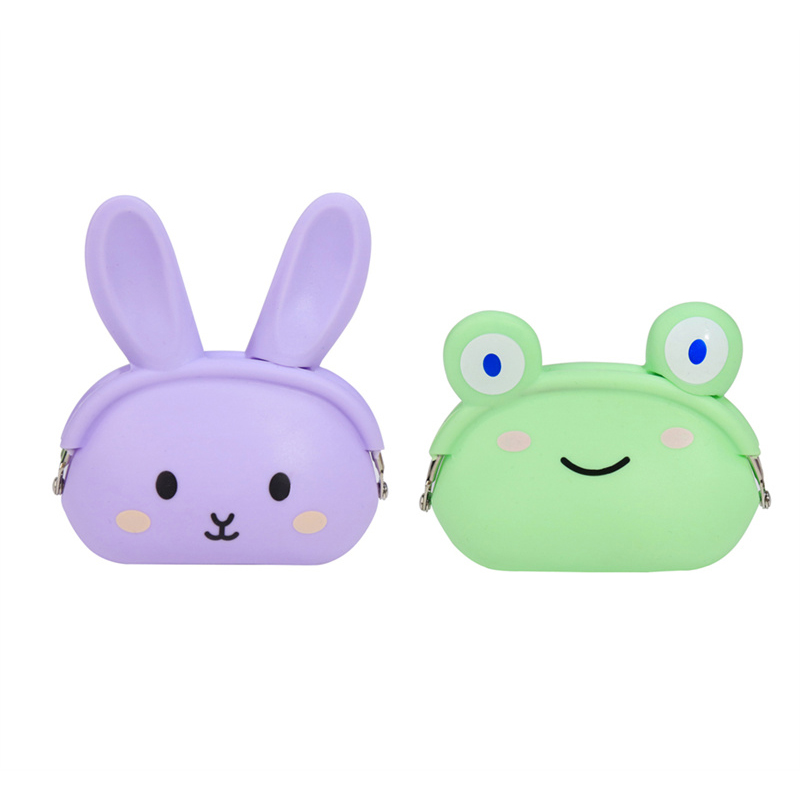
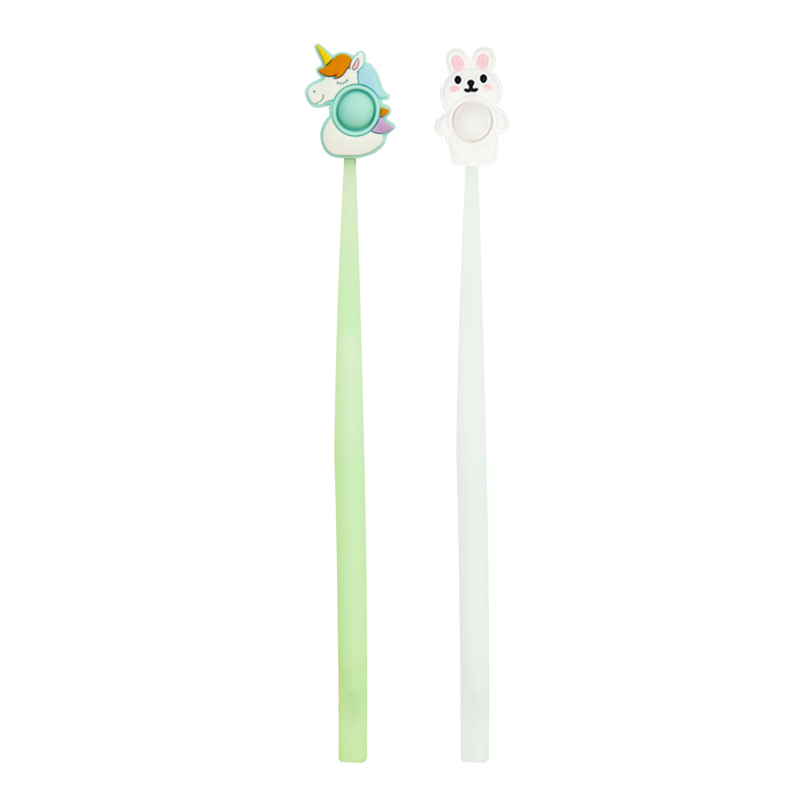
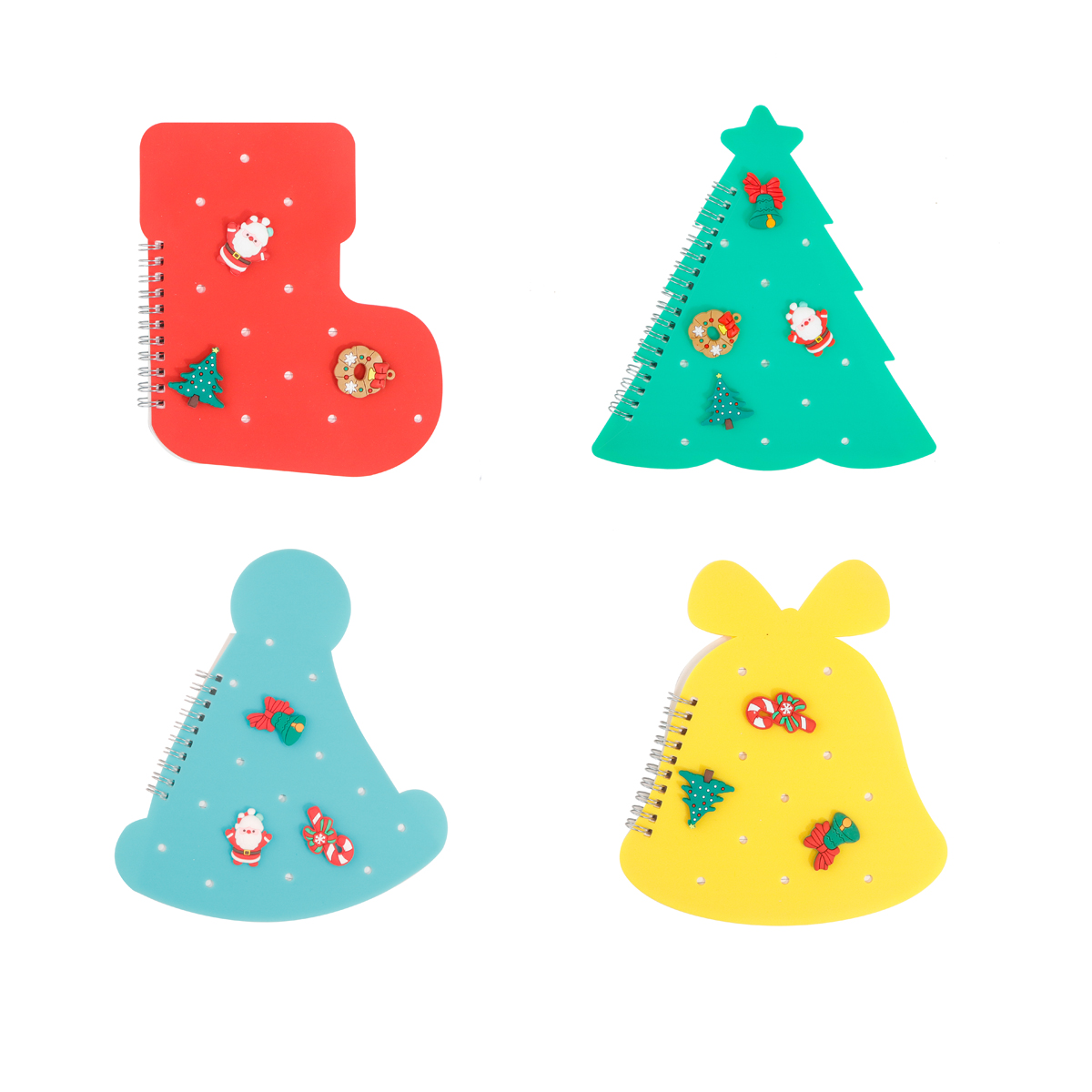
Silicone stationery has become a noticeable trend in classrooms, offices, and creative spaces, offering an alternative to traditional materials like plastic, metal, or wood. These items include pens, pencil cases, erasers, rulers, and various organizational accessories. One of the key attractions of silicone stationery is its flexibility and tactile quality.
The production of silicone stationery allows for a wide range of colors and shapes. Manufacturers can create bright, playful items that add personality to desks and workspaces. Pens may feature silicone grips, enhancing comfort during long writing sessions, while silicone pencil cases can hold multiple items without breaking or losing their shape. The material’s softness provides a satisfying touch that is often preferred in environments where comfort and interaction are important.
Durability is another reason silicone stationery attracts attention. Items made from silicone can withstand pressure, bending, and even accidental drops without damage. Pencil cases and pen holders made of silicone maintain their form after repeated use, making them reliable companions for students and office workers alike. Erasers, rulers, and other smaller items also benefit from the material’s resilience, allowing them to retain functionality over long periods of everyday handling.
Silicone stationery is often lightweight and easy to carry. Pencil cases, for example, can expand or compress to fit backpacks or desk drawers, adapting to the amount of content inside. The flexible design also makes cleaning simple; silicone items can be wiped or rinsed without losing structure, which adds a practical advantage in busy school or office settings. This combination of flexibility, durability, and lightness contributes to a smooth and pleasant user experience.
Silicone stationery offers creative possibilities. Designers can mold the material into unusual shapes, textures, and patterns. This feature allows pens, erasers, or cases to stand out visually and add a playful element to workspaces. Color combinations, tactile details, and whimsical designs provide an extra layer of enjoyment, especially for users who spend hours writing, sketching, or organizing. Even functional items like sticky holders or cable organizers gain personality when made of silicone.
Safety and comfort are other considerations that make silicone stationery appealing. Unlike some plastics, silicone is soft to touch, reducing the risk of scratches or discomfort when handled. Its flexibility ensures that fingers and hands do not experience strain, which can be particularly valuable during extended use. Many teachers and office managers appreciate these qualities because they enhance usability for a variety of people, including children and those who may find rigid stationery less comfortable.
Silicone stationery also interacts well with other desk tools. Pencil holders, pen stands, and desk organizers can integrate silicone components to add elasticity and grip, keeping items from sliding or falling. Some items even combine silicone with magnets, adhesives, or clips to hold notes, pens, or small accessories securely in place. This adaptability allows users to arrange their workspace efficiently while enjoying the tactile benefits of silicone.
Silicone stationery provides a unique combination of durability, flexibility, color, and tactile pleasure. Items made from silicone are resilient, adaptable, and visually appealing, bringing both function and enjoyment to desks and workspaces. Its presence in modern classrooms, creative spaces, and workplaces demonstrates how materials and design can improve routine experiences while adding personality and comfort to daily life.

 EN
EN English
 日本語
日本語 Español