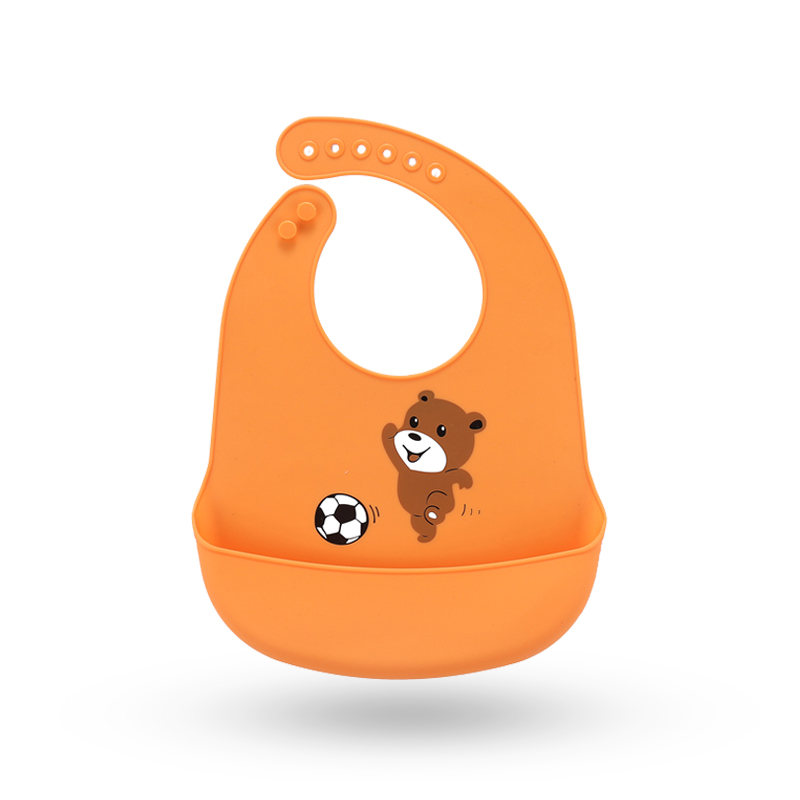
OEM silicone manufacturer operations form a key part of the supply chain for companies that require custom silicone components. These manufacturers work directly with clients to produce parts and products according to specific designs and specifications. The collaboration allows brands in various sectors to bring functional silicone items to market without operating their own production facilities.
Material Properties and Selection
Silicone’s got a lot going for it: it bends, resists heat, and lasts forever. Pretty useful, right? OEM silicone pros can help you dial in exactly how soft or firm you want it. They’ve got everything from “marshmallow-soft gel” to “nice and sturdy” grades. You just tell them what you need.
Color matching forms a regular part of custom orders. Pigments blend into the base silicone to produce exact shades requested by clients. Some projects require translucent or clear silicone, while others need opaque or multi-colored finishes. The manufacturers maintain records of each compound formula to ensure repeatability across future production runs.
Industries Served by OEM Silicone Manufacturers
Silicone pulls double duty in two big industries. For cars, OEMs make seals, gaskets, and vibration-dampening parts—stuff that helps vehicles handle crazy temperature swings and pressure changes without breaking a sweat. And electronics? They love silicone too: keypads, protective covers, and thermal interface materials that have to fit just right and perform like champs.
Consumer product companies turn to OEM silicone manufacturers for kitchen utensils, bakeware handles, and personal care items. Baby product lines include silicone teethers, bottle nipples, and mats manufactured to client designs. Industrial clients request custom O-rings, hoses, and protective sleeves that fit specific machinery.
Custom Design and Prototyping Support
OEM silicone manufacturers typically offer design assistance during the early stages of a project. Engineers review client concepts and suggest adjustments that improve moldability or part function. Prototypes allow testing before committing to full production tooling. This step helps identify potential issues with wall thickness, undercuts, or assembly features.
Tooling development follows prototype approval. Steel molds receive precision machining to capture fine details such as logos, textures, or threaded sections. Multi-cavity molds increase output efficiency for larger orders, while single-cavity tools support smaller runs or highly specialized designs. The manufacturers track each mold’s history to support long-term client relationships.
Quality Control Measures
Throughout production, OEM silicone manufacturers apply inspection procedures at multiple points. Incoming material tests verify compound consistency. In-process checks monitor curing times and temperatures. Finished parts undergo visual examination and functional testing. Measurement tools confirm critical dimensions stay within agreed tolerances.
Packaging and shipping arrangements form the final stage. Parts receive protection suitable for their shape and quantity, with labeling that matches client inventory systems. Documentation accompanies each shipment to provide traceability back to specific production batches.
Production Scale and Flexibility
Facilities handling OEM silicone work manage both small trial orders and larger ongoing contracts. This range allows startups and established companies to use the same manufacturing partner as their volumes grow. Dedicated production cells sometimes operate for high-volume clients, while shared lines handle a variety of smaller projects.
Factory workers get trained on how to handle silicone, run the molds, and follow safety rules that are unique to this material. Meanwhile, the tech folks keep their skills sharp—they stay on top of the latest processing tricks so production stays efficient no matter what kind of project rolls in.
Role in Product Development
Many companies rely on OEM silicone manufacturers to turn ideas into physical products. The manufacturers’ experience with silicone behavior during molding helps reduce development time and material waste. Clients focus on marketing and distribution while the manufacturer handles the technical production details.
From medical devices to household goods, OEM silicone components appear in items used daily. The manufacturers’ ability to adapt processes to different requirements supports a steady flow of silicone parts across supply chains. Their operations connect design concepts with functional products that meet the needs of end users in multiple markets.

 EN
EN English
 日本語
日本語 Español