A Category That Covers More Than One Use
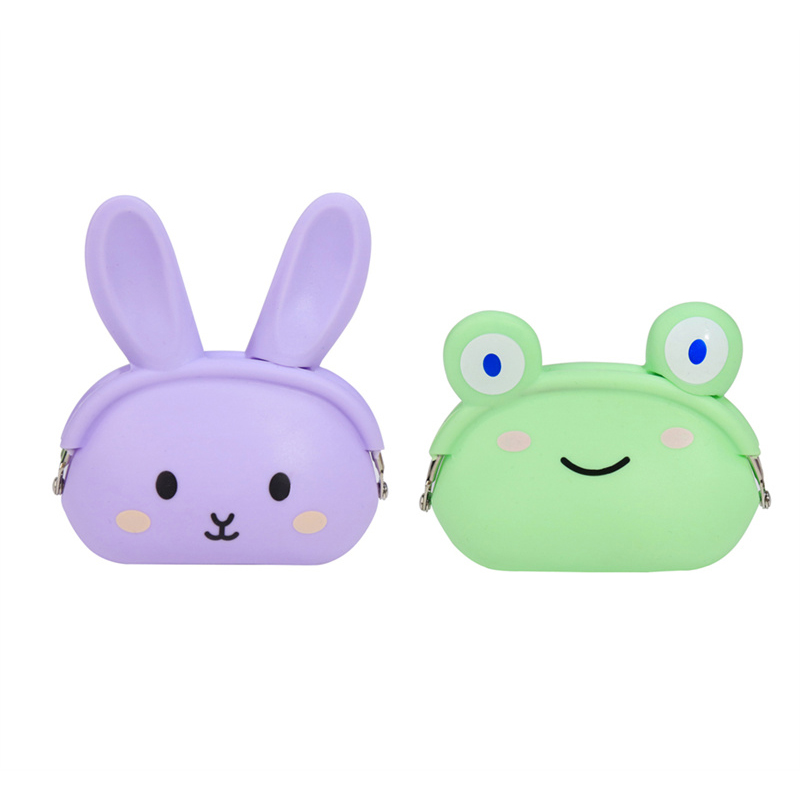
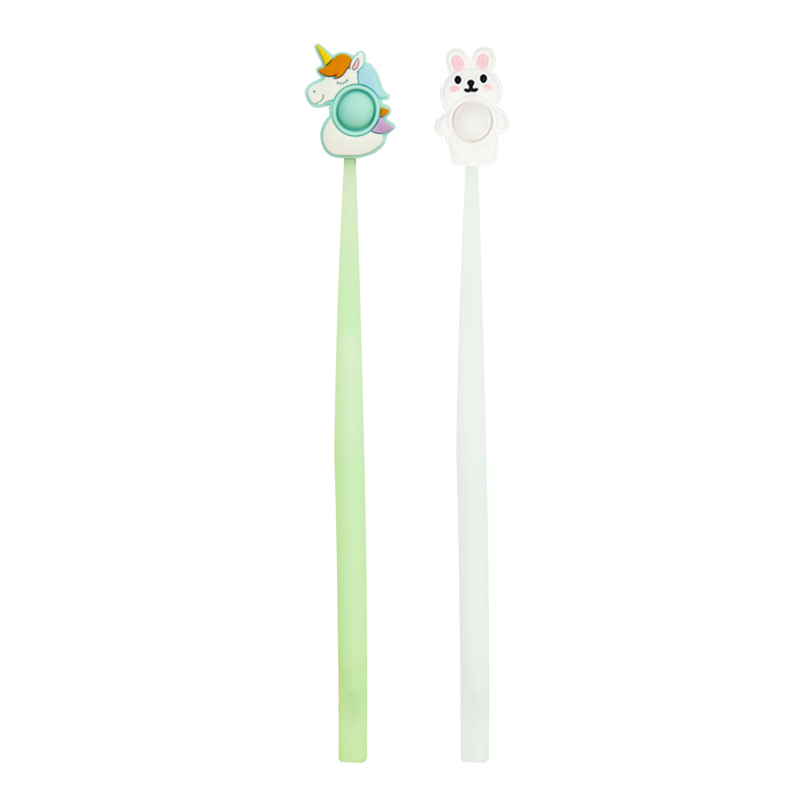
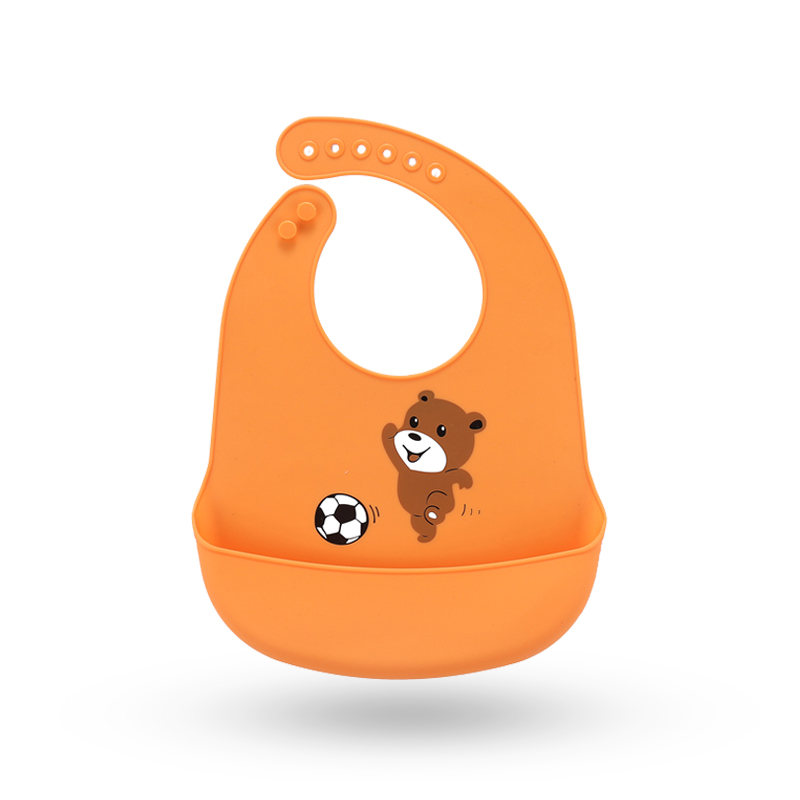
Silicone craft supplies aren't a single product so much as a family of related items grouped by material rather than function. Resin casting molds make up a large share of orders, used by hobbyists and small businesses producing coasters, jewelry, and decorative trays. Alongside those sit silicone baking mats, ice molds shaped for novelty use, and flexible push molds used in polymer clay and soap-making projects. Retail buyers sourcing for craft store shelves often place mixed orders that combine several of these subcategories into one shipment.
Common product types that fall under this label include:
- Resin casting molds for jewelry, coasters, and small decorative objects
- Silicone baking and candy molds sized for both home and small-batch commercial use
- Push molds and texture sheets used in clay, soap, and wax crafting
- Keychain and phone case blanks designed for glitter or resin fill-in projects
Because the category spans so many end uses, factories producing silicone craft supplies typically maintain a catalog with dozens of mold shapes rather than a narrow product line, and buyers often request customized shapes tied to seasonal retail themes.
Material Grade Affects Order Decisions
Not all silicone used in craft supplies is graded the same way, and that distinction matters more to wholesale buyers than casual shoppers might expect. Food-grade silicone is required for baking-related items and anything meant to touch consumable products, while general-purpose silicone works fine for resin and decorative molds that never contact food. Buyers placing orders for silicone craft supplies intended for baking retailers usually request documentation confirming the grade before finalizing a purchase order, since a mismatch between intended use and material grade can create returns further down the supply chain.
Flexibility and tear resistance are two other properties that come up in buyer conversations. A mold that's too rigid can crack during demolding, while one that's too soft loses shape after repeated use. Factories producing silicone craft supplies tend to test batches for these properties before shipping bulk orders, particularly for molds with intricate detail work like jewelry settings or textured surfaces.
Sourcing Patterns Among Wholesale Buyers
Retailers and distributors sourcing silicone craft supplies tend to fall into a few recognizable patterns depending on their sales channel. Craft store chains often order broad assortments covering multiple project types, aiming to stock shelves that appeal to different hobbyist interests at once. Online sellers focused on a narrower niche, such as resin jewelry, tend to order deeper quantities of fewer mold shapes, prioritizing variety within one category rather than breadth across several.
A few sourcing considerations show up repeatedly among buyers evaluating potential suppliers:
- Whether custom mold shapes can be produced from a buyer's own design or reference image
- Minimum order quantities for mixed-shape assortments versus single-shape bulk runs
- Turnaround time between design approval and finished sample production
- Packaging options, since retail-ready packaging differs from bulk shipping packaging
These considerations shape which suppliers a buyer returns to for repeat orders, especially when seasonal timing is tight and a retailer needs new mold shapes on shelves ahead of a holiday selling window.
Custom Shapes and Seasonal Demand
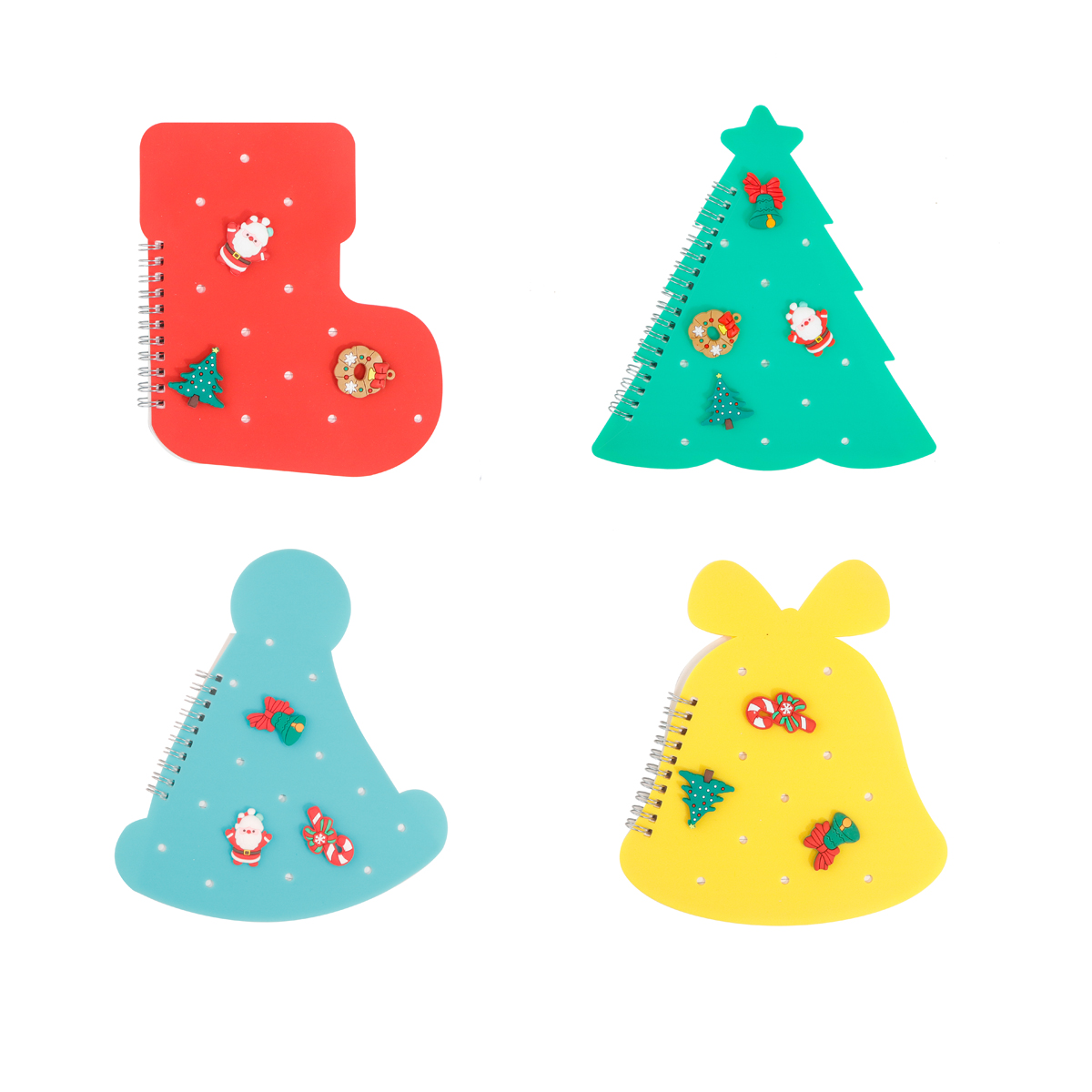
Seasonal retail cycles have a noticeable effect on which silicone craft supplies see the order activity at any given time. Holiday-themed molds, novelty ice cube shapes, and seasonal keychain blanks tend to see order spikes tied to specific times of year, prompting some factories to build seasonal capacity into their production schedule well ahead of peak ordering windows. Buyers working on private-label lines often submit custom shape requests months in advance to account for design approval, sample rounds, and full production time.
Because customization plays such a large role in this category, factories producing silicone craft supplies frequently work directly with a buyer's design team rather than offering only a fixed catalog. That collaborative process, more than any single product feature, is often what separates a one-time order from an ongoing wholesale relationship.

 EN
EN English
 日本語
日本語 Español