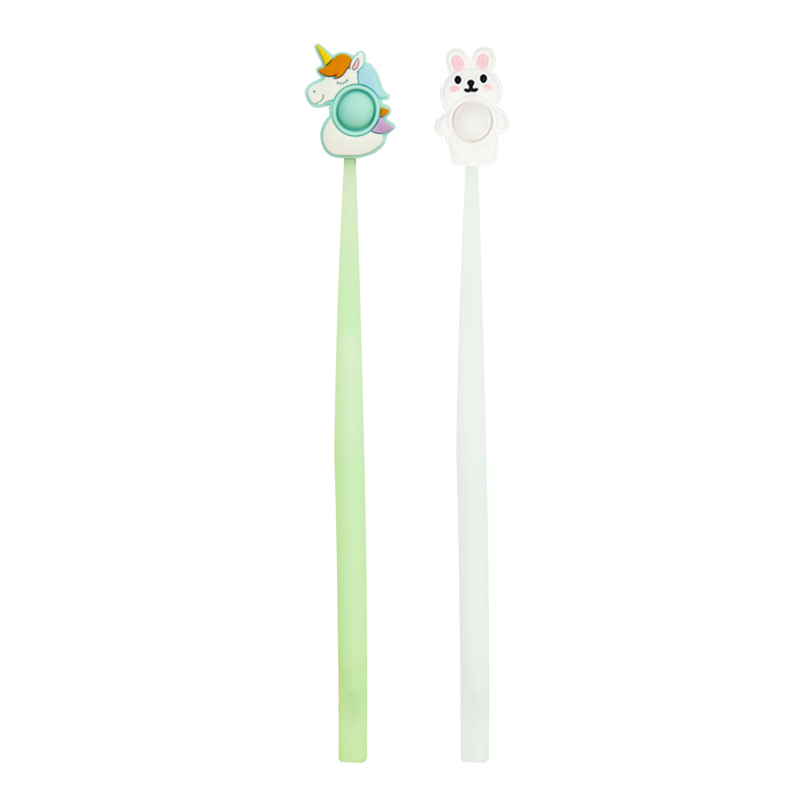
Why Material Feel Changes Everything
The tactile quality of a silicone toy is often the thing people notice. Unlike rigid plastic, silicone has a slight give to it, bending and flexing under light pressure before returning to its original shape. This softness makes silicone particularly common in products meant for younger children, where a squeezable or chewable texture adds to the play experience rather than just the visual design.
Temperature response is another factor that sets silicone apart. It tends to stay closer to room temperature and doesn't feel as cold or hard to the touch compared to certain plastics, which matters for toys that end up in a child's mouth or pressed against skin during play.
How Silicone Toys Get Made
Producing a silicone toy typically starts with liquid silicone rubber, which gets poured or injected into a mold under controlled heat and pressure. This process, often called liquid silicone injection molding, allows for detailed shapes and consistent wall thickness across a production run. Once cured, the silicone solidifies into its final flexible form and gets released from the mold.
A few steps commonly appear across silicone toy production:
- Mixing and preparing the liquid silicone compound to the correct viscosity
- Injecting the material into a heated mold cavity under pressure
- Curing the silicone at a set temperature until it solidifies into shape
- Trimming excess material and inspecting the finished piece for consistency
Because silicone cures differently than plastic, mold design for a silicone toy often accounts for shrinkage and flexibility in ways that rigid plastic molds don't need to consider.
Common Types Of Silicone Toys
This category covers more ground than people might initially assume. Beyond simple teething rings, silicone shows up across a wide range of toy types aimed at different ages and purposes. Frequently seen examples include:
- Bath toys shaped like animals or sea creatures that squeeze and squirt water
- Sensory mats and pull-toys designed for tactile exploration
- Building blocks with a softer, bendable edge compared to hard plastic versions
- Stacking cups or rings that combine bright colors with a flexible feel
Each of these product types relies on silicone's flexibility differently, whether that's allowing water to be squeezed out of a bath toy or letting a stacking piece bend slightly without cracking.
Color And Finish Considerations
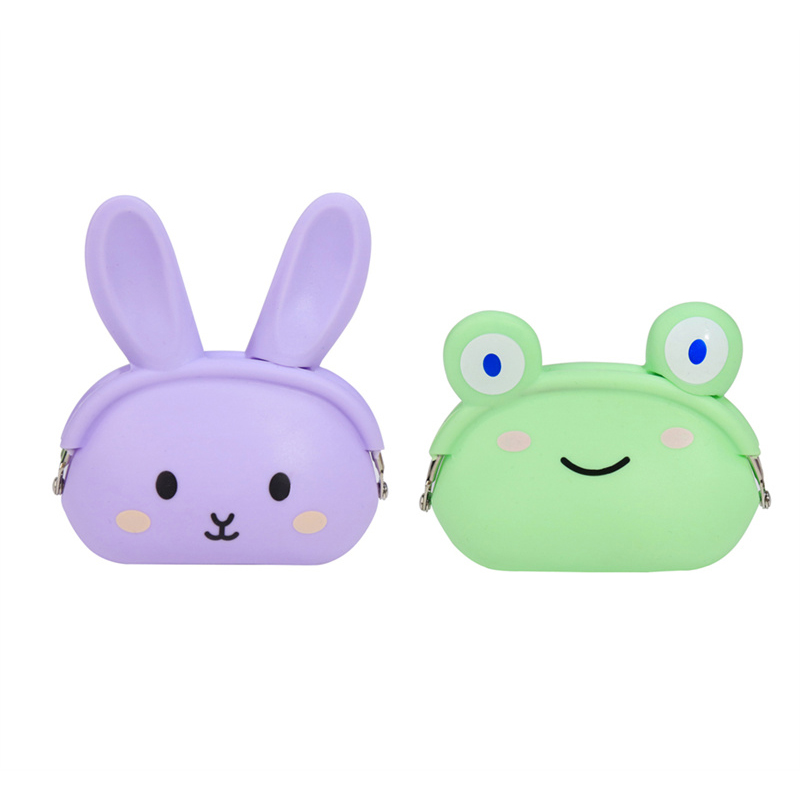
Silicone accepts pigment differently than plastic does, which affects how manufacturers approach color selection for a silicone toy. Because the material itself has a slightly translucent, matte quality before coloring, pigments tend to produce softer, more muted tones compared to the glossy brightness typical of hard plastic toys. This has led many designers to lean into pastel palettes or nature-inspired colors that suit silicone's natural finish.
Surface texture also plays into the design process. Some silicone toys include raised bumps or ridges intentionally molded into the surface, adding a sensory element that encourages touch and exploration, particularly in toys aimed at infants and toddlers.
Balancing Softness With Durability
One challenge in producing a silicone toy involves finding the right balance between flexibility and structural integrity. A toy that's too soft might lose its shape too easily or fail to hold up under repeated squeezing, while a formulation that's too firm defeats the purpose of choosing silicone in the place. Manufacturers typically test different silicone hardness levels, measured on a durometer scale, to land on a formulation that stays flexible without feeling flimsy.
This balancing act extends to wall thickness as well. Thicker silicone sections tend to feel sturdier but lose some of the squeeze-and-bounce quality that makes these toys appealing, so designers often adjust thickness across different parts of a single toy depending on which areas need more flexibility.

 EN
EN English
 日本語
日本語 Español