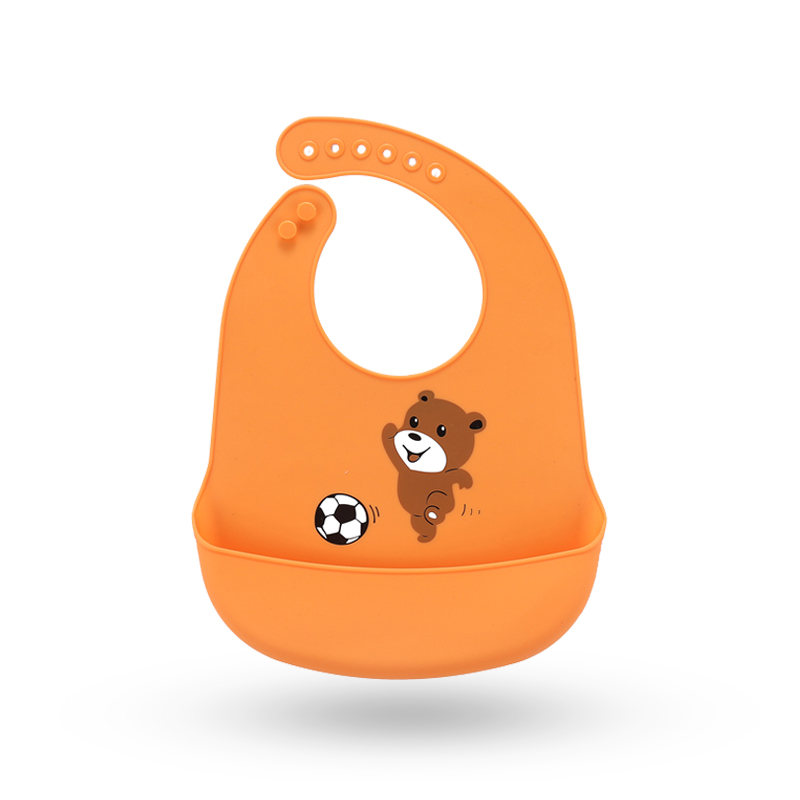
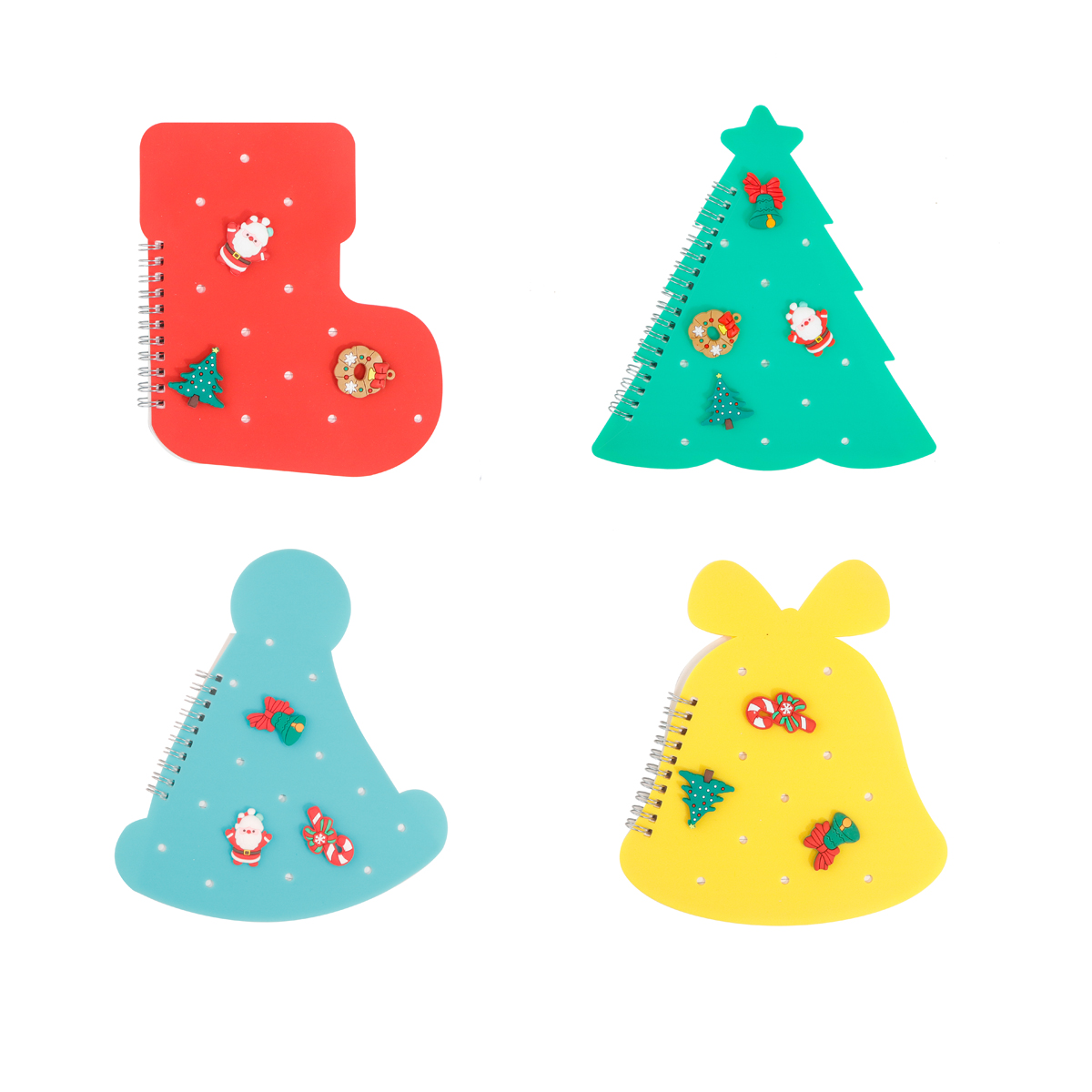
Silicone products appear in kitchens, workshops, medical settings, electronics, automotive applications, and many everyday products. Behind these items is a production process that combines material selection, mold design, forming technology, finishing, and inspection. A Silicone Product Factory plays an important role in turning silicone materials into practical components with different shapes, textures, colors, and functions.
Material Selection Shapes Product Performance
Silicone is known for its flexible structure and ability to handle different working conditions. A factory begins by selecting a silicone material that matches the intended product. Different formulations can provide variations in softness, hardness, elasticity, surface feel, and temperature resistance.
For product manufacturers, material selection can influence the appearance and handling of the finished item. A soft silicone part may suit grips or flexible covers, while a firmer formulation can be used for seals, buttons, kitchen tools, and structural components.
Color is another important part of product development. Silicone compounds can be prepared in different shades, allowing manufacturers to create products that match brand styles, packaging themes, or application requirements.
Mold Design Controls Product Shape
Mold design is a central part of silicone manufacturing. Before production begins, engineers create a mold based on the required dimensions and product structure. The mold may contain single or multiple cavities, depending on the production arrangement.
Small details can make a noticeable difference. Thin sections, holes, textured surfaces, logos, edges, and connection points all need to be considered during mold development. A well-planned mold can also help create consistent shapes across repeated production cycles.
Computer-aided design tools are commonly used to develop product drawings and mold structures. Digital models allow engineers to examine dimensions and identify potential production difficulties before the mold enters manufacturing.
Compression Molding and Other Methods
Silicone products can be produced using several forming methods. Compression molding is widely used for components that require a defined shape and stable dimensions. Silicone material is placed into a mold, and heat and pressure help form the product.
Liquid silicone rubber molding is another production method. Liquid material can flow into detailed mold cavities and is suitable for products that require fine structures or soft-touch characteristics.
The choice of production method depends on product geometry, material type, cavity design, production quantity, and dimensional requirements. Each method creates different possibilities for product design and manufacturing efficiency.
Surface Details Add Product Character
A silicone product does not have to be visually simple. Factories can produce smooth surfaces, textured patterns, raised logos, recessed marks, and different edge structures. These details can influence how a product looks and feels in the hand.
Color matching and surface treatment can also support customized product designs. For consumer goods, appearance can be an important purchasing factor. For industrial components, surface texture may also support grip, positioning, or sealing functions.
Customized shapes are another common requirement. Buyers may provide drawings, samples, dimensions, or application details for a factory to develop a silicone component around a specific product concept.
Custom Orders and B2B Manufacturing
A Silicone Product Factory often works with wholesalers, distributors, product developers, and manufacturers that need customized components. Orders may involve private-label products, custom shapes, company logos, special colors, or different packaging requirements.
Communication is important during this stage. Drawings, sample confirmation, material requirements, dimensions, and packaging details help reduce misunderstandings before mass production starts.
For international buyers, factories may also coordinate production quantities, packaging arrangements, shipping documentation, and delivery schedules according to the order structure.

 EN
EN English
 日本語
日本語 Español